TL;DR

Get cleaning gear delivered free — and shop member deals
- Fast, free delivery on millions of items
- Access to Prime Big Deal Days deals on October 6–7
- Prime Video, Amazon Music and more included
Water leaks in steam mops are often caused by overfilling, worn seals, or damage to the tank. Proper maintenance and correct usage can prevent most leaks and keep your floors clean and safe.
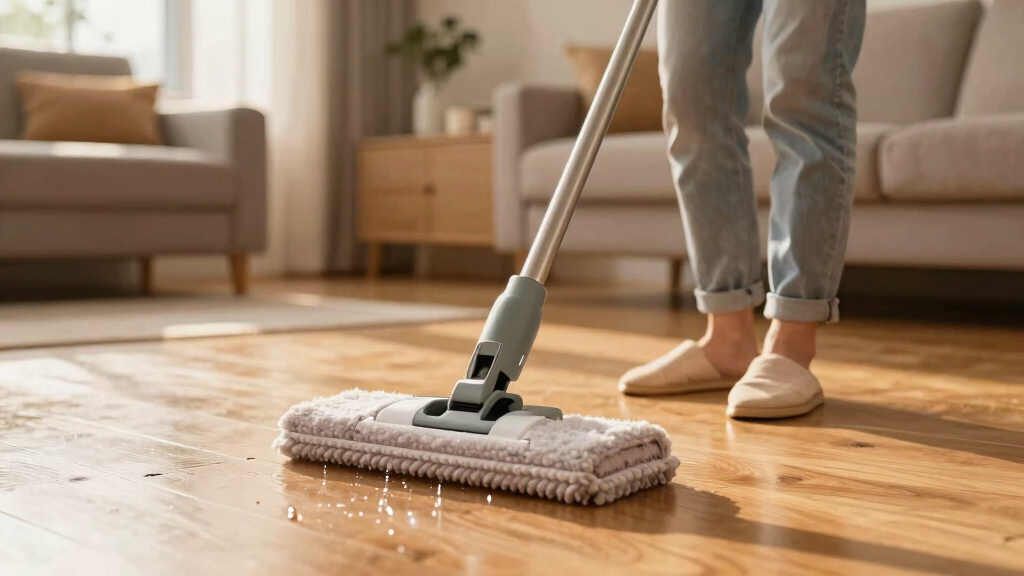
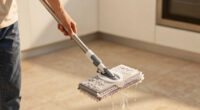
Nothing kills the mood like a steam mop that leaks water all over your floor. You’re ready for a quick clean, but instead, you end up with puddles and frustration. The good news? Most leaks come down to simple issues—worn seals, overfilling, or clogged vents. Understanding what causes these leaks lets you fix them fast and prevent future mishaps.
In this guide, you’ll learn the most common reasons your steam mop drips water, how to troubleshoot them, and some easy tips to keep your appliance working smoothly. Let’s get your floors spotless without the mess.
Overfilling is the leading cause of steam mop leaks; always fill to the recommended level.
Worn or damaged seals and gaskets are common culprits—regular inspection and replacement prevent leaks.
Using distilled water reduces mineral buildup, which can clog vents and cause leaks.
Modern steam mops incorporate safety features like automatic shut-offs to minimize leak risks.
Routine maintenance, including descaling and checking connections, keeps leaks at bay.
How Does a Steam Mop Use Water Without Flooding Your Floor?
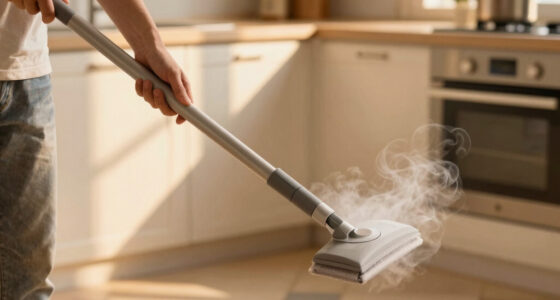
Steam mops heat water to produce a fine, controlled burst of steam that cleans and sanitizes your floors. The water is stored in a reservoir, then released through a steam head when you press the trigger. Modern models use a combination of sealed tanks and adjustable vents to control water flow, keeping leaks at bay during normal use.
If you notice water pooling, it’s a sign something’s off. Usually, the issue stems from mechanical parts or improper filling. Knowing how it’s supposed to work helps you spot trouble early.
As an affiliate, we earn on qualifying purchases.
Why Is My Steam Mop Leaking Water Even When I Haven’t Overfilled It?
Even without overfilling, leaks happen because of wear and tear on internal components. Seals and gaskets are designed to maintain a tight seal under pressure, but over time, exposure to heat, pressure cycles, and mineral deposits can cause them to degrade. When these tiny parts fail, water can escape through tiny gaps, leading to leaks. This makes maintenance crucial because even a small crack in a gasket can result in significant water loss, reducing the efficiency of your steam mop and potentially damaging the device.
Similarly, damage to the water tank—such as hairline cracks—can silently cause leaks, especially when the tank is pressurized during operation. Recognizing these subtle signs is important because ignoring them can lead to larger failures, costly repairs, or even safety hazards. Mineral buildup from hard water can also clog internal vents and valves, causing pressure to build up and forcing water out through unintended openings. Therefore, regular inspection and using distilled water are essential preventive measures to extend your device’s lifespan and ensure safe, leak-free operation.
As an affiliate, we earn on qualifying purchases.
What Are the Most Common Parts That Fail and Lead to Leaks?
| Part | Role | How It Fails |
|---|---|---|
| Seals and Gaskets | Prevent water from escaping at joints and openings | Wear out, crack, or become brittle over time, especially with repeated heating cycles, leading to small gaps that allow water to escape. This failure compromises the integrity of the seal, resulting in leaks that can worsen if not addressed promptly. |
| Water Tank | Stores heated water | Cracks or physical damage from drops, impacts, or manufacturing defects can create pathways for water to leak during operation. Even minor cracks can expand over time, especially under pressure, making early detection and repair vital to avoid larger damage and potential safety hazards. |
| Hoses and Fittings | Transport water from tank to steam head | Loose connections, cracks, or broken fittings can cause leaks. Over time, repeated assembly and disassembly may loosen fittings, or wear can cause cracks that allow water to escape, reducing efficiency and increasing mess. |
| Steam Vents and Valves | Control steam release | Clogging from mineral deposits or malfunctioning valves can lead to pressure buildup. Excess pressure may force water out through weak points or seals, making regular cleaning and maintenance essential for safe operation. |
Regular inspection of these parts isn’t just about catching problems early; it’s about understanding that each component’s failure can cascade into larger issues. Replacing worn seals, tightening fittings, and cleaning internal parts not only prevent leaks but also maintain the overall performance and safety of your steam mop. Investing time in these preventive measures can save you money and hassle in the long run.
best distilled water for steam mop
As an affiliate, we earn on qualifying purchases.
As an affiliate, we earn on qualifying purchases.
How Modern Steam Mops Are Designed to Prevent Leaks
Newer models feature better sealing technology, durable materials, and safety features to minimize leaks. Many include automatic shut-off if the water tank is overfilled or if a leak is detected. Some models even have self-cleaning functions that reduce mineral buildup, a common source of blockages and leaks.
Wireless or cordless designs reduce the number of mechanical connections, decreasing leak points. These innovations make maintenance easier and improve safety.
For example, a recent model might have a high-grade silicone gasket that withstands hundreds of heat cycles without cracking. These improvements mean fewer leaks and longer-lasting performance.
As an affiliate, we earn on qualifying purchases.
Simple Steps to Prevent and Troubleshoot Water Leaks
- Check and replace worn seals and gaskets annually or as needed.
- Avoid overfilling—fill only to the max line specified by the manufacturer.
- Use distilled or demineralized water to prevent mineral buildup that blocks vents and valves.
- Inspect hoses and connections regularly for cracks or looseness.
- Follow your model’s maintenance instructions, including descaling when necessary.
If water leaks persist, empty the tank, disconnect the hose, and carefully examine the seals and tank for cracks. Replacing a damaged gasket or sealing a tiny crack often solves the problem without professional help. Remember, addressing these issues early prevents larger failures and extends the life of your steam mop.
Always test in a hidden spot after repairs to ensure the leak is fixed before regular use.
Frequently Asked Questions
Why is my steam mop leaking water even when I haven’t overfilled it?
Leaks can happen if seals or gaskets are worn or cracked, or if the water tank has damage. Mineral buildup can also clog vents, causing water to leak out. Regular inspection and using distilled water help prevent this.How can I fix a leak in my steam mop?
Start by unplugging and emptying the tank. Check seals, gaskets, and hoses for cracks or looseness. Replacing worn seals or tightening fittings often solves the problem. Always test in a hidden spot after repairs.Are certain brands or models more prone to leaking?
Some budget models may use cheaper materials that wear faster, increasing leak risk. Look for models with quality seals and safety features—these tend to leak less and last longer.How often should I replace seals or other parts to prevent leaks?
Inspect seals and gaskets annually. Replace them if they show signs of cracking, brittleness, or wear. Regular maintenance can extend your steam mop’s lifespan and keep it leak-free.Can I use my steam mop if it’s leaking? Is it safe?
It’s best to unplug the device and avoid using it until the leak is fixed. Leaking water can cause damage or electrical hazards. Proper repairs ensure safe and effective operation.Conclusion
When your steam mop leaks, it’s usually a sign that a tiny part needs attention. A quick inspection of seals, tanks, and hoses can save you from bigger headaches and costly replacements. Keep your mop in top shape, and your floors will thank you—clean, dry, and safe.
Remember, a little preventive care goes a long way. Think of your steam mop as a trusted tool—treat it well, and it’ll keep your floors shining without the mess.
Fall Picks
fall essentials
As an affiliate, we earn on qualifying purchases.