TL;DR

Get cleaning gear delivered free — and shop member deals
- Fast, free delivery on millions of items
- Access to Prime Big Deal Days deals on October 6–7
- Prime Video, Amazon Music and more included
Descaling a Shark steam mop involves flushing mineral deposits with vinegar or descaling solutions to keep it functioning smoothly. Regular maintenance prevents clogs, maintains cleaning power, and extends the life of your device.
Your Shark steam mop is a hardworking cleaning partner, but mineral deposits from hard water can clog its tiny steam channels over time. When that happens, steam slows down, and cleaning suffers. Descaling isn’t complicated, but it’s often overlooked—until performance drops. This guide walks you through the simple steps to keep your mop in top shape, using common household items and a little know-how.
By understanding the importance of regular descaling and following a clear process, you’ll extend your mop’s lifespan, avoid costly repairs, and enjoy spotless floors without streaks or weak steam. Ready to get your steam mop back to peak performance? Let’s dive into how to descale it safely and effectively.
Descaling with vinegar is safe, inexpensive, and highly effective when done correctly.
Perform descaling every 3–6 months, depending on your water hardness and usage.
Always rinse thoroughly after descaling to prevent chemical or mineral residue damage.
Use distilled or demineralized water to reduce mineral buildup and extend your mop’s life.
Regular maintenance, including descaling, keeps your Shark steam mop working at peak efficiency.
Why Descaling Matters More Than You Think
Mineral deposits from hard water are the sneaky enemy of your steam mop. Over time, calcium and magnesium cling to tiny internal passages, choking off steam flow. This isn’t just a minor inconvenience—these deposits can significantly reduce your mop’s cleaning efficiency, leading to longer cleaning times and more frustration. If not addressed, they may also cause internal corrosion or damage, shortening the lifespan of your device. Understanding why these deposits matter helps you prioritize regular maintenance, preventing costly repairs and ensuring your mop performs at its best. Think of descaling as a health check-up for your appliance—catching issues early keeps everything running smoothly and saves money in the long run.
Imagine trying to blow through a straw clogged with sand—frustrating, right? Regular descaling clears out those deposits, restoring full steam pressure and ensuring your cleaning power remains strong. Neglecting this can lead to a gradual decline in performance, where your mop seems less effective, and you might even need to replace it prematurely. So, the tradeoff is simple: investing a little time into descaling now prevents bigger headaches later, maintaining your device’s efficiency and prolonging its useful life.
According to an anonymous researcher in home appliance maintenance, mineral buildup can decrease steam output by up to 50% after just a few months of use in hard water areas. That’s a huge drop in efficiency that only descaling can fix, highlighting the importance of regular upkeep to keep your cleaning routine effective.
As an affiliate, we earn on qualifying purchases.
How Often Should You Descale Your Shark Steam Mop?
If your water is soft, descaling every 6 months might suffice. In areas with hard water—think high calcium levels—you’ll want to do it every 3 months. A good rule of thumb: if you notice less steam or longer drying times, it’s time to act. Regularly scheduling descaling based on your water hardness can prevent unexpected performance drops, saving you time and effort in the long run.
For example, in a city like Austin, TX, where water hardness can reach 180 mg/L, monthly descaling helps keep the mop running smoothly. In contrast, in a softer water region, twice a year might be enough. The key is observing your device’s performance and adjusting accordingly. If you ignore these signs, mineral buildup can become severe, leading to internal blockages that are more difficult and costly to repair. Regular descaling acts as a proactive measure—like routine health check-ups—that maintains your mop’s efficiency and extends its lifespan.
Look for signs like reduced steam output, strange noises, or a burning smell—these are clues your internal parts are clogged and need attention. Addressing these issues promptly can prevent more significant damage and keep your cleaning routine effective.
As an affiliate, we earn on qualifying purchases.
Step-by-Step Guide to Descaling Your Shark Steam Mop
- Turn off and unplug the steam mop. Safety first—no electrical parts should be hot or powered during cleaning.
- Empty the water tank completely. Remove any leftover water to prevent spills.
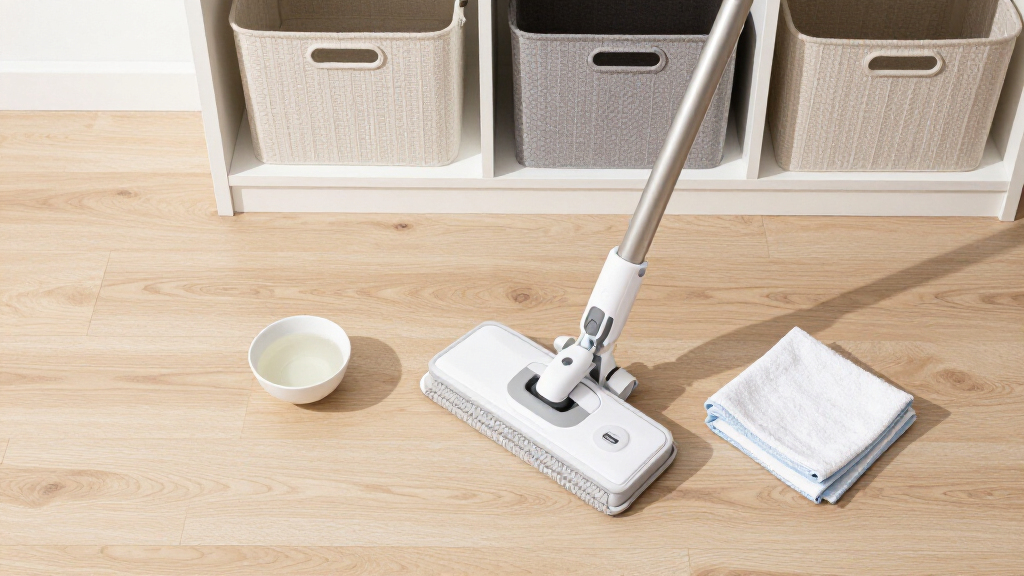
- Prepare your descaling solution. Mix equal parts white vinegar and distilled water for a safe, effective mix.
- Fill the tank with this mixture. Use a funnel if needed to avoid spills.
- Turn on the mop and let it run until the solution is expelled. This usually takes 5–10 minutes and helps break down mineral buildup. This process is crucial because running the solution through the internal channels flushes out deposits that can cause blockages, restoring optimal steam flow.
- Empty and rinse the tank. Fill with clean, distilled water and run again to flush out any vinegar residues. Rinsing thoroughly ensures no vinegar remains, which could corrode internal parts or leave odors that diminish performance.
- Wipe down exterior surfaces with a damp cloth and dry thoroughly.
Pro tip: Always check your user manual for model-specific instructions. Some newer models have built-in self-cleaning features—use those if available. Understanding your specific model’s features can make descaling more effective and safer, preventing user error and potential damage.
As an affiliate, we earn on qualifying purchases.
Choosing the Right Descaling Solution: Vinegar vs. Commercial Products
| Feature | White Vinegar | Commercial Descaling Solutions |
|---|---|---|
| Effectiveness | Highly effective at mineral removal | Designed specifically, often more potent |
| Safety | Safe when used properly, rinse thoroughly | Follow manufacturer instructions, generally safe |
| Cost | Very inexpensive | More expensive, but often faster |
| Scent | Vinegar smell, fades quickly | Varies by brand, usually neutral |
For most home users, white vinegar hits the sweet spot—cheap, effective, and safe. However, some models or heavily mineralized water may require stronger solutions. Commercial descaling products are formulated to be more concentrated and may work faster or more thoroughly on stubborn deposits. The tradeoff is cost and potential chemical exposure, so weigh these factors based on your comfort level and the severity of your mineral buildup. Always follow the manufacturer’s instructions when using commercial products to avoid damage. Rinsing thoroughly after any descaling process remains essential to prevent residue buildup that could impair performance or cause corrosion.
As an affiliate, we earn on qualifying purchases.
Prevent Mineral Buildup in the Future
- Use distilled or demineralized water instead of tap water. It contains fewer minerals and reduces buildup, keeping internal channels clear for longer periods.
- Clean your mop regularly—at least once a month if you use it frequently. Routine cleaning prevents mineral accumulation and keeps components functioning optimally.
- Check for signs of mineral deposits in the water tank or on the mop’s surfaces. Early detection allows for timely maintenance, avoiding more complex issues later.
- Store your steam mop in a dry, cool place to prevent mold and corrosion. Proper storage conditions help maintain the integrity of internal parts and prolong the device’s lifespan.
- If your area has exceptionally hard water, consider installing a water softener or using a descaling cartridge if your model supports it. These options provide ongoing protection against mineral buildup, reducing the frequency of manual descaling.
Adopting these habits isn’t just about convenience; it’s a strategic approach to preserving your investment. Minimizing mineral deposits means less frequent descaling, fewer repairs, and consistent cleaning power, making your entire cleaning routine more efficient and cost-effective.
Common Mistakes to Avoid When Descaling
Never use bleach or harsh chemicals—they can damage your mop’s delicate parts and degrade internal components, leading to leaks or failure. Stick with vinegar or approved descaling solutions that are formulated for your device’s materials.
Don’t forget to rinse thoroughly after descaling. Residual vinegar or chemical residues can corrode internal parts, cause odors, or diminish steam output, ultimately reducing the lifespan of your mop.
Avoid overusing vinegar—more isn’t better. Excessive vinegar can lead to corrosion or damage to internal seals and gaskets. Follow the recommended mixing ratios, usually 1:1 vinegar to water, and do not exceed the suggested duration for soaking or running solutions through your device.
Skipping regular descaling can lead to severe mineral buildup, which can clog internal channels, reduce steam pressure, and cause internal damage. This often results in costly repairs or premature replacement. Establishing a routine maintenance schedule helps prevent these issues before they escalate.
Always unplug before cleaning or descaling, and refer to your manual for model-specific tips. Proper procedures ensure safety and effectiveness, avoiding accidental damage or personal injury.
Frequently Asked Questions
How often should I descale my Shark steam mop?
In areas with hard water, every 3 months is recommended. If your water is softer, every 6 months might suffice. Watch for reduced steam output or strange noises as signs it’s time.Can I use vinegar to descale my steam mop?
Yes, white vinegar is a safe, effective option. Mix equal parts vinegar and distilled water, run it through the mop, then rinse thoroughly to remove any vinegar residue.Is it safe to use commercial descaling solutions?
Most are safe when used according to instructions. Always rinse thoroughly afterward and check your user manual for compatibility with your model.What if my steam mop doesn’t have a self-cleaning feature?
Manual descaling is your best bet—using vinegar or a descaling solution, following the step-by-step process outlined here.How can I prevent mineral buildup in the future?
Use distilled or demineralized water, clean your mop regularly, and store it in a dry place. These habits help minimize deposits and keep your device performing well.Conclusion
Keeping mineral deposits at bay isn’t just about maintaining your steam mop—it’s about making your cleaning easier and safer. Regular descaling with simple solutions like vinegar can prevent clogs, prolong your device’s lifespan, and ensure your floors shine streak-free.
Think of it as giving your mop a health boost—simple, quick, and worth every minute. Next time you notice less steam, don’t ignore it. Grab your vinegar, follow these steps, and enjoy a spotless, efficient clean every time.
Fall Picks
fall essentials
As an affiliate, we earn on qualifying purchases.