TL;DR

Get cleaning gear delivered free — and shop member deals
- Fast, free delivery on millions of items
- Access to Prime Big Deal Days deals on October 6–7
- Prime Video, Amazon Music and more included
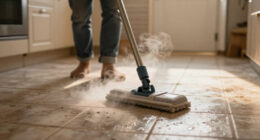
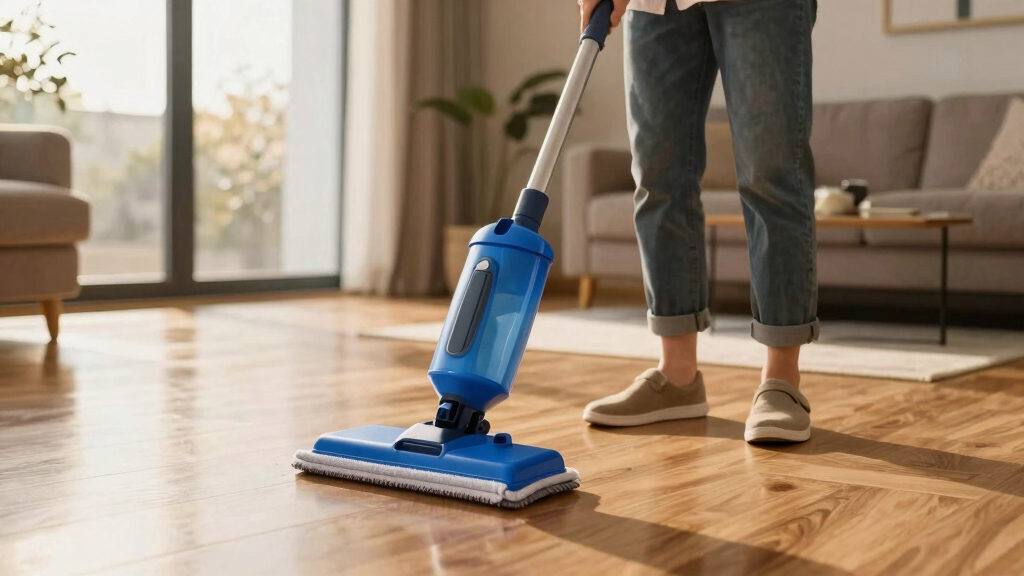
To steam mop without streaks, use clean microfiber pads, avoid over-wetting, keep the mop moving steadily, and choose the right steam settings. Proper prep and drying are key to a flawless finish.
Always start with a dust-free, clean floor before steaming.
Use distilled or filtered water to prevent mineral streaks.
Keep the mop moving smoothly and steadily—don’t linger in one spot.
Adjust steam settings based on your floor type for gentle cleaning.
Finish with a dry microfiber cloth or buffing pad for the best shine.
Start With a Clean, Dust-Free Floor
Before steaming, always clear your floor of loose dirt and dust. Use a vacuum or broom to sweep thoroughly. This prevents dirt from spreading or smudging when you mop, which can cause streaks. Imagine trying to polish a muddy window—clean surface first, then shine.
For example, a quick sweep of your laminate kitchen floor removes crumbs and pet hair, making the steam mop work more effectively and evenly. This simple step can cut down on streaks caused by trapped debris.
As an affiliate, we earn on qualifying purchases.
Choose the Right Water and Keep Your Mop Head Fresh
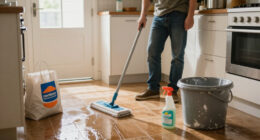
Use distilled or filtered water instead of tap water. Mineral deposits from hard water can cause streaks and spots, which not only mar the appearance but can also damage your mop over time. Regularly washing or replacing microfiber pads prevents dirt buildup and ensures even moisture distribution. This is crucial because a dirty or worn pad can spread dirt or leave uneven streaks, defeating the purpose of a streak-free clean.
For instance, switching to filtered water reduced mineral deposits on a vinyl floor, keeping it streak-free after multiple moppings. Remember, a fresh microfiber pad is like a clean brush—crucial for a flawless finish. Neglecting this step can result in streaks that are difficult to remove, especially on light-colored or glossy surfaces where imperfections are more visible.
As an affiliate, we earn on qualifying purchases.
Master the Technique: Keep the Mop Moving Steadily
The key to streak-free mopping is maintaining a consistent movement. Staying in one spot causes excess moisture to be deposited, which can lead to streaks and water spots. Overlapping strokes ensure no area is missed and help distribute heat and moisture evenly, reducing the risk of puddles or uneven shine. Think of it as painting—steady, continuous strokes create a uniform finish and prevent streaks caused by abrupt or jerky movements.
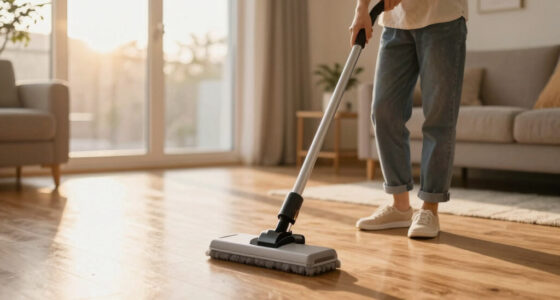
For example, moving your steam mop at a slow, uniform pace across a hardwood floor helps prevent puddling and streaks. If you move too quickly, you might not give the steam enough contact to loosen dirt; too slowly, and you risk over-wetting. The tradeoff is finding a balance—consistent speed ensures thorough cleaning without excess water, which is essential for delicate surfaces like hardwood or laminate that can warp or swell if overexposed to moisture.
As an affiliate, we earn on qualifying purchases.
Adjust Steam Settings for Different Floors
Not all floors need the same steam level. Using too much steam on delicate surfaces like hardwood or laminate can saturate the material, causing warping, swelling, or even damage over time. Conversely, too little steam may not effectively loosen dirt or grime. Adjusting the steam level allows you to tailor your cleaning to the floor’s needs, balancing effective sanitation with surface preservation.
For instance, on a sealed hardwood floor, a low steam setting cleans thoroughly without water pooling or leaving streaks. Many modern steam mops have adjustable levels—using the correct setting can prevent excess moisture that causes streaks or damage. The tradeoff here is between cleaning power and safety; setting the steam too high may damage sensitive floors, while too low might be ineffective. Learning to adjust based on your floor type is key to streak-free results.
best steam mop for hardwood floors
As an affiliate, we earn on qualifying purchases.
As an affiliate, we earn on qualifying purchases.
Finish With a Dry Cloth or Buff for Extra Shine
After steaming, going over the floor with a dry microfiber cloth or buffing pad is essential. This step removes any residual moisture that can cause streaks or water spots as the floor dries. It also helps polish the surface, enhancing its shine and smoothness. Think of it as polishing a car—adding that final touch ensures a mirror-like finish and removes any lingering streaks or dampness that could reappear as spots.
For example, after steaming a vinyl floor, a quick dry buff with a clean cloth made the surface gleam and eliminated any lingering streaks or water spots. Skipping this step can leave behind a hazy appearance or streaks that are more noticeable in certain lighting conditions. The tradeoff is minimal—adding a simple buff can significantly improve the overall appearance and ensure a streak-free shine.
Compare Different Methods to Avoid Streaks
| Method | Pros | Cons |
|---|---|---|
| Use a damp microfiber pad | Traps dirt, dries quickly, reduces streaks | Needs regular washing |
| Keep moving steadily | Prevents puddling and streaks | Requires focus and practice |
| Adjust steam level | Prevents excess moisture on delicate floors | May need trial and error |
Troubleshooting Common Streaking Problems
If floors still streak, it’s important to understand why. Hard water mineral deposits can leave persistent spots that are difficult to remove once they’ve dried, especially on glossy or light-colored surfaces. This is why water quality matters; using mineral-rich tap water can cause streaks that appear as cloudy or hazy patches. Additionally, a worn or dirty microfiber pad won’t absorb or release moisture evenly, leading to uneven streaks or smudges. Holding the mop in one spot for too long deposits excess water, which then dries unevenly, creating streaks or water spots. The tradeoff is between thorough cleaning and surface preservation—over-wetting can damage delicate floors, while under-wetting might not remove dirt effectively. Regularly checking and adjusting your technique, water quality, and equipment condition ensures a streak-free finish.
For example, switching to distilled water and replacing a worn microfiber pad cleared up persistent streaks on a laminate floor. Remember, a light touch and steady pace make all the difference in achieving a pristine, streak-free shine.
Frequently Asked Questions
Can I use tap water in my steam mop without streaks?
Tap water can leave mineral deposits that cause streaks and spots, especially in hard water areas. Using distilled or filtered water significantly reduces this risk and helps keep your floors streak-free.
How long should I wait for the floor to dry after steaming?
Most floors dry within 5 to 10 minutes if properly ventilated. To avoid streaks, wait until the floor is completely dry before walking on it or applying a buffing cloth.
What microfiber pad is best for streak-free cleaning?
Look for high-quality, machine-washable microfiber pads with dense fibers. They trap dirt and moisture better, providing an even clean without streaks. Regularly wash or replace pads for optimal results.
Can I use a steam mop on hardwood floors?
Yes, but only if your hardwood is sealed and your steam mop has adjustable low steam settings. Excess moisture can damage unsealed hardwood, so always test in a hidden corner first.
Why do floors still look streaky after mopping?
This usually happens if the microfiber pad is dirty, the water is mineral-rich, or the mop stays in one spot too long. Improving these factors can lead to a streak-free shine.
Conclusion
Achieving a streak-free shine isn’t magic; it’s about technique and preparation. Keep your microfiber pads clean, move steadily, and match your steam level to your floor. Your floors will thank you with a glossy, flawless look—no streaks in sight. Now, grab that mop and turn your cleaning routine into a quick, satisfying ritual.Fall Picks
fall essentials
As an affiliate, we earn on qualifying purchases.