TL;DR

Get cleaning gear delivered free with Prime
- Fast, free delivery on millions of items
- Prime Video, Amazon Music and more included
- Member-only deals all year
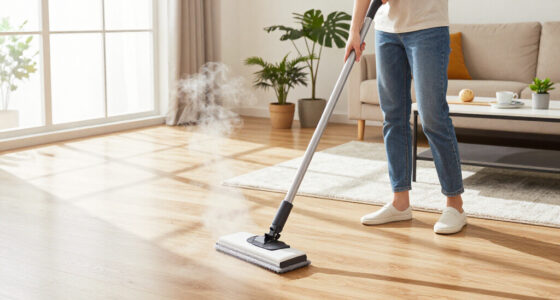
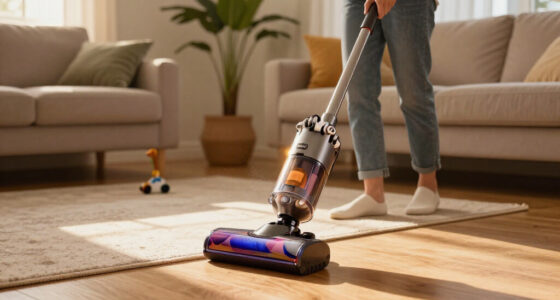
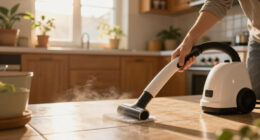
A steam mop uses heated steam to loosen grime, ideal for sealed, steam-safe surfaces. The CrossWave vacuums and washes in one step, better for everyday messes. Your choice depends on surface compatibility and cleaning needs.
Imagine a cleaning tool that can both loosen stubborn grime with steam or vacuum up crumbs and pet hair in one pass. That’s the core difference between a steam mop and a Bissell CrossWave. Knowing which one suits your floors can save time, money, and frustration.
This guide walks through their strengths, limitations, and surface considerations, so you can pick the right tool for your home’s needs. Whether you’re dealing with sticky kitchen spills or dusty hardwood, understanding their roles helps you clean smarter, not harder.
Steam Mop vs Bissell CrossWave
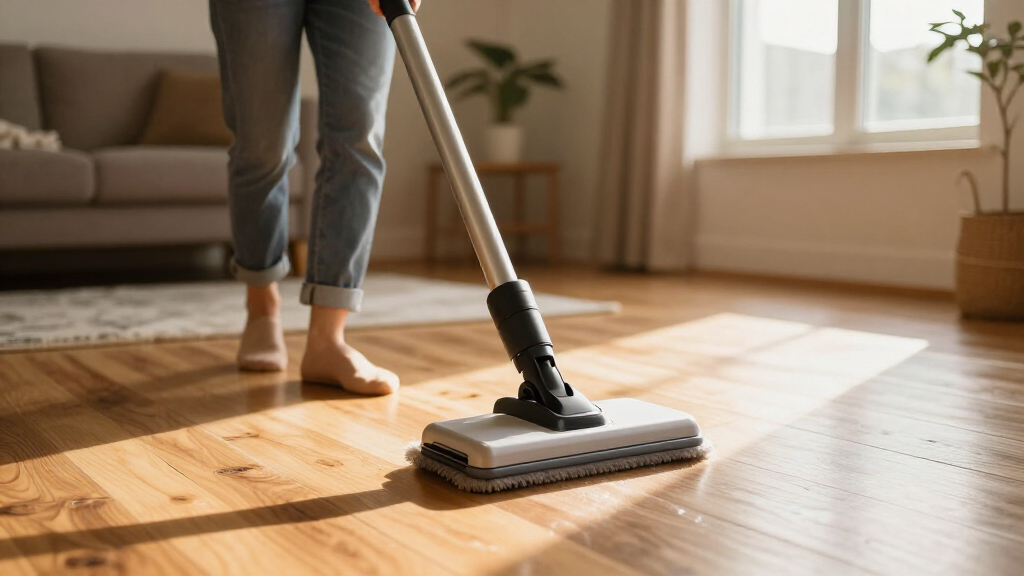
A steam mop uses heat to loosen stubborn grime. A Bissell CrossWave vacuums debris while washing. The better choice is determined first by floor compatibility—and then by the messes you clean most often.
Simple, water-based cleaning for sealed surfaces specifically approved for steam.
Captures crumbs, hair, dust, and spills while washing in one pass.
“Hard floor” does not automatically mean steam-safe or wet-cleaning safe.
Possible in some machines; model performance varies.
Vacuuming and washing in a single routine.
Loose hair, grit, and crumbs require pre-cleaning.
Check both manuals and a hidden floor area.
Know the floor before choosing the machine
Heat and moisture can enter seams, weaken finishes, or swell vulnerable materials. A gentler-looking process is not automatically safe.
Unsealed wood
Moisture may penetrate exposed fibers, creating swelling, warping, staining, or long-term structural damage.
Waxed finishes
Heat can soften wax, while wet cleaning may cloud, strip, or redistribute the protective finish.
Laminate flooring
Heat or liquid entering joints can cause edge lifting and swelling. Many products prohibit steam entirely.
Engineered wood
Approval depends on the wear layer, finish, seam condition, installation method, and moisture tolerance.
Sealed tile
Often compatible, but damaged grout, loose tiles, specialty coatings, and appliance instructions still matter.
Sealed hardwood
Use only when both the flooring maker and cleaner manufacturer approve the exact cleaning method.
Loose seams, cracks, worn coatings, or damaged finishes can make an otherwise approved floor unsuitable for heat or liquid.
Different tools solve different cleaning problems
The CrossWave wins on consolidation. The steam mop wins on operational simplicity and heat-assisted grime removal.
| Aspect | Steam mop | Bissell CrossWave |
|---|---|---|
| Primary function | ~Steam-cleaning | ✓Vacuuming and washing |
| Crumbs and hair | ✗Usually not collected | ✓Collected during washing |
| Cleaning agent | ✓Usually water only | ~Water plus compatible formula |
| Best match | ✓Stuck-on grime | ✓Everyday mixed messes |
| Pre-cleaning | ✗Sweep or vacuum first | ✓Often combines both steps |
| Area rugs | ✗Not intended for rugs | ~Available on some models |
| After-use care | ✓Wash pad; descale as directed | ~Clean tanks, roll, filter, and tray |
| Typical drawback | ✗No debris pickup | ~More parts and supply costs |
One tool needs a pre-clean; the other combines passes
Grit can scratch delicate surfaces, while hair and crumbs may smear beneath a wet steam pad. Debris management changes the entire routine.
Clean in separate stages
Skipping stage two can push dirt around, embed particles, or leave micro-scratches on delicate finishes.
Combine routine cleaning
Edges, tight corners, cereal, and large objects may still require a separate vacuum or manual pickup.
Match the machine to the mess
These bars are a qualitative guide based on each tool’s operating method, not laboratory performance scores.
Steam is not automatically disinfection
Cleaning removes soil. Sanitization claims require specific tested conditions. A quick pass should never be assumed to sterilize a floor.
Effectiveness depends on temperature, contact time, cleaning speed, pad or attachment, compatible surfaces, and exact manufacturer instructions.
Is the claim tied to the exact appliance model?
Does it specify a required contact time or speed?
Is the tested surface the same as your flooring?
Does the claim require a particular pad or formula?
Choose in the right order
Surface safety is the gatekeeper. Convenience, cost, and cleaning style only matter after the floor passes compatibility checks.
Heat-assisted simplicity matters
Your flooring is explicitly steam-safe, loose debris is pre-cleaned, stuck-on grime is common, and you prefer reusable pads with minimal cleaning products.
Everyday versatility matters
Your sealed floor permits wet cleaning and your routine includes pet hair, crumbs, muddy footprints, spills, or frequent whole-floor maintenance.
Why Surface Safety Comes First — Know Your Floors
Both machines serve different purposes, but surface safety tops the list. A steam mop uses superheated steam—sometimes reaching over 200°F—to loosen dirt. This heat can damage unsealed wood, waxed finishes, and many laminates. For example, a quick pass on unsealed hardwood can cause warping or finish peeling.
The Bissell CrossWave, applying liquid and vacuuming simultaneously, is generally gentler but still risky for unsealed or water-sensitive floors. Always check with your floor’s manufacturer. For hardwood or laminate, ensure they’re sealed and approved for wet cleaning. Testing a hidden area first isn’t optional—it’s essential.
Understanding these safety considerations is crucial because using an inappropriate cleaning method can lead to costly damage or irreversible surface deterioration. The implications are significant: damaging a sealed hardwood floor might mean expensive refinishing, while unprotected unsealed floors could warp or swell, leading to long-term repair costs. Prioritizing surface safety ensures your cleaning routine preserves your floors’ integrity and appearance, saving both money and frustration in the long run.
best steam mop for sealed hard floors
As an affiliate, we earn on qualifying purchases.
As an affiliate, we earn on qualifying purchases.
Can You Skip Vacuuming? Not Always — Why Pre-Clean Matters
Many think a steam mop can handle everything, but that’s a mistake. Loose debris like hair, crumbs, or grit can scratch delicate surfaces or smear around when steamed. It’s like trying to wash a dirty window without wiping first—dirt just spreads. If debris isn’t removed beforehand, the cleaning process might inadvertently embed dirt into the surface or cause scratches, which diminishes the appearance and longevity of your floors.
The Bissell CrossWave shines here, as it vacuums debris in addition to washing. It effectively captures pet hair, dust, and small debris, preventing these particles from being spread around or ground into the surface. However, heavy or large debris—like cereal or pet toys—should still be removed before use to avoid clogging or damaging the machine’s components. Neglecting pre-cleaning can lead to reduced cleaning efficiency, potential machine damage, and increased maintenance costs. Therefore, investing a moment to vacuum or sweep first ensures optimal performance, prolongs the lifespan of your equipment, and results in a more thorough, scratch-free clean.
This pre-cleaning step is about more than just convenience—it’s about protecting your surfaces and ensuring your cleaning efforts are effective. When debris is left behind, it can cause micro-scratches or smearing, ultimately leading to a dull appearance and potential surface damage. The tradeoff is clear: taking a few extra minutes to pre-clean with a vacuum or broom greatly enhances the overall outcome, saving time and money on repairs or refinishing later.
Bissell CrossWave multi-surface cleaner
As an affiliate, we earn on qualifying purchases.
As an affiliate, we earn on qualifying purchases.
Steam vs. Sanitization — What’s the Real Deal?
Many assume steam automatically disinfects floors. While hot steam can kill some bacteria, actual sanitization depends on temperature, contact time, and surface compatibility. Most consumer-grade steam mops don’t meet the standards needed for true disinfection, which often requires sustained exposure to high heat for a specific duration to effectively eliminate pathogens. Using a steam mop for disinfection might give a false sense of security, especially if the heat isn’t maintained long enough or if the surface isn’t suitable for steaming.
Similarly, the Bissell CrossWave primarily cleans rather than sanitizes. Some models, especially HydroSteam, add a steam function, but their ability to disinfect depends on how long and hot the contact is. For example, a quick pass might remove surface dirt but won’t necessarily kill bacteria or viruses. If disinfection is a priority—say, during illness outbreaks—it’s important to use approved disinfectant products or devices specifically designed for sanitization, rather than relying solely on steam or washing. Misunderstanding the capabilities of these tools can leave surfaces inadequately sanitized, risking health and safety. Therefore, always verify manufacturer claims and follow recommended procedures to ensure your cleaning routine meets your disinfection needs.
The key implication is that neither device should be solely relied upon for sanitization unless explicitly designed and tested for that purpose. Recognizing these limitations helps prevent complacency, ensuring you use the appropriate methods for health-critical situations. This awareness underscores the importance of combining cleaning with proper disinfecting practices, especially in households with vulnerable individuals or during health crises.
As an affiliate, we earn on qualifying purchases.
vacuum and wash hard floor machine
As an affiliate, we earn on qualifying purchases.
As an affiliate, we earn on qualifying purchases.
Halloween Picks
halloween
As an affiliate, we earn on qualifying purchases.