
TL;DR

Get cleaning gear delivered free with Prime
- Fast, free delivery on millions of items
- Prime Video, Amazon Music and more included
- Member-only deals all year
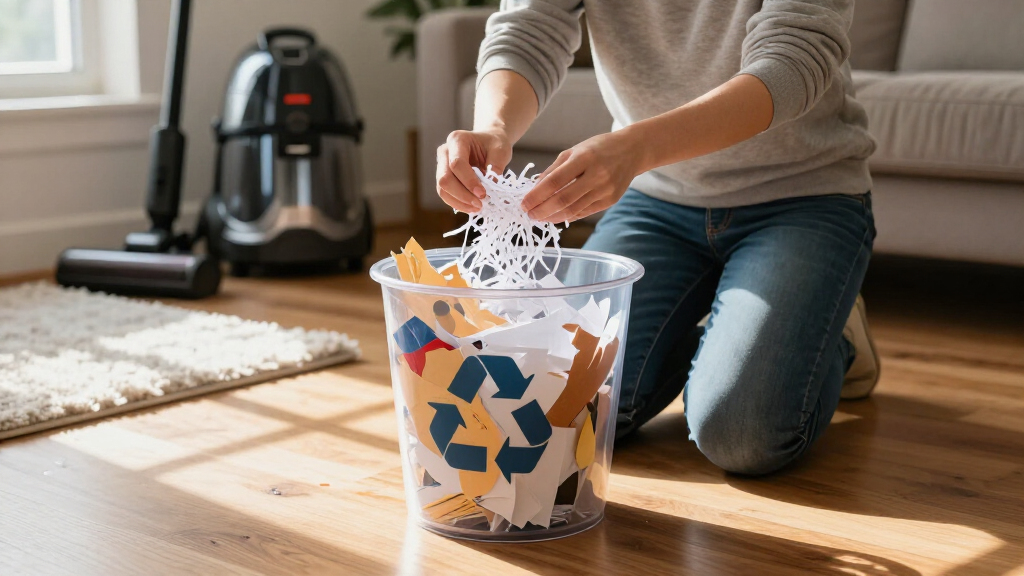
Shredded paper is often rejected in recycling bins because it complicates processing and can contaminate other recyclables. Experts warn consumers to check local guidelines before disposal. The exact reasons behind these issues are still being studied.
Recycling facilities frequently reject shredded paper, even when it is placed in recycling bins, due to its tendency to cause processing problems and contamination. This development is significant because many consumers assume shredded paper is recyclable and include it in curbside collections, leading to increased waste and confusion.
According to waste management experts, shredded paper often cannot be processed effectively in standard recycling facilities. The main issues include its small size, which allows it to escape collection bins and spread throughout the recycling stream, and its tendency to contaminate other recyclables, such as plastics and metals. Many recycling centers have updated their guidelines, explicitly discouraging residents from disposing of shredded paper in curbside bins, despite previous assumptions that it was recyclable.
Recent reports from waste processing facilities indicate that shredded paper can jam sorting machinery and reduce the efficiency of recycling operations. Some facilities have even reported increased contamination rates, which can lead to entire batches being rejected or sent to landfill. While some recycling programs accept shredded paper if it is bagged or contained, many do not, citing processing difficulties and contamination risks.
Environmental organizations and waste management agencies emphasize the importance of following local guidelines, as improper disposal of shredded paper can undermine recycling efforts and increase landfill waste. Experts recommend alternative disposal methods, such as composting or secure destruction services for sensitive documents.
Impacts on Recycling and Consumer Practices
This issue matters because it highlights a disconnect between consumer assumptions and the realities of recycling processing. When shredded paper is improperly disposed of, it can lead to increased waste sent to landfills, higher processing costs, and reduced efficiency of recycling centers. Understanding these challenges is crucial for consumers aiming to reduce their environmental footprint and for policymakers working to improve waste management systems.
The confusion around shredded paper’s recyclability underscores the need for clearer public guidance and education. It also points to broader challenges in recycling infrastructure, which must adapt to new types of waste and contamination issues to meet environmental goals effectively.
As an affiliate, we earn on qualifying purchases.
Growing Concerns Over Recycling Contamination
Recycling programs worldwide have faced increasing challenges related to contamination, with small, lightweight materials like shredded paper being a significant contributor. Historically, shredded paper was often accepted in curbside bins, but as processing facilities upgraded their sorting machinery, they encountered new problems. These include machinery jams and increased contamination rates, leading many centers to revise their acceptance policies.
The trend appears to be driven by a combination of technological limitations and environmental concerns. As waste streams become more complex, facilities are seeking stricter guidelines to maintain efficiency. The recent spike in coverage and public interest appears linked to reports of rejected shredded paper and new municipal policies discouraging its disposal in recycling bins, although the specific trigger remains unconfirmed.
Experts note that this shift reflects a broader evolution in recycling practices, emphasizing contamination control and processing efficiency, rather than a fundamental change in the material itself.
compostable shredded paper disposal
As an affiliate, we earn on qualifying purchases.
As an affiliate, we earn on qualifying purchases.
Unconfirmed Reasons Behind Recycling Policy Changes
While reports indicate that shredded paper causes processing issues, the specific technical or economic reasons for many recycling centers rejecting it are still being studied. It is not yet clear whether machinery limitations, contamination concerns, or cost factors are the primary drivers, or if other factors are involved.
Additionally, the extent to which shredded paper can be safely recycled if properly contained or processed elsewhere remains uncertain. Some programs accept shredded paper if sealed in bags, but this practice is not universally adopted.
document destruction shredder services
As an affiliate, we earn on qualifying purchases.
As an affiliate, we earn on qualifying purchases.
Future Regulations and Recycling Guidelines
Recycling agencies and municipalities are expected to continue updating their guidelines based on new research and technological advancements. Public education campaigns are likely to emphasize proper disposal methods for shredded paper, such as secure shredding services or composting, to reduce contamination and improve recycling outcomes.
Further studies are anticipated to clarify the technical challenges and develop solutions that could eventually allow shredded paper to be recycled more broadly. Policymakers and waste management companies will monitor these developments closely to adapt policies accordingly.
recycling guidelines shredded paper
As an affiliate, we earn on qualifying purchases.
As an affiliate, we earn on qualifying purchases.
Key Questions
Can I recycle shredded paper in my curbside bin?
Most recycling programs now discourage or prohibit shredded paper in curbside bins due to processing difficulties and contamination risks. Check your local guidelines for specific instructions.
Why does shredded paper cause problems in recycling facilities?
Its small size allows it to escape collection containers and spread throughout the recycling stream, causing jams and contamination that reduce processing efficiency.
Are there safe ways to dispose of shredded paper?
Yes, options include using secure shredding services that provide contained disposal, composting if suitable, or destroying documents through secure methods that do not involve recycling.
Will shredded paper ever be recyclable again?
It is uncertain. Advances in recycling technology or new processing methods could change current practices, but for now, most programs advise against recycling shredded paper curbside.
How can I reduce contamination when disposing of shredded paper?
Use designated shredding services that offer contained disposal, or consider composting if the shredded paper is free of inks and adhesives.
Source: rss
Halloween Picks
halloween
As an affiliate, we earn on qualifying purchases.