TL;DR
Listen free for 30 days with Audible
Thousands of audiobooks and originals — cancel anytime.
Start your free trialAs an affiliate, we earn on qualifying purchases.
Steam cleaning helps with pet odors by killing bacteria and loosening dirt, but it often isn’t enough alone for deep, persistent smells. Combining it with enzymatic cleaners or odor-neutralizing products yields better results, especially on carpets and upholstery.
Does Steam Cleaning Help With Lingering Pet Odors?
Steam kills bacteria and loosens dirt — but persistent pet smells often run deeper than the surface. Here is how high-temperature steam fights odors, where it falls short, and the layered approach that actually keeps your home fresh.
How Steam Cleaning Attacks Pet Odors
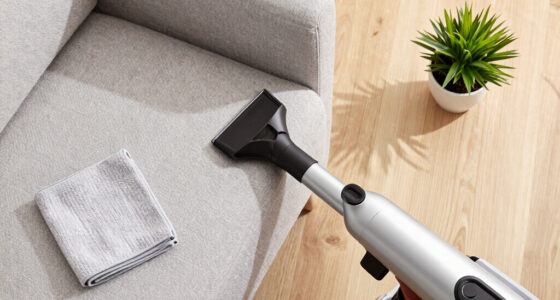
Steam blasting works like a tiny, invisible army wiping out germs lurking in carpet fibers and upholstery. The heat penetrates deep into fibers, breaking down organic matter — but it doesn’t always neutralize the chemical compounds behind the smell, especially those soaked into padding or subflooring.
Heat Destroys the Source
Super-hot steam at 212°F (100°C) or higher kills bacteria, molds, and germs that produce sour pet smells — eliminating up to 99% of household bacteria with proper technique.
Deep Into the Fibers
Steam loosens embedded dirt and organic matter in carpets, upholstery, and floorboards — reaching further than surface wiping or vacuuming alone.
Heat Has Limits
Some odor compounds in pet urine bind tightly to fibers or penetrate porous materials. Without enzymatic neutralizers, smells can persist — or even intensify over time.
Odor Removal Effectiveness by Source
Think of a stain soaked into a sponge: steam cleans the surface but can’t reach embedded particles. Deeper contamination needs a layered treatment.
Steam Alone vs. a Layered Approach
Steam cleaning is a powerful first step, but a multi-level strategy targets every source of odor. Here’s what each situation realistically requires.
| Odor Scenario | Steam Alone | Steam + Enzymatic Cleaner | What’s Really Needed |
|---|---|---|---|
| Fresh accident on carpet surface | ✓ Effective | ✓ Very effective | Prompt treatment + steam |
| Light everyday pet odor | ✓ Effective | ✓ Excellent | Monthly steam + weekly vacuuming |
| Urine soaked into padding | ✗ Insufficient | ~ Better | Enzymatic soak, possible pad replacement |
| Old, set-in urine stains | ✗ Insufficient | ~ Often needed | Enzymatic cleaner first, then steam |
| Odor in subfloor or hardwood cracks | ✗ Can’t reach | ~ Partial | Specialized neutralizers, sealing, pro help |
| Heat-resistant chemical odor compounds | ✗ Resistant | ✓ Breaks them down | Enzymes target odor molecules directly |
The Winning 5-Step Odor Routine
Recognizing steam’s limits is empowering — it lets you build a comprehensive routine that addresses every source of pet odor, from surface bacteria to deep chemical residues.
Pre-Clean
Remove pet hair and vacuum thoroughly first — hair blocks steam from reaching fibers.
Enzymatic Treatment
Apply a pet-safe enzymatic cleaner to accident spots to break down odor molecules.
Steam Clean
Blast surfaces at 212°F+ to kill bacteria and lift residual dirt and organic matter.
Neutralize & Deodorize
Follow with odor-neutralizing spray or baking soda to absorb lingering compounds.
Maintain
Monthly deep steam, weekly vacuuming, and immediate accident response prevent buildup.
Recent Innovations in Pet Odor Removal
New technology is making layered cleaning easier than ever — and professional-grade results more accessible at home.
Steam + Vacuum Combo Units
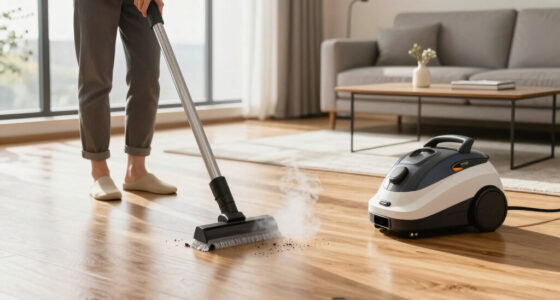
Newer machines combine steam cleaning with vacuuming or built-in deodorizing agents, offering more comprehensive odor control in a single pass.
Higher Heat, Better Extraction
Modern steam cleaners feature higher temperatures, adjustable steam levels, and stronger extraction systems — noticeably improving odor removal.
Eco-Friendly Neutralizers
Growing demand for non-toxic products has led to natural, pet-safe enzymatic solutions designed to work alongside steam cleaning.
Frequently Asked Questions
The most common questions pet owners ask about steam and stubborn smells.
The verdict: yes — with an asterisk. Steam cleaning is a valuable tool for managing pet odors, especially when paired with enzymatic treatments and consistent upkeep. Don’t expect a magic fix; think of it as part of a multi-step process. Keep your routine steady, your tools layered, and your home’s scent fresh — and your pets will thank you for it. For heavily contaminated areas, professional services often outperform DIY thanks to superior equipment and expertise.
How Steam Cleaning Kills Pet Odors — The Science You Should Know
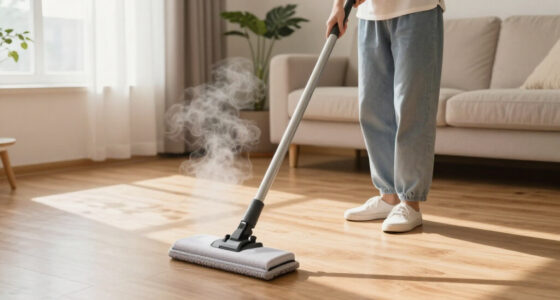
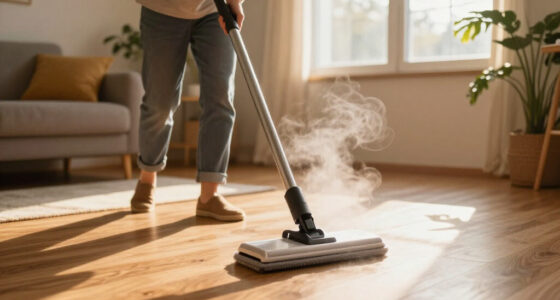
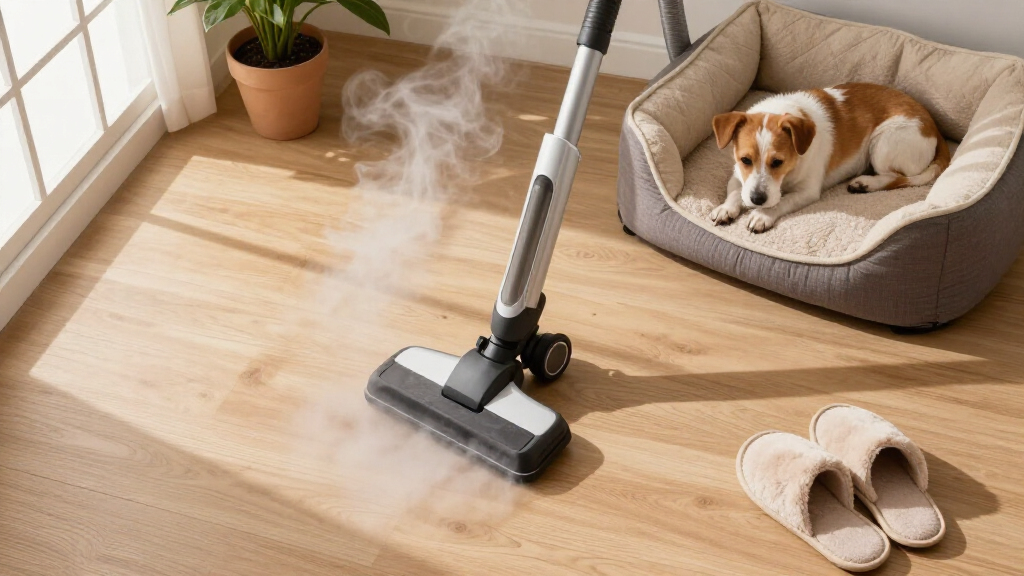
Steam cleaning works by blasting surfaces with super-hot steam, often reaching temperatures of 212°F (100°C) or higher. This heat kills bacteria, molds, and germs that cause pet odors. Imagine the steam as a tiny, invisible army wiping out germs lurking in the carpet fibers or upholstery.
For example, if your dog had an accident on the living room rug, the bacteria from urine can linger and produce a sour smell. High-temperature steam penetrates deep into the fibers, breaking down organic matter and killing bacteria that produce the odor. Studies from cleaning science show that 99% of household bacteria can be eliminated with proper steam cleaning, which significantly cuts down on pet smells.
But keep in mind — while steam kills bacteria and loosens dirt, it doesn’t always tackle the chemical compounds that cause the smell, especially if the odor has soaked into padding or subflooring. That’s why steam is often effective but not always enough on its own for deeply ingrained pet odors.
Understanding this is crucial because it highlights the importance of targeting the source of odors at multiple levels. If only bacteria and surface dirt are addressed, chemical residues and absorbed compounds will remain, causing odors to persist or re-emerge over time. This means that relying solely on steam may give a temporary fresh scent but won’t guarantee long-term odor elimination, especially in heavily contaminated areas. Recognizing the limitations helps pet owners plan more comprehensive cleaning strategies for a truly odor-free home.
As an affiliate, we earn on qualifying purchases.
Why Steam Cleaning Might Not Fully Eradicate Pet Smells
Steam cleaning can help, but it has limits. If your pet’s accident soaked into the padding underneath the carpet or seeped into the subfloor, steam alone often can’t reach or neutralize these deep sources.
Imagine trying to wash out a stain that’s soaked into a sponge — steam can clean the surface but won’t reach the embedded particles. Similarly, pet urine that penetrates deep into padding or hardwood cracks can continue to emit odors even after steam cleaning.
Additionally, some odors originate from chemical compounds in pet urine or feces that are resistant to heat. These compounds can bind tightly to fibers or penetrate porous materials, making them difficult to neutralize with heat alone. If these residues are not addressed with enzymatic or chemical neutralizers, the smell can persist, sometimes even intensifying as bacteria break down residual organic matter or chemical residues over time.
This highlights the importance of a layered cleaning approach. Combining steam cleaning with targeted treatments like enzymatic cleaners or odor neutralizers can effectively break down and eliminate these stubborn residues. Without these additional steps, pet odors are likely to return, especially in high-traffic or heavily contaminated areas.
In addition, understanding when to use supplementary treatments is key. For instance, after steam cleaning, applying an enzymatic odor neutralizer can help break down remaining organic compounds, ensuring a more thorough and lasting fresh scent. Recognizing the limits of steam cleaning empowers pet owners to adopt a comprehensive cleaning routine that addresses all sources of pet odors.
As an affiliate, we earn on qualifying purchases.
Frequently Asked Questions
Does steam cleaning completely eliminate pet odors?
Not always. Steam cleaning can reduce bacteria and organic matter that cause odors, but deeply embedded or chemical smells often need additional treatments like enzymatic cleaners for full removal.How often should I steam clean my carpets or furniture to control pet odors?
For homes with pets, a monthly deep steam clean combined with weekly vacuuming helps prevent odor buildup. Promptly treating accidents also makes a big difference.Can steam cleaning remove old or set-in pet urine stains and odors?
Steam alone usually isn’t enough for old, set-in pet urine. You’ll likely need enzymatic or specialized chemical cleaners first, then follow with steam to lift residual dirt and bacteria.What products should I use alongside steam cleaning for best results?
Use pet-safe enzymatic cleaners, odor-neutralizing sprays, and natural deodorizers like baking soda after steaming. These target the chemical and bacterial sources of odors effectively.Is steam cleaning safe for all types of flooring and upholstery?
Generally yes, but always check your manufacturer’s guidance. Test in a hidden spot first to avoid damage, especially on delicate surfaces like hardwood or laminate.carpet steam cleaner with odor elimination
As an affiliate, we earn on qualifying purchases.
As an affiliate, we earn on qualifying purchases.
Conclusion
Steam cleaning is a useful tool in managing pet odors, especially when paired with enzymatic treatments and consistent upkeep. Don’t expect it to be a magic fix — think of it as part of a multi-step process that keeps your home smelling fresh. A clean home isn’t just about appearance; it’s about creating a space where everyone feels comfortable, fur or no fur. Keep your tools sharp, your routine steady, and your home’s scent fresh — and your pets will thank you for it.As an affiliate, we earn on qualifying purchases.
NFL season / tailgating Picks
team gear
As an affiliate, we earn on qualifying purchases.