TL;DR
Listen free for 30 days with Audible
Thousands of audiobooks and originals — cancel anytime.
Start your free trialAs an affiliate, we earn on qualifying purchases.
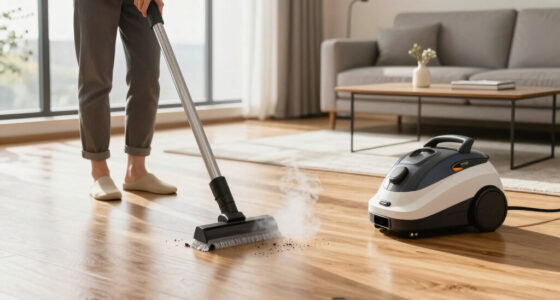
Hot steam can damage floor sealant over time, especially on aging or scratched finishes. Repeated exposure may cause discoloration, weakening, or moisture damage beneath the surface. Always follow manufacturer guidance and use low-moisture methods for safety.
Imagine steaming your tile or hardwood floor, expecting a quick, chemical-free clean. Instead, you notice dull patches, white haze, or even slight warping over time. That’s because hot steam, while effective at sanitizing and loosening dirt, can quietly weaken the protective sealant that keeps your floors looking fresh. Knowing how steam interacts with different finishes isn’t just technical trivia—it’s the difference between a shiny, long-lasting surface and one that deteriorates faster than you’d like.
In this guide, you’ll learn exactly how hot steam can affect various types of floor sealants, what warning signs to watch for, and safer ways to keep your floors spotless without risking damage. Whether you’re a DIY enthusiast or just curious about your cleaning tools, understanding the risks helps you make smarter choices—saving money and preserving your floors’ beauty for years to come.
Repeated hot steam exposure can gradually dull, haze, or discolor floor sealant, especially if the finish is worn or scratched.
Always check your flooring’s manufacturer instructions—some floors are explicitly not designed for steam cleaning.
Sealed floors aren’t fully waterproof; moisture can seep through seams and cracks, causing damage over time.
Use low-moisture methods—vacuum, lightly damp microfiber mops, and approved cleaners—for safer, longer-lasting results.
Regularly inspect your floors for signs of damage like hazing, lifting, or dark seams, and address issues early.
Does Hot Steam Damage Floor Sealant Over Time?
Hot steam sanitizes brilliantly—but it can quietly weaken the protective sealant on your floors. Repeated exposure may cause hazing, discoloration, and moisture damage beneath the surface, especially on aging or scratched finishes. Here’s what the evidence says and how to clean safely.
Five Key Takeaways
Steam damage is frequently gradual and invisible at first. These are the essentials every floor owner should know.
Cumulative dulling
Repeated steam exposure can gradually dull, haze, or discolor floor sealant—especially if the finish is worn, scratched, or aging.
Check the manufacturer
Some floors are explicitly not designed for steam cleaning. Many hardwood manufacturers advise avoiding steam entirely.
Sealed ≠ waterproof
Moisture can seep through seams and cracks over time. The sealant reduces penetration—it doesn’t block it permanently.
Go low-moisture
Vacuum, lightly damp microfiber mops, and approved cleaners deliver safer, longer-lasting results than steam.
Watch for early signs
Hazing, lifting edges, or dark seams signal trouble. Addressing issues early prevents costly refinishing later.
Hidden failure first
The material beneath may fail before the sealant does—swollen cores, loosened adhesive, and warped boards can occur under an intact surface.
When Steam Is Risky or Okay
Not all floors react the same way. Steam may be safe for the tile itself but risky for the grout; safe for the surface but fatal for the core. Always consult your flooring manufacturer’s guidelines.
| Floor Type | Steam Risk | What Happens |
|---|---|---|
| Laminate | ✗ HIGH | Steam penetrates seams and damages the fiberboard core—swollen edges or permanent buckling. |
| Waxed / oiled wood | ✗ HIGH | Heat and detergents can strip or alter the protective oil or wax treatment. |
| Engineered wood | ~ MODERATE | Joint separation, veneer damage, and weakened adhesives from repeated heat and moisture. |
| Polyurethane hardwood | ~ MODERATE | Finish resists surface moisture, but vapor enters joints and scratches. Many makers advise against steam. |
| Vinyl & vinyl plank | ~ VARIES | Steam may affect adhesive bonds, edges, and dimensional stability. Manufacturer guidance differs. |
| Sealed natural stone | ~ VARIES | Heat and moisture may shorten sealer life; grout and cracks remain vulnerable. |
| Ceramic & porcelain tile | ✓ LOWER | Tile tolerates heat well—but grout, sealers, adhesives, and cracked areas may not. |
How Steam Damage Unfolds
Steam hits the floor with heat, moisture, and pressure. The surface dries quickly—but vapor takes the slow route, and damage accumulates step by step.
Steam applied
High-temperature vapor hits the surface under pressure.
Vapor seeps in
Moisture enters microscopic cracks, seams, joints, and pores.
Barrier weakens
Sealant softens, dulls, or hazes; adhesives lose grip beneath.
Substrate swells
Trapped moisture causes swelling, cupping, or warping below.
Damage visible
Cloudy patches, peeling, lifted edges—costly repairs follow.
The Hidden Entry Points
Think of sealant as a raincoat—protective, but not impervious during heavy, repeated exposure. These weak spots are where steam gets beneath the finish.
Board joints
The most common weak point. Vapor travels between boards into the substrate below.
Worn finish
Scratches and chips act as channels. Older, worn sealant offers far less protection.
Grout lines
Porous grout and cracked tile areas let moisture seep beneath even intact tiles.
Perimeter & transitions
Thresholds, transitions, and perimeter gaps remain open routes for vapor intrusion.
What Actually Determines the Damage
Temperature is only part of the story. Relative impact of each risk factor on the likelihood of sealant damage:
Lower risk Worn finish · repeated use
Elevated risk High heat · held in place
Highest risk
Signs Your Floor Is Suffering
Damage shows up gradually. Catch these warning signs early and adjust your routine before repairs become unavoidable.
White haze & cloudy spots
Dull patches or a streaked, matte appearance after cleaning signal hazing and mild sealant deterioration.
Peeling & raised grain
Finish lifting away or wood grain rising means the protective layer is breaking down.
Dark seams & water spots
Discolored seams or spots that never dry indicate moisture trapped beneath the finish.
Lifting edges & warping
Boards swelling, gaps opening, or edges pulling away from the substrate point to substrate failure.
How to Clean Without Damaging the Sealant
Follow this sequence to reduce risk while keeping floors spotless—use the least aggressive method necessary.
Vacuum first
Remove dust and grit that scratch the finish and open entry points for moisture.
Damp microfiber only
Use a lightly damp—not wet—microfiber mop. Never let water pool on seams.
Approved cleaner
Choose pH-neutral cleaners your flooring manufacturer explicitly recommends.
Inspect regularly
Check for haze, lifting, or dark seams. Repair scratches early to seal weak points.
The tradeoff is clear
Steam makes cleaning easier—but misusing it can compromise your floors’ integrity, leading to costly repairs, shortened lifespan, and more frequent refinishing. Balance cleanliness with preservation.
When in doubt, test
Always test in a small, inconspicuous area first. If you notice any dulling or haziness after steaming, reconsider your approach—your sealant is telling you something.
How Hot Steam Impacts Your Sealed Floors — The Real Risks
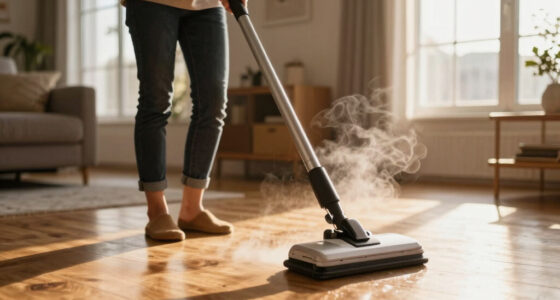
Hot steam hits your floor with a burst of high temperature, moisture, and pressure. While the surface may seem dry quickly, vapor seeps into tiny cracks, seams, and porous areas. Over time, this can lead to dullness, haze, or even swelling beneath the finish.
Repeated or prolonged steam exposure can soften, dull, or discolor finishes. It can also accelerate wear, especially if the sealant isn’t fully bonded or the finish already has scratches or chips. This gradual process often sneaks up on you—initially invisible, but increasingly evident as cloudy patches or peeling appear.
Why does this matter? Because the sealant’s primary role is to act as a barrier—protecting the underlying material from moisture and dirt. When steam weakens or damages this barrier, it exposes your flooring to moisture infiltration, which can cause swelling, warping, or mold growth beneath the surface. The long-term implications? Increased repair costs, shortened lifespan of your flooring, and the need for more frequent refinishing. Recognizing early signs of damage allows you to adjust your cleaning routine before costly repairs become unavoidable.
As an affiliate, we earn on qualifying purchases.
Floor Type Matters: When Steam Is Risky or Okay
Not all floors react the same to steam. Polyurethane-finished hardwood might resist surface moisture but can still suffer from vapor seeping into joints or scratches. Many hardwood manufacturers advise avoiding steam entirely because long-term effects aren’t fully predictable.
Laminate floors are especially vulnerable. Steam can penetrate seams and damage the fiberboard core, causing edges to swell or buckle. Engineered wood, with its layered construction, can also suffer from joint separation or veneer damage if exposed repeatedly to heat and moisture.
Understanding these differences is crucial because it highlights the importance of knowing your flooring’s construction and finish. For example, using steam on a ceramic tile floor might be safe for the tiles themselves but risky for the grout or any cracks, which can allow moisture to seep beneath. Similarly, vinyl floors vary—some are designed to withstand steam, while others are not. The key takeaway? Always consult your flooring manufacturer’s guidelines to understand the implications of using steam on your specific surface. The tradeoff is clear: while steam can make cleaning easier, misusing it can compromise the integrity of your floors, leading to costly repairs or replacements down the line.
As an affiliate, we earn on qualifying purchases.
Floor sealants are designed to reduce penetration but aren’t foolproof. Small gaps, scratches, joints, and seams remain vulnerable. Think of the sealant as a raincoat—protective but not impervious to leaks during heavy or repeated exposure.
Repeated steam cleaning can push moisture into these tiny weak spots, especially if the finish is worn or damaged. Over time, this can lead to whitening, cloudiness, or even rot beneath the surface in extreme cases.
Why does this matter? Because understanding these entry points reveals the importance of inspecting your floors regularly. Even if your surface appears intact, tiny cracks or scratches can act as channels for moisture, gradually undermining the sealant’s protective barrier. If moisture gets trapped beneath, it can cause discoloration, swelling, and deterioration that’s often invisible until significant damage has occurred. Recognizing these vulnerabilities enables you to take preventative measures—like repairing scratches or avoiding excessive steam—thus extending the life of your flooring and avoiding expensive interventions later.
As an affiliate, we earn on qualifying purchases.
The Temperature and Conditions That Tell You When to Be Cautious
Temperature isn’t the only factor—pressure, duration, and floor condition matter too. A steam mop set to high heat held in one spot can cause more harm than a quick pass at a low setting. If your floor has scratches, gaps, or loosened seams, damage risk increases.
Understanding these conditions is critical because it highlights the importance of moderation and awareness. For instance, a high-temperature steam application in one area can cause localized damage, especially if the finish is already compromised. Longer exposure times increase the likelihood of moisture penetrating beneath the surface, leading to swelling or warping. Moreover, the condition of your floor—such as existing scratches, loose tiles, or gaps—can amplify these risks, as they act as entry points for moisture. The key is to evaluate your floor’s specific vulnerabilities and adjust your cleaning method accordingly. Always test in a small, inconspicuous area first, and if you notice any dulling or haziness, reconsider your approach. The tradeoff involves balancing cleanliness with preservation—using the least aggressive method necessary to maintain your floors’ integrity.
As an affiliate, we earn on qualifying purchases.
Signs Your Floor Is Suffering from Steam Damage — What to Watch For
Damage from steam often shows up gradually. Dull patches, white haze, or cloudy spots are common early warnings. If you notice the finish looks streaked or has a matte appearance after cleaning, it might be a sign of hazing or mild sealant deterioration.
Other indicators include peeling, raised grain, dark seams, or edges lifting away from the substrate. When moisture seeps beneath, it can cause boards to swell, leading to gaps or warping. Recognizing these early signs is vital because it allows you to address issues before they worsen—potentially saving you from costly repairs or refinishing.
If you see water spots that don’t dry, or the surface becomes tacky, these are signs that moisture is trapped beneath the finish. Acting early, such as adjusting your cleaning method or repairing damage, can prevent more severe deterioration and extend the lifespan of your flooring.
How to Clean Floors Safely Without Damaging the Sealant
Follow these steps to reduce risk and keep your floors looking their best:
- Check the manufacturer’s care instructions. If they approve steam, follow their guidelines strictly.
- Vacuum or sweep first—removes grit that can scratch or wear the finish.
- Use a microfiber mop that’s only lightly damp, never dripping.
- Apply a neutral cleaner approved for your flooring type. Spray it onto the mop, not directly on the floor.
- Limit steam use to low or medium settings, and keep the mop moving—avoid holding it in one spot.
- Test a small hidden area first. Wait for it to dry, then inspect for changes.
- Never direct steam into seams, grout lines, or damaged spots.
This approach minimizes heat and moisture, protecting your finish and underlying layers. It’s about finding the balance between effective cleaning and preserving your floor’s integrity. Using gentle, controlled methods reduces the risk of moisture penetration and sealant damage, thus extending the life of your flooring investment.
For example, a homeowner with a sealed vinyl plank floor uses a microfiber mop lightly dampened with a neutral cleaner, avoiding steam altogether unless specifically approved by the manufacturer. This cautious approach ensures a thorough clean without risking long-term damage.
Industry Trends and Newer Technologies: Do They Make Steam Safer?
Manufacturers are now offering steam cleaners with adjustable temperature controls and better moisture management. These features help reduce the risk but don’t eliminate it. New waterproof or water-resistant flooring options also change the game—yet, caution remains essential.
Many brands now specify which floors are safe for steam, often with conditions—like limited duration or low settings. However, even the most advanced equipment can’t fully prevent damage if used improperly on delicate finishes or worn areas.
Understanding these technological advances is important because it shows that while new tools can mitigate some risks, they don’t guarantee safety. The tradeoff is that relying solely on technology without understanding your floor’s specific needs can lead to damage. For example, UV-cured finishes are more durable but still susceptible to damage from repeated heat and moisture if misused. Therefore, always adhere to manufacturer recommendations, regardless of the sophistication of your equipment, to ensure your floors remain protected over time.
Frequently Asked Questions
Can I use a steam mop on sealed hardwood?
Only if your hardwood manufacturer explicitly approves steam cleaning. Many recommend against it because vapor can seep into scratches or seams, potentially causing long-term damage.Will one use ruin the sealant?
Not necessarily. Damage depends on factors like temperature, exposure time, and finish condition. A single, brief use at a low setting may not cause lasting harm, but repeated or prolonged exposure increases risk.How often is too often?
It varies by flooring type and manufacturer guidance. If steam isn’t approved, even occasional use can add up to damage. When allowed, follow the recommended frequency and settings strictly.Does steam remove polyurethane?
Steam won’t instantly strip a sound polyurethane finish, but repeated heat and moisture can lead to dulling, hazing, or softening, especially on compromised surfaces.Is steam safe for sealed tile?
Generally yes for the tile itself, but grout and cracked areas may absorb moisture, risking damage. Always check if your grout sealer or adhesive is compatible with steam cleaning.Conclusion
Steam cleaning isn’t inherently unsafe, but it’s a risk if your floor’s sealant is compromised or if you don’t follow guidelines. The simplest rule: only use steam if your manufacturer explicitly approves it. Otherwise, stick to low-moisture methods that protect your investment.
Think of your floor as a delicate fabric—steam is like a hot iron. When used carefully and correctly, it can keep your floors looking good. When misused, it can weaken the very surface you want to preserve. A little caution now saves costly repairs later.
Flea & tick season Picks
flea and tick prevention
As an affiliate, we earn on qualifying purchases.