TL;DR

Get cleaning gear delivered free — and shop member deals
- Fast, free delivery on millions of items
- Access to Prime Big Deal Days deals on October 6–7
- Prime Video, Amazon Music and more included
Steam mops generally produce 50–70 dBA, quieter than vacuum cleaners. Their noise varies with pump cycles, steam flow, and flooring, so real-world sound depends on multiple factors beyond just decibel numbers.
Most steam mops produce 50–70 dBA, comparable to a quiet office or conversation.
Noise fluctuates with pump cycles, steam release, and flooring type—so real-world sounds aren’t steady.
Room surfaces and furnishings greatly influence how loud a steam mop feels during use.
Proper measurement distance and context are essential for comparing noise levels accurately.
Unusual loud noises or rattling may signal a malfunction; regular maintenance helps keep noise and performance in check.
How Loud Are Steam Mops, Really?
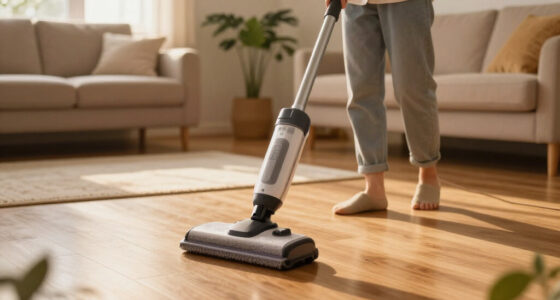
Expect a gentle hiss, intermittent clicks, and short pump pulses—not the constant roar of a vacuum. Most steam mops sit around 50–70 dBA near the operator, but flooring, room acoustics, steam output, and measurement distance all shape what you actually hear.
Comparable to a quiet office through normal or busy conversation.
Usually louder because a vacuum relies on a high-speed suction motor.
“The sharpness and rhythm of a sound can matter as much as its average decibel reading.”
dBA near the operator
fixed and repeatable
dBA, well above normal use
pump, heater, steam, floor
Not one noise, but a changing mix
A steam mop does not usually create a steady motor tone. Its sound rises and falls as water moves, the heater regulates temperature, steam leaves the head, and the cleaning pad crosses the floor.
Steam hiss
A soft, airy release at the cleaning head. Higher steam settings can make it stronger and more continuous.
Pump clicks
Intermittent water delivery can create brief knocks or pulses that stand out more than a smooth hum.
Boiler sounds
Bubbling, slight sputtering, thermostat clicks, or a low heater buzz are common during temperature changes.
Floor vibration
Textured flooring, scrub attachments, loose tanks, and carpet gliders can add scraping or rattling.
What the sound is telling you
| Sound | Pattern | Likely source | Assessment |
|---|---|---|---|
| Soft hiss | Steady or gently pulsing | Steam leaving the head | ✓ Normal |
| Click or knock | Brief and periodic | Pump, thermostat, or valve cycle | ✓ Usually normal |
| Uneven sputter | Occasional during heating | Temperature change or low water | ~ Monitor |
| Loud rattle | Continuous during movement | Loose tank, attachment, or internal part | ~ Inspect |
| Grinding | Continuous or suddenly severe | Possible pump or mechanical fault | ✗ Switch off |
Quieter than a vacuum, not silent
Steam-mop ratings are rarely standardized, so published numbers should be treated as estimates. Average and peak readings together tell a more useful story than one isolated measurement.
The same mop can feel louder elsewhere
Hard surfaces reflect sound and transmit vibration. Soft furnishings absorb it. A bare tiled bathroom may exaggerate every click, while curtains, rugs, and upholstery make an equally loud machine feel calmer.
Tile + empty rooms
Hard boundaries create more echo, while tile can emphasize vibration and movement across the floor.
Wood + vinyl
Smoother surfaces can reduce scraping, but hollow construction or uneven boards may transmit vibration.
Rugs + furnishings
Curtains, upholstered furniture, and nearby textiles absorb reflections and soften perceived loudness.
A fair comparison needs the same test conditions
Distance changes the answer. A phone beside the cleaning head may show around 65 dBA while a reading near normal standing height can be lower. Reviewer measurements are useful for comparison, but consumer phone apps are not laboratory instruments.
Know what is normal—and what is not
Brief changes in sound are part of normal operation. A sudden, sustained increase in volume or harsh mechanical noise deserves attention, especially when paired with leaks or irregular steam delivery.
Normal operating sounds
- Brief hiss while the unit warms up
- Periodic pump clicks or short knocks
- Thermostat activation during use
- Mild, temporary steam sputtering
- Light pad friction across textured flooring
Reasons to stop and inspect
- Continuous grinding or severe buzzing
- New, loud rattling that does not settle
- Repeated explosive steam sputtering
- Steam escaping around the water tank
- Noise paired with poor or irregular steam flow
Six factors that separate quieter models from noisier ones
Pump design
Intermittent pumps create sharper pulses; better isolation reduces vibration.
Steam output
Higher settings can mean more hissing and more frequent water delivery.
Build quality
Loose tanks and poorly secured components can amplify rattling.
Scale buildup
Mineral deposits may cause uneven steam, sputtering, or extra pump effort.
Water level
A nearly empty system may draw air and produce irregular noises.
Attachments
Scrubbers and carpet gliders add contact noise at floor level.
What creates the sound you perceive?
Steam mop noise FAQ
Are steam mops louder than vacuum cleaners?
Usually not. Most lack the high-speed suction motor that puts many full-size vacuums in the 70–80 dBA range.
Can I use one while someone is sleeping?
Possibly, but pump pulses and floor vibration can travel through walls or ceilings, particularly on hard floors.
Will pets be frightened by the noise?
Some react more to the hiss and movement than to volume. Keep animals safely away from hot steam and moving parts.
Does a louder steam setting clean better?
Not necessarily. More hiss indicates greater steam flow, but cleaning results also depend on heat, dwell time, pad condition, and technique.
Why does my mop click or knock?
The pump, thermostat, or valve is probably cycling. Brief periodic clicks are normal; excessive continuous knocking is not.
Is a newer model automatically quieter?
No. Fast heating, automatic control, or a combined vacuum motor can add sound. Design quality matters more than age alone.
What Does a Typical Steam Mop Sound Like During Use?
Most steam mops produce a soft hissing sound as steam escapes, combined with occasional pump clicks and bubbling from the boiler. The noise isn’t steady—it fluctuates with pump cycles and heating phases. For example, a model might hiss loudly for a few seconds, then quiet down, only to pulse again. Generally, this results in a 50–70 dBA noise level, roughly comparable to a quiet office or a normal conversation.
Imagine cleaning in a quiet house on a weekend morning. The steam mop hums gently, with brief pulses that don’t disturb anyone. But in an empty bathroom, the sound can feel more pronounced due to the way tile amplifies vibrations and reflections. Overall, expect a combination of steam hisses, clicking, and occasional rattles depending on the model and your flooring.
As an affiliate, we earn on qualifying purchases.
Why Does the Noise Fluctuate During Cleaning?
Unlike a vacuum cleaner that runs at a steady roar, a steam mop’s noise ebbs and flows because of how its components work. The pump cycles water through the heating system, causing sharp pulses. When the boiler reaches optimal temperature, you hear a brief sputter. Moving the mop over textured or uneven floors can also create a scratching or vibrating sound that varies with your motion.
For instance, when you switch from a smooth tile to a textured vinyl, the sound may seem louder or more rattly. The pump’s start-stop action and the release of steam in bursts give a lively rhythm to the noise, which can be more noticeable than a constant hum.
low noise steam mop for hardwood floors
As an affiliate, we earn on qualifying purchases.
As an affiliate, we earn on qualifying purchases.
How Flooring and Room Design Change How Loud It Feels
The room’s surfaces and furnishings shape how loud a steam mop sounds. Hard, reflective floors like tile or hardwood bounce sound waves, making the noise seem louder. Soft furnishings like rugs, curtains, and upholstered furniture absorb sound, dampening perceived noise.
Picture cleaning an empty kitchen with shiny ceramic tiles—every click and hiss echoes. Now, imagine doing the same in a furnished living room with thick rugs and plush furniture. The latter absorbs much of the sound, making it feel quieter, even if the decibel level remains similar.
In a practical sense, if you’re worried about disturbing neighbors or pets, consider the room’s design and how sound might travel through walls or floors. Sometimes, the environment makes a big difference in how loud your cleaning feels.
steam mop with adjustable steam control
As an affiliate, we earn on qualifying purchases.
As an affiliate, we earn on qualifying purchases.
Measuring Noise: Why Distance Matters
Sound levels measured directly next to the mop are not the same as what you hear from ear height or across the room. The closer you are, the louder it seems. For comparison, measurements should be taken at the same distance—usually about 1 meter away from the device—and in a consistent setting.
For example, a smartphone app might record 65 dBA right near the steam head, but from your typical standing position, it might drop to 55–60 dBA. Distance reduces perceived loudness, so don’t rely solely on initial measurements. Instead, look for reviews or videos showing the mop in action from a typical user’s perspective.
best steam mop for noise reduction
As an affiliate, we earn on qualifying purchases.
As an affiliate, we earn on qualifying purchases.
Are Steam Mops Loud Enough to Damage Your Hearing?
Ordinary steam mops usually stay below 70 dBA, which is well below the level known to cause hearing damage—generally above 85 dBA over prolonged periods. So, in most cases, noise from a steam mop is more a matter of annoyance than health risk.
However, if a unit suddenly becomes very loud, emits continuous grinding sounds, or produces explosive sputtering, it could indicate a malfunction. Avoid prolonged exposure to such noises and switch off the device if it sounds abnormal. Regular use in a typical home environment is unlikely to pose hearing risks.
What Makes One Steam Mop Louder Than Another?
Several factors influence how loud a steam mop is:
- Pump design: Intermittent pumps tend to pulse, creating sharp noise.
- Steam output: Higher settings produce more hissing and pump activity.
- Build quality: Loose tanks or poorly isolated pumps rattle more.
- Mineral buildup: Scale causes sputtering and extra effort from the pump.
- Attachments: Scrub brushes or carpet gliders add to floor noise.
For example, a cheap model with a rattling tank might be louder and more irritating than a well-built unit with sound insulation. High-end models often include quieter pumps and better vibration damping.
How New Features Impact Noise Levels
Recent models focus on convenience—faster warm-up, automatic steam control, or combination with vacuuming. These features can sometimes add noise. For example, a steam-and-vacuum combo may be louder because it has an additional motor.
Faster heating elements might produce more initial boiling sounds, and electronic controls can create slight buzzing. But these increases are usually minor. A newer model isn’t automatically quieter; it depends on how the design manages sound and vibration.
What Is Normal and When to Worry?
Normal noises include brief hiss during warm-up, periodic pump clicks, thermostat activation, and mild sputtering. These are all signs of healthy operation. If you notice continuous grinding, loud rattling, or steam escaping around the tank, it might signal an issue.
Check for worn seals, trapped air, or mineral buildup. Always follow the manual for maintenance, and avoid using descaling chemicals unless explicitly permitted. Unusual sounds should prompt inspection or professional help.
Real Questions About Steam Mop Noise
- Are steam mops louder than vacuum cleaners? Usually not. They lack high-speed suction motors, making them quieter in most cases.
- Can I use a steam mop while someone is sleeping? Possibly, but pump pulses and vibrations can travel through walls, especially on hard floors.
- Will pets be frightened by the noise? Some pets react to hissing or movement rather than loudness. Keep animals away from hot steam and moving parts.
- Does a louder steam setting mean more power? Not necessarily. It indicates more steam flow but doesn’t always mean better cleaning.
- Why does my steam mop click or knock? Likely from the pump or thermostat cycling—normal unless it’s excessively loud or continuous.
Frequently Asked Questions
Are steam mops louder than vacuum cleaners?
Generally, yes. Steam mops lack the high-speed suction motor that makes vacuums loud, so they tend to be quieter, averaging around 50–70 dBA.Can I use a steam mop while someone is sleeping?
It’s possible, especially if the room is well-insulated, but pump pulses and vibrations can still travel through walls. Use caution if noise or vibrations might disturb others.Will pets be frightened by the noise?
Some animals react more to the hissing, heat, or movement than the actual volume. Keep pets out of the way to prevent stress or accidental burns.Does a louder steam setting mean better cleaning?
Not necessarily. More hissing and noise can mean increased steam flow, but it doesn’t always translate to higher temperature or better dirt removal.Why does my steam mop make a clicking or knocking sound?
This is often caused by the pump cycling or thermostat controls. It’s normal unless it becomes excessively loud or continuous, which might indicate a problem.Conclusion
Remember, a quiet steam mop isn’t silent, but it’s usually less intrusive than a vacuum. Focus on how the sound character and fluctuations affect your space more than just decibel ratings. When shopping, look for demonstrations and reviews that show real-world noise—because what matters is how it feels during your cleaning routine. A well-chosen, quieter model can make your chores less of a disturbance and more of a breeze.Fall Picks
fall essentials
As an affiliate, we earn on qualifying purchases.