TL;DR

Get cleaning gear delivered free — and shop member deals
- Fast, free delivery on millions of items
- Access to Prime Big Deal Days deals on October 6–7
- Prime Video, Amazon Music and more included
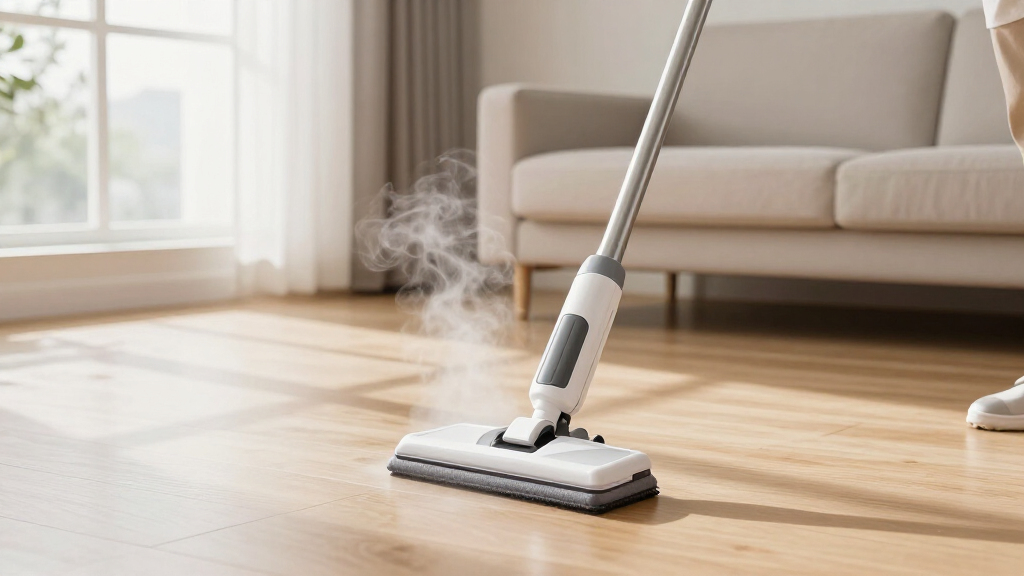
Steam mops typically use between 1000W and 1500W, which is lower than many electric cleaning devices. Recent innovations like faster heating and adjustable steam help save energy, making them an eco-friendlier option. Using a steam mop wisely can reduce your electricity bills while keeping floors spotless.
Cleaning your floors doesn’t have to drain your electricity or harm the environment. With advances in technology, steam mops have become not just effective but also surprisingly energy-efficient. If you’re curious about how they stack up against other cleaning tools in terms of power use, you’re in the right place.
Today, we’ll explore the real energy footprint of steam mops, what features help cut down on waste, and how you can get the most eco-friendly cleaning out of your device. Because a cleaner home shouldn’t come at the cost of higher energy bills or environmental impact.
Most steam mops operate between 1000W and 1500W, making them less energy-intensive than many vacuum cleaners.
Features like rapid heating, adjustable steam, and smart indicators help maximize energy savings.
Proper operation—preheating only when needed, using lower steam levels, and turning off promptly—further reduces waste.
Choosing eco-friendly models with recyclable materials can lessen environmental impact.
Using a steam mop efficiently can lower your energy bills while keeping floors sanitized.
How Much Electricity Do Steam Mops Use Compared to Other Devices?
Steam mops generally run between 1000W and 1500W, which is quite modest. For comparison, a typical vacuum cleaner often uses around 1500W to 2000W, while a small portable heater can easily top 1500W. This means a steam mop consumes less power during a cleaning session.
Imagine cleaning your kitchen floor for 20 minutes. A steam mop at 1200W might use about 0.4 kWh of electricity. That’s roughly the same as running a small LED light for 40 hours. Over time, that adds up to noticeable savings on your energy bill.
In real-world terms, using a steam mop thoughtfully can cut your cleaning energy costs, especially if you’re replacing heavier, power-hungry appliances or multiple cleaning passes.
Understanding the energy consumption of your cleaning devices is crucial because it directly impacts your electricity bill and environmental footprint. While the difference between devices may seem small per session, habitual use can lead to significant cumulative savings and reduced carbon emissions. Choosing a device that balances cleaning effectiveness with lower power use helps promote sustainable living.
As an affiliate, we earn on qualifying purchases.
What Tech Features Make Steam Mops Use Less Energy?
Modern steam mops now come with features designed to save energy. Rapid heating elements mean they reach steam-ready temperatures in 30 seconds to 2 minutes, cutting down waiting time and unnecessary power drain.
Adjustable steam controls let you dial down steam power for lighter cleaning, which uses less energy. Some models have smart indicators that show when the device is ready or when water is low, preventing unnecessary energy waste.
Picture a high-tech steam mop with a digital display showing your steam level and water temperature. You can fine-tune your cleaning, saving energy and extending the device’s lifespan.
These technological advancements are not just about convenience; they directly influence energy efficiency. Faster heating reduces idle time, while adjustable settings prevent overuse of steam—especially important for delicate surfaces or light cleaning tasks. Smart features help users avoid leaving devices on unnecessarily, which is a common source of energy waste. Investing in these features can lead to long-term savings and a smaller environmental footprint, making your cleaning routine both effective and eco-friendly.
adjustable steam mop with rapid heating
As an affiliate, we earn on qualifying purchases.
As an affiliate, we earn on qualifying purchases.
Compare: Traditional Mopping, Vacuuming, and Steam Cleaning
| Method | Energy Use | Effectiveness | Environmental Impact |
|---|---|---|---|
| Traditional Mopping | Low (water + manual effort) | Moderate (depends on skill) | Low (minimal chemicals, water) |
| Vacuum Cleaner | 1500-2000W | High (deep cleaning, debris removal) | Moderate (electricity + filters) |
| Steam Mop | 1000-1500W | High (sanitizes with steam) | Low (no chemicals, less water) |
This side-by-side comparison illustrates that steam mops offer a balanced approach: they consume less energy than vacuums and still deliver effective, sanitized cleaning without the need for harsh chemicals. While traditional mopping is low energy, it often requires more physical effort and may not achieve the same level of sanitation. Vacuum cleaners, although powerful, tend to use more energy and can generate waste from filters and bags. Steam mops, with their moderate energy use, combine efficiency with effectiveness, especially when considering environmental impact. Choosing the right method depends on your cleaning priorities, but understanding these differences helps you make more informed, eco-conscious decisions.
As an affiliate, we earn on qualifying purchases.
How to Maximize Energy Savings When Using a Steam Mop
- Preheat only when ready to clean—most models heat up in under 2 minutes.
- Use the lowest effective steam setting for light dirt.
- Clean in shorter, focused sessions instead of long, continuous runs.
- Maintain your device—descale and clean water tanks regularly to keep heating efficient.
- Consider models with smart features, like automatic shutoff and water level indicators.
Implementing these practices not only conserves energy but also prolongs your device’s lifespan. For instance, preheating only when necessary prevents needless power consumption, while using lower steam settings for light cleaning reduces energy use without sacrificing cleanliness. Short, focused cleaning sessions minimize idle time and unnecessary heating cycles. Regular maintenance ensures your device operates at peak efficiency, preventing energy waste caused by mineral buildup or malfunction. Choosing models with smart features adds an extra layer of energy conservation, as automatic shutoff prevents accidental power drain. Overall, these tips help you become a more efficient, eco-conscious cleaner, saving money and reducing your environmental impact.
As an affiliate, we earn on qualifying purchases.
Are Eco-Friendly and Smart Features Worth It?
Features like rapid heating, adjustable steam, and smart indicators help cut down on unnecessary energy use. For example, a model that heats up instantly and shows when steam is ready prevents you from leaving it on longer than needed.
Many consumers find that these features not only save energy but also make cleaning easier and faster. Additionally, eco-friendly materials and recyclable parts contribute to reducing the device’s overall environmental footprint, aligning with broader sustainability goals. Investing in such features may have a higher upfront cost, but the long-term savings in energy and the positive environmental impact often outweigh this initial expense. These smart and eco-conscious features represent a thoughtful approach to cleaning—where convenience, efficiency, and sustainability intersect, ultimately leading to more responsible consumption and less waste.
What Are the Hidden Ways You Might Waste Energy With a Steam Mop?
Leaving the device on when not actively cleaning, or pre-heating multiple times in a row, wastes energy. Also, using the highest steam setting for light cleaning can lead to unnecessary power use, which adds up over time. These habits may seem minor but can significantly increase your energy consumption and reduce your device’s lifespan.
For example, if you forget to turn off your steam mop after a quick clean, it continues to draw power needlessly, contributing to higher bills. Similarly, repeatedly pre-heating the device when not in use wastes energy and causes unnecessary wear on the heating elements. Using higher steam settings for light dirt not only wastes energy but can also damage delicate floors, leading to potential repairs or replacements. Being mindful of these habits and understanding your device’s energy indicators can help you avoid common pitfalls. Properly managing your steam mop—turning it off when not in use, preheating only when needed, and selecting appropriate steam levels—can make a meaningful difference in your overall energy consumption and device longevity.
Frequently Asked Questions
Do steam mops really save energy compared to traditional mops?
Yes. Steam mops use less electricity than vacuum cleaners and require fewer cleaning passes, especially when used with energy-efficient features. They also cut down on water and chemical use, making them a smarter choice overall.
How much power does a typical steam mop consume in a cleaning session?
Most operate between 1000W and 1500W, which means a 20-minute cleaning session uses roughly 0.33 to 0.5 kWh of energy—less than many household appliances like small refrigerators or LED TVs.
Can I really cut my energy bills by switching to a steam mop?
Potentially yes, especially if you replace more power-hungry devices or do longer cleaning sessions. Properly using energy-saving features and avoiding unnecessary preheating can make a noticeable difference.
What features should I look for to improve energy efficiency?
Look for rapid heating technology, adjustable steam controls, smart indicators, and automatic shutoff. These features help you avoid wasting energy during cleaning.
Are steam mops safe for all floor types?
They are safe for many surfaces, including tile, vinyl, and sealed hardwood, but always check your manufacturer’s guidance. Testing in a hidden area first prevents potential damage, especially on laminate or unsealed surfaces.
Conclusion
Steam mops stand out as a surprisingly energy-conscious choice for everyday cleaning. With smart features and mindful use, they can help you cut bills and reduce your carbon footprint.
Next time you reach for that device, remember: a little efficiency goes a long way—your floors, wallet, and planet will thank you.
Fall Picks
fall essentials
As an affiliate, we earn on qualifying purchases.