TL;DR
Open a free Amazon Business account
Business pricing, bulk buying and tax-exempt orders.
Create a free accountAs an affiliate, we earn on qualifying purchases.
Steam mops use high heat to kill many mold spores on hard surfaces, but they aren’t a complete solution for deep or porous mold. Combining steam cleaning with moisture control offers the best mold prevention and removal strategy.
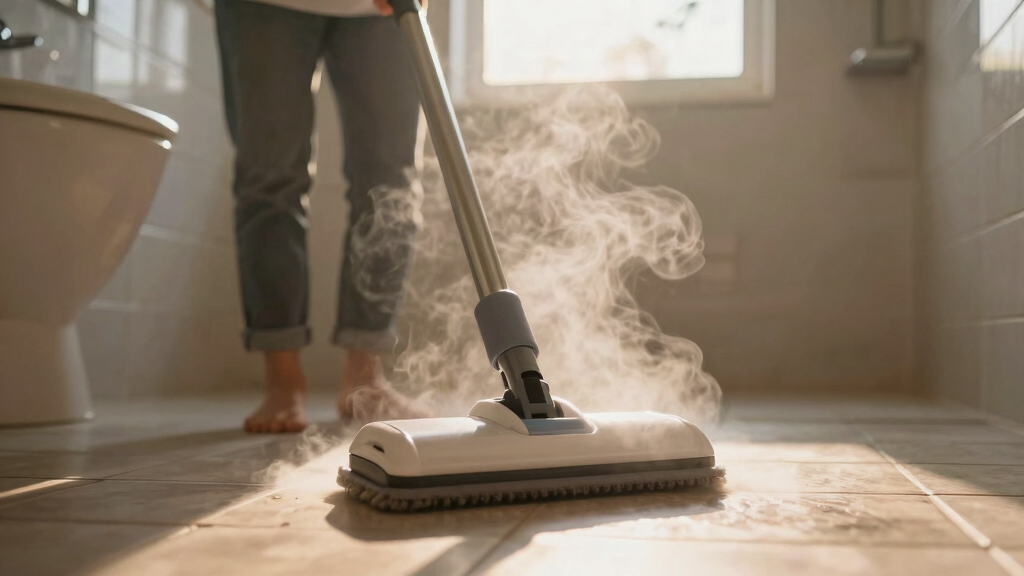
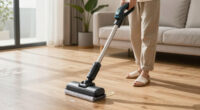
Imagine steam rising in a cloud, sizzling as it hits a moldy tile. That’s the core idea behind using a steam mop for mold: heat that can potentially kill spores on contact. But does it really wipe out all mold, or just the surface?
If you’re tired of scrubbing moldy grout or mildewy floors, you’ve probably wondered if that steaming device can do more than just clean—it might actually kill mold and mildew. Here’s what you need to know to use steam safely and effectively for mold control.
Steam mops can kill mold spores on hard, sealed surfaces when used properly.
They are less effective on porous, textured, or deeply embedded mold—additional removal may be needed.
Always test surfaces first and dry thoroughly after steaming to prevent mold regrowth.
Modern steam mops with adjustable heat improve mold-fighting power but aren’t a cure-all.
For large or persistent mold problems, professional remediation remains the safest route.
Can a Steam Mop Kill Mold and Mildew?
Yes—high-temperature steam can kill many mold spores on hard, sealed surfaces. But steam is a surface tool, not a complete remedy for porous materials, hidden colonies, or the moisture problem feeding the growth.
Combine controlled steam exposure with prompt drying, ventilation, and moisture correction for a safer, longer-lasting result.
Heat disrupts surface spores
A steam mop transfers intense heat to the cleaning surface. On tile, sealed vinyl, and other non-porous finishes, sufficient temperature and contact time can substantially reduce mold and mildew. Penetration—not raw temperature—is the limiting factor.
Generate
Water is heated into high-temperature vapor, commonly above the boiling point.
Contact
The mop head holds heat against visible surface growth for a controlled interval.
Disrupt
Heat damages many exposed spores and loosens residue for physical removal.
Dry
Immediate drying removes leftover moisture that could otherwise fuel regrowth.
Where steam succeeds—and where it stops
Smooth, sealed materials keep mold near the surface and tolerate controlled moisture. Porous materials can conceal root-like growth and trap water, making steam less effective and sometimes counterproductive.
Hard + sealed
Tile, sealed vinyl, laminate rated for steam, and manufacturer-approved sealed hardwood.
Steam can directly reach and loosen surface colonies.Textured + jointed
Grout, seams, crevices, and worn coatings may hold spores below the visible face.
Slower passes and thorough drying are essential.Porous + delicate
Drywall, fabric, unsealed wood, unglazed ceramic, and moisture-sensitive finishes.
Removal, replacement, or specialist treatment may be needed.| Surface | Steam fit | Heat reach | Moisture risk | Recommended response |
|---|---|---|---|---|
| Sealed ceramic tile | ✓ Strong | ✓ Direct | ~ Low–moderate | Steam, wipe residue, dry fully |
| Sealed vinyl | ✓ Good | ✓ Direct | ~ Check seams | Use approved setting; avoid pooling |
| Sealed hardwood | ~ Conditional | ~ Surface only | ~ Warping risk | Follow flooring maker guidance |
| Grout | ~ Variable | ~ Limited depth | ~ Retains water | Steam slowly; scrub and dry |
| Drywall / unsealed wood | ✗ Poor | ✗ Incomplete | ✗ High | Assess removal or remediation |
| Delicate fabric | ✗ Avoid | ✗ Uneven | ✗ Damage risk | Use material-specific treatment |
A five-step steam routine
Technique determines whether heat becomes a useful mold-control tool or simply adds more moisture. Work in small sections, protect yourself from hot vapor, and finish every pass with active drying.
Patch-test the surface
Treat a hidden area, then wait 24 hours to check for discoloration, lifting, or warping.
Prepare and ventilate
Vacuum loose debris, open airflow paths, and wear gloves plus eye protection.
Select controlled high heat
Use the hottest surface-safe setting and a clean mop pad; follow the appliance manual.
Treat small sections
Move slowly over each affected spot for roughly 30–60 seconds without soaking it.
Remove residue and dry
Wipe with a clean cloth, improve airflow, and leave no trapped surface moisture.
Steam’s effectiveness falls with depth
This relative suitability chart shows the practical pattern: steam performs best when growth is exposed on a compatible surface. Hidden moisture, porous substrates, and recurring colonies require a broader response.
The complete mold-control chain
Common questions, clearly answered
Modern steam mops offer adjustable output, improved nozzles, and temperatures approaching 230°F. Those advances improve control, but they do not change the basic limits of surface penetration.
Can a steam mop completely eliminate mold?
Not reliably. It can kill much of the exposed mold on hard, sealed surfaces, but hidden or embedded growth may survive.
Is steam safe for every floor?
No. Avoid unsealed wood, unglazed ceramic, delicate fabrics, and any finish whose manufacturer prohibits steam.
How long should each spot be treated?
Roughly 30 seconds to one minute is a practical target, provided the surface tolerates the heat and is not saturated.
Will steam stop mold from returning?
Steam reduces existing surface growth. Prevention depends on fixing leaks, lowering humidity, improving ventilation, and drying promptly.
Are chemical cleaners still necessary?
Sometimes. Severe or embedded contamination may require material removal, mold-specific treatment, or professional remediation.
What do newer steam mops improve?
Adjustable heat, stronger output, targeted nozzles, and digital controls can make treatment more consistent and surface-specific.
How Steam Mops Fight Mold — And What They Can’t Do
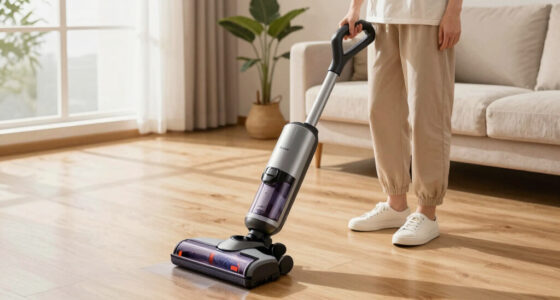
Steam mops generate high-temperature steam—usually above 212°F (100°C)—which can kill many mold spores on contact. When you steam a tile floor or sealed vinyl, the heat penetrates the surface, destroying the mold’s tiny, unseen spores.
For example, a homeowner notices mildew in their bathroom grout. Running a steam mop over the tiles for 30 seconds can significantly reduce visible mold. But if the mold is deeply embedded in porous materials like drywall or unsealed wood, steam alone often falls short.
Research shows that mold spores generally die at temperatures over 140°F (60°C). Most steam mops reach these temps, but effectiveness depends on exposure time and surface type. That’s why steam works well on hard, sealed surfaces but less so on porous or textured materials.
Understanding these limitations is crucial because relying solely on steam can give a false sense of complete cleanliness. Mold spores can hide in microscopic crevices or porous substrates, where heat may not penetrate sufficiently. Overestimating steam’s capabilities might lead to neglecting necessary removal or remediation steps, allowing mold to persist or recur. Recognizing when steam is enough versus when professional intervention is needed helps prevent ongoing health risks and property damage.

Shark Steam Mop for Sealed Hard Floors with 2 Dirt Grip Pads, White, S1000
- Chemical-Free Sanitization: Removes grease with steam only
- Removable Water Tank: Easy to refill for continuous cleaning
- Lightweight Design: Under 5 lbs for easy handling
As an affiliate, we earn on qualifying purchases.
As an affiliate, we earn on qualifying purchases.
Surface vs. Embedded Mold: What Steam Can and Can’t Tackle
| Surface Mold | Embedded Mold |
|---|---|
| High heat can kill spores on smooth, sealed surfaces like tile, vinyl, or sealed hardwood. | Porous materials like drywall, unsealed wood, or fabric often harbor mold deep inside, where steam may not reach or kill all spores. |
For example, a kitchen tile backsplash with mold spots responds well to steam. But a moldy wall behind a bathroom cabinet likely needs more than just steam—like removal and replacement.
While steam can significantly reduce visible mold, it doesn’t always penetrate porous surfaces or fully sanitize hidden spores. This distinction matters because superficial cleaning might only provide temporary relief if the root causes and hidden colonies aren’t addressed. Relying solely on steam without understanding the nature of the mold infestation risks ongoing health issues and structural damage, especially if spores remain embedded in porous materials. Combining steam with physical removal, chemical treatments, or replacement ensures a more comprehensive approach to mold eradication.

10-in-1 Steam Mop, Detachable Handheld Steam Cleaner for Multi-Surface
- Quick Heat-Up: Heats in 10 seconds for instant steam
- Multi-Surface Compatibility: Cleans carpets, tiles, windows, and more
- Detachable Mop Head: Easily remove and clean the mop head
As an affiliate, we earn on qualifying purchases.
As an affiliate, we earn on qualifying purchases.
How to Use a Steam Mop Safely Against Mold
- Test first: Choose a small, hidden area on your surface. Wait 24 hours to check for damage or discoloration.
- Prepare the area: Clear debris, vacuum loose dirt, and ensure good ventilation.
- Use the right settings: Adjust steam output for maximum heat—most modern units have controls for this.
- Steam in sections: Slowly move the mop over the moldy area for about 30 seconds to a minute, ensuring the surface stays moist but not soaked.
- Dry thoroughly: Wipe with a clean cloth or let the surface air-dry to prevent leftover moisture from encouraging new mold growth.
For example, if you’re treating mold on a sealed ceramic tile floor, follow these steps, and always wear gloves and eye protection. Remember, steam alone isn’t a cure-all—combine with regular cleaning and moisture control.
Proper technique and timing are important because uneven heat distribution or insufficient exposure can lead to incomplete mold killing. Overly wet surfaces or prolonged steam application can also cause damage or promote mold growth if not dried properly. Being aware of these nuances ensures you maximize the benefits of steam cleaning while minimizing potential drawbacks.

Steam Cleaner, Portable Steamer for Cleaning with 16pcs Accessories, 6-Level Adjustable and 15s Heat-Up, Handheld Steam Cleaner for Home, Tile, Dirt, Grout, Grease, Car Detailing
- Quick Heat-Up Time: Heats in 15 seconds to 221°F
- Adjustable Steam Levels: 6-level touch control for precision
- High-Temperature Steam: Releases 221°F steam at 3BAR pressure
As an affiliate, we earn on qualifying purchases.
As an affiliate, we earn on qualifying purchases.
Limitations of Steam for Mold – When to Call a Pro
Steam mops aren’t magic. They target surface mold but often leave spores inside porous materials untouched. Deeply embedded mold, persistent mildew, or large infestations require more robust methods.
For example, if mold covers more than 10 square feet or keeps returning after cleaning, it’s time to consult a professional. They can assess moisture issues, remove contaminated materials, and apply specialized fungicides.
Using steam on its own won’t fix underlying problems like leaks or humidity—these are the real culprits behind mold growth.
So, consider steam as part of a broader mold prevention plan, not a lone solution.
Ignoring these signs or attempting to treat severe mold problems with steam alone can lead to health risks and ongoing damage. Professional remediation involves thorough inspection, targeted removal, and addressing root causes, which steam cleaning cannot effectively do. Recognizing when to escalate your efforts ensures a safer, more lasting solution to mold issues.

10-in-1 Steam Mop, Detachable Handheld Steam Cleaner for Multi-Surface
- Quick Heat-Up: Heats up in 10 seconds for instant use
- Multi-Surface Compatibility: Cleans carpets, tiles, windows, and more
- Detachable Mop Head: Easy to remove and clean
As an affiliate, we earn on qualifying purchases.
As an affiliate, we earn on qualifying purchases.
Recent Tech Improvements Making Steam More Mold-Friendly
Modern steam mops now feature adjustable temperature controls, better nozzle designs, and higher steam output, making them more capable of tackling mold. Some units reach temperatures close to 230°F (110°C), increasing their disinfecting power.
For example, a new model with a digital temperature display lets you set precisely 220°F, targeting mold spores more effectively. These innovations make steam cleaning safer and more reliable for mold control.
Plus, eco-friendly trends mean fewer chemicals and more reliance on heat alone. But remember, even the best steam mops won’t do the job for deep or porous mold issues.
These technological advancements matter because they enhance the sterilization process, reducing the need for chemical disinfectants and making routine cleaning more effective. However, it’s important to understand that higher temperatures and better designs can’t replace proper mold removal strategies for embedded or extensive infestations. They do, however, expand the range of situations where steam can be a valuable part of your mold-fighting arsenal.
Frequently Asked Questions
Can a steam mop completely eliminate mold and mildew?
Steam mops can effectively kill surface mold on hard, sealed surfaces, but they often aren’t enough for mold embedded in porous materials. For full eradication, especially in hidden areas, other cleaning and removal methods are usually necessary.
Is steam cleaning safe for all surfaces?
Generally, yes—on sealed tile, vinyl, and sealed hardwood. Avoid using a steam mop on unsealed wood, unglazed ceramic, or delicate fabrics, as excess moisture can cause damage or warping.
How long should I use a steam mop on mold-affected areas?
Typically, about 30 seconds to a minute per spot is enough—just enough to thoroughly heat and treat the surface. Always dry the area afterward to prevent moisture from encouraging new mold growth.
Can steam cleaning prevent mold from returning?
Steam helps reduce existing mold, but controlling humidity, fixing leaks, and ensuring good ventilation are key to preventing mold’s comeback. Steam is part of a broader prevention strategy.
When should I hire a professional instead of DIY steam cleaning?
If mold covers more than 10 square feet or keeps returning despite cleaning, professional remediation is safest. They can handle deep-seated mold, moisture issues, and use specialized products for complete removal.
Conclusion
Steam mops are a helpful tool for tackling surface mold on certain hard surfaces, but they’re not a silver bullet. Think of them as part of your mold-fighting toolkit—best paired with moisture control, thorough cleaning, and, when needed, professional help.
Next time you steam those tile floors, remember: heat can be mighty but isn’t a magic wand. Keeping your home dry and well-ventilated is your best line of defense against mold’s sneaky comeback.
Grilling season Picks
grills
As an affiliate, we earn on qualifying purchases.