TL;DR

Get cleaning gear delivered free with Prime
- Fast, free delivery on millions of items
- Prime Video, Amazon Music and more included
- Member-only deals all year
Steam mops clean faster, sanitize more effectively, and reduce chemical use compared to hand mopping. They can save time and improve hygiene, but come with higher upfront costs and surface limitations.
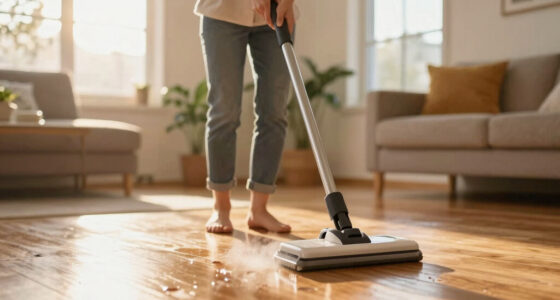
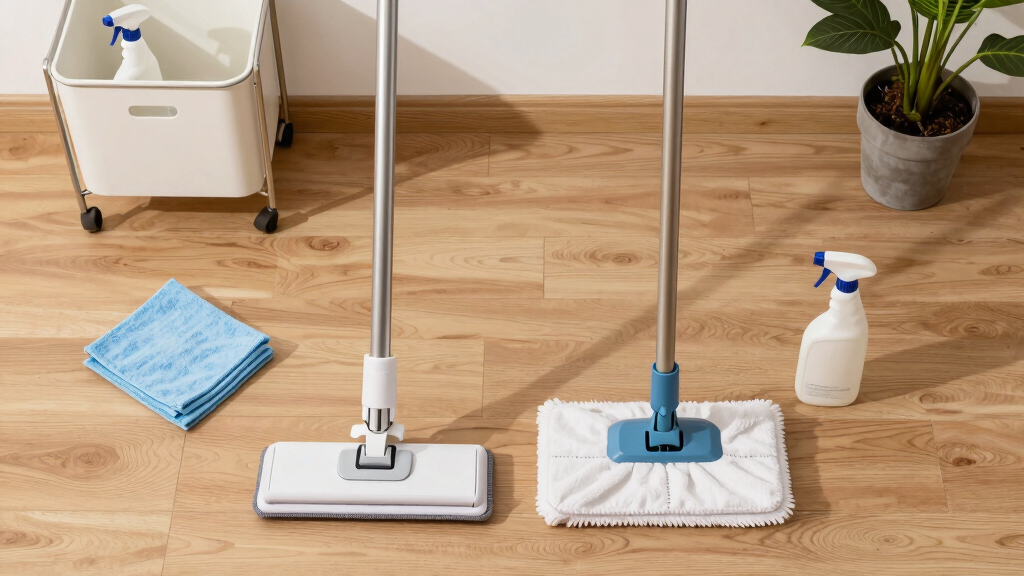
Imagine gliding a steam mop across your kitchen floor — the rich, warm steam loosening dirt while leaving your space smelling fresh and clean. Now, picture the effort involved in traditional mopping—scrubbing, wringing, and dragging a heavy bucket. The question is: does upgrading to a steam mop really make cleaning easier, faster, and better? In this guide, you’ll see how steam mops stack up against mopping by hand, with real-world examples and practical tips. If you’re tired of the backbreaking work of manual mopping or curious if a cleaner, more hygienic solution exists, stick around.
Steam mops sanitize floors effectively, killing up to 99.9% of bacteria without chemicals.
They save time and effort compared to traditional mopping, especially on large surfaces.
Not all floors are suitable for steam; always test a small area first.
The initial cost is higher, but long-term savings on cleaning products and time make it worthwhile.
Recent tech improvements make steam cleaners more versatile and user-friendly.
Does a steam mop clean better than hand mopping?
Steam mops use high-temperature steam—often above 200°F—to loosen dirt, grime, and kill germs. This intense heat alters the physical properties of contaminants, breaking down sticky residues and dissolving oils more effectively than manual scrubbing alone. When you scrub with a mop and chemical cleaner, you’re relying on physical friction and chemical reactions to dislodge and dissolve dirt. In contrast, steam penetrates tiny pores in tiles and grout, reaching areas that manual cleaning might miss. According to Steam Mop List, steam cleaning can eliminate up to 99.9% of bacteria, which is crucial for hygiene, especially in households with children or pets. This high-temperature sterilization means fewer chemical residues left behind, reducing potential allergic reactions or chemical sensitivities. The implication here is that steam cleaning not only cleans surface-level dirt but also sanitizes deeply, which can significantly reduce the risk of germs spreading or causing illness. However, effectiveness still depends on the type of surface and the nature of the soil—heavily caked-on grime may require pre-treatment or multiple passes. The deeper penetration of heat and moisture means that, for routine cleaning, steam mops can achieve a level of cleanliness that’s difficult to match with manual scrubbing and chemicals, especially when hygiene is a priority.
As an affiliate, we earn on qualifying purchases.
How much effort does each method really take?
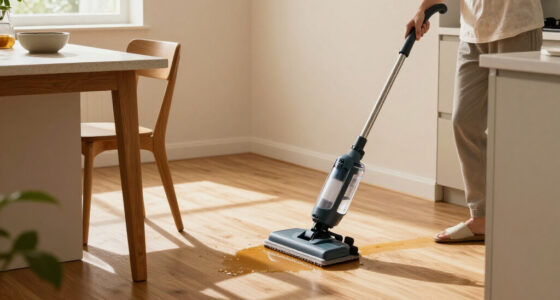
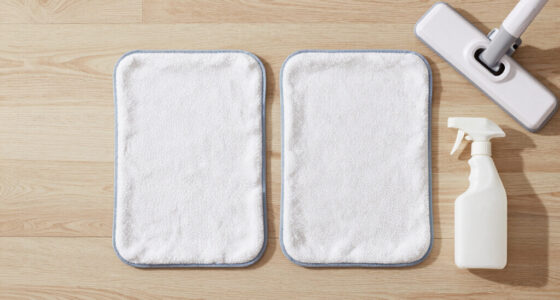
Imagine spending 30 minutes scrubbing a kitchen floor with a mop and bucket. The physical exertion involved can lead to fatigue, sore muscles, and even neglect of regular cleaning due to the effort required. Now, picture gliding a steam mop over the same area—its lightweight design, swivel head, and simple operation drastically reduce physical strain. Because steam mops heat water in a compact tank and release steam through a microfiber pad, they eliminate the need for heavy buckets and repeated wringing. This design means less physical effort, less bending, and less time spent on each cleaning session. The ergonomic benefits are significant: users often report that cleaning with a steam mop feels more like a quick glide than a strenuous chore. Additionally, the efficiency of steam mops can cut cleaning time in half, freeing up your schedule. The tradeoff is that steam mops require some setup—filling the water tank and allowing it to heat—yet this is minimal compared to the effort of manual mopping. Overall, the reduced physical effort not only makes cleaning less tiring but also encourages more frequent cleaning, which can lead to better-maintained floors and healthier living environments.
As an affiliate, we earn on qualifying purchases.
Is it actually healthier and more hygienic?
Steam mops kill bacteria, viruses, and dust mites through the application of extremely high heat—often exceeding 200°F—without the need for chemical disinfectants. This process denatures proteins and destroys cell membranes of germs, effectively sterilizing surfaces. The importance of this lies in the fact that many household pathogens, including flu viruses, bacteria like E. coli, and dust mites, can cause allergies or illness. By eliminating these microbes at their source, steam cleaning reduces the risk of cross-contamination and disease transmission, especially in households with vulnerable individuals. The absence of chemicals also means fewer fumes and residues, which is particularly beneficial for allergy sufferers, children, and pets. The long-term health implications are significant: regular use of steam can lead to a cleaner indoor environment with fewer airborne allergens and irritants. This method also reduces chemical exposure, which is crucial for those with sensitivities or respiratory issues. The tradeoff is that the effectiveness depends on proper technique—if the steam doesn’t reach all areas or if surfaces aren’t suitable, some germs may persist. Nonetheless, the ability of steam to sanitize deeply makes it a compelling choice for maintaining a healthier home environment without relying on potentially harmful cleaning agents.
As an affiliate, we earn on qualifying purchases.
What about cost and long-term savings?
Entry-level steam mops typically start around $50 to $100, but investing in a higher-quality model—often exceeding $200—can provide additional features like variable steam settings, larger water tanks, and cordless operation. While the initial expense is higher than a traditional mop and bucket, it’s important to consider the ongoing costs associated with cleaning supplies. Chemical cleaners, disinfectants, and specialty floor solutions can add up over time, especially if used frequently. In contrast, steam mops primarily require water—preferably distilled to prevent mineral buildup—and occasional descaling, which is generally inexpensive. This shift from chemical to water-based cleaning reduces recurring expenses and minimizes environmental impact. Furthermore, because steam mops can achieve better sanitation and surface cleanliness, you may need to re-clean less often, saving both time and resources. Over several years, the durability of quality steam mops makes them a cost-effective investment, particularly if they replace multiple cleaning tools and products. The tradeoff involves the upfront cost and maintenance, but the long-term savings in cleaning products, health benefits from better sanitation, and time efficiency often outweigh initial expenses, making it a financially sensible upgrade for many households.
chemical-free floor cleaning steam mop
As an affiliate, we earn on qualifying purchases.
As an affiliate, we earn on qualifying purchases.
Are all floors safe for steam cleaning?
Steam mops work best on sealed, hard surfaces like ceramic tile, vinyl, and sealed hardwood, where the surface is impervious to moisture and heat. For example, a kitchen with glazed ceramic tiles and sealed laminate floors can withstand steam cleaning without damage. However, unsealed wood, natural stone like marble or limestone, and delicate surfaces are more vulnerable. The moisture and heat can cause unsealed wood to warp or stain, and natural stones may absorb water, leading to discoloration or damage. The implications are that, without proper precautions, using a steam mop on unsuitable surfaces can result in costly repairs or replacements. Always test a small, inconspicuous area first—if the floor shows any signs of warping, discoloration, or staining, avoid steam cleaning that surface. Consulting your floor manufacturer’s guidelines is essential to prevent damage. When in doubt, opt for damp mopping with gentle cleaning solutions or specialized cleaning methods suited for sensitive surfaces. Recognizing surface limitations ensures you maintain the longevity and appearance of your floors while enjoying the benefits of steam cleaning where appropriate.
What’s new in steam mop tech — is it better than before?
Recent advancements include features like adjustable steam settings, which allow you to tailor the heat and moisture level to different floor types, reducing the risk of damage. Cordless models have gained popularity, providing greater maneuverability and ease of use, especially in large or multi-room areas. Larger water tanks mean less frequent refilling, enabling longer cleaning sessions without interruption. Some models now connect to smartphone apps that send maintenance alerts or provide usage tips, helping users optimize performance and prolong device lifespan. Sensors that detect floor types and automatically adjust steam output improve efficiency and safety, ensuring the right amount of steam is used without overexposing delicate surfaces. Hybrid models combine traditional mopping with steam cleaning, offering versatility for various messes and surfaces. These innovations make steam mops more adaptable, convenient, and effective for everyday cleaning routines. However, they often come at a higher price point, which may be a consideration for budget-conscious consumers. The overall implication is that technology continues to evolve, making steam cleaning more accessible and effective, but also prompting consumers to evaluate whether the added features justify the investment based on their specific needs.
Should you upgrade to a steam mop? The quick answer.
If you value convenience, better hygiene, and faster results, a steam mop is worth considering. It’s especially useful in homes with pets, kids, or allergy sensitivities. But, if your floors are unsealed or you’re on a tight budget, traditional mopping might still do the job. The decision hinges on weighing the importance of sanitation, ease of use, and long-term savings against the initial investment and surface compatibility. For households prioritizing health and efficiency, the deep cleaning and sterilization capabilities of modern steam mops often justify the cost, leading to a cleaner, healthier home environment. Conversely, if your floors are sensitive or you prefer a lower upfront expense, sticking with conventional methods makes sense. Ultimately, the choice should align with your cleaning priorities, surface types, and budget constraints. The key takeaway is that a steam mop isn’t just a luxury—it’s a strategic tool that can significantly enhance your cleaning routine if used appropriately.
Frequently Asked Questions
Can I use any water in a steam mop?
Most models recommend using distilled or filtered water to prevent mineral buildup. Regular tap water can cause scaling, which shortens the device’s lifespan. Always check your manufacturer’s guidance for best results.
How often should I steam clean my floors?
For most households, once a week or bi-weekly is enough to keep floors hygienic. High-traffic areas may need more frequent cleaning. Adjust based on your household’s needs and floor condition.
Is a steam mop safe for hardwood floors?
It depends. If your hardwood is sealed and approved for steam, it can be safe. Always test a small hidden patch first. Avoid steam on unsealed or delicate wood, which can warp or stain.
Do steam mops really kill germs?
Yes, the high heat of steam can kill up to 99.9% of bacteria and viruses, making it a very effective disinfectant for your floors without chemicals.
Conclusion
Upgrading to a steam mop can transform your cleaning routine—faster, safer, and more hygienic. But it’s not a one-size-fits-all fix. Consider your floors, budget, and health needs before making the switch.
Imagine a floor so clean you can see your reflection, without the harsh smell of chemicals. That’s the promise of steam cleaning—simple, effective, and good for your home and the planet.
Halloween Picks
halloween
As an affiliate, we earn on qualifying purchases.