
TL;DR

Get cleaning gear delivered free with Prime
- Fast, free delivery on millions of items
- Prime Video, Amazon Music and more included
- Member-only deals all year
Steam mops sanitize floors with high-temperature steam, ideal for germ-killing and quick clean-ups. Spin mops rely on manual wringing for versatile cleaning but lack inherent sanitization. Your choice depends on cleaning goals, floor type, and effort you’re willing to put in.
When it comes to keeping your floors spotless, you might think all mops do the same job. But the differences between a steam mop and a spin mop can dramatically change how you clean and what results you get.
Imagine this: one tool sterilizes as it cleans, the other offers control over moisture and scrubbing power. Knowing which one fits your home’s needs can save time, effort, and even protect your surfaces. This guide cuts through the hype to show you the real differences—and helps you pick what’s right for your floors.
Steam mops excel at sanitizing with high-temperature steam, killing up to 99.9% of germs without chemicals.
Spin mops are more versatile for different floor types but require manual effort and frequent head replacements.
Always check your floor’s manufacturer guidance; avoid steam on unsealed or delicate surfaces.
Modern steam and spin mops feature innovations like adjustable settings and ergonomic designs, making cleaning easier.
Your choice should consider surface compatibility, budget, effort, and whether sanitization or versatility matters most.
What is a Steam Mop and Why It’s Perfect for Germ-Free Floors
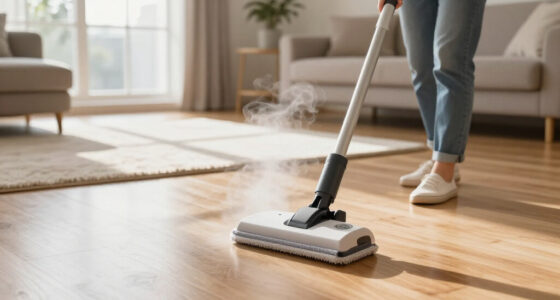
A steam mop heats water to produce hot steam that sanitizes and cleans in one go. It’s especially effective against germs, bacteria, and dust mites. For example, if you’re worried about allergens or want a chemical-free clean, a steam mop is a smart choice.
Imagine quickly disinfecting your sealed hardwood or tile floors with nothing but water. That’s the power of a steam mop—no chemicals needed, just pure heat. But it’s not all perfect; some surfaces like unsealed wood or delicate vinyl might not handle steam well.
Understanding why steam mops excel at sanitization is crucial: the high-temperature steam penetrates microscopic crevices in the flooring, effectively killing germs and bacteria that can cause illness or allergies. This means you’re not just cleaning the surface, but also reducing health risks associated with microbial contamination. However, this strength can be a double-edged sword—certain delicate or porous surfaces can absorb moisture or warp under prolonged steam exposure, leading to damage or mold growth. Therefore, knowing your floor type and how it reacts to heat and moisture is essential to avoid costly mistakes and ensure longevity of your surfaces.
best steam mop for hardwood floors
As an affiliate, we earn on qualifying purchases.
As an affiliate, we earn on qualifying purchases.
How a Spin Mop Cleans Versus a Steam Mop: The Manual vs. Automated Battle
| Feature | Steam Mop | Spin Mop |
|---|---|---|
| Cleaning Method | Uses hot steam to loosen dirt and kill germs | Manual scrubbing with a microfiber or cotton head |
| Sanitization | High—kills up to 99.9% of germs | Depends on cleaning solution and rinsing |
| Ease of Use | Lightweight, quick setup, good for quick cleans | Requires physical effort, especially wringing |
| Floor Compatibility | Best on sealed, hard surfaces | Versatile for many hard floors, textured surfaces included |
| Maintenance | Replace pads, refill water tank | Replace mop head, clean spinning mechanism |
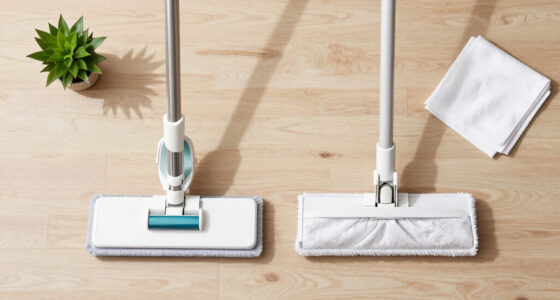
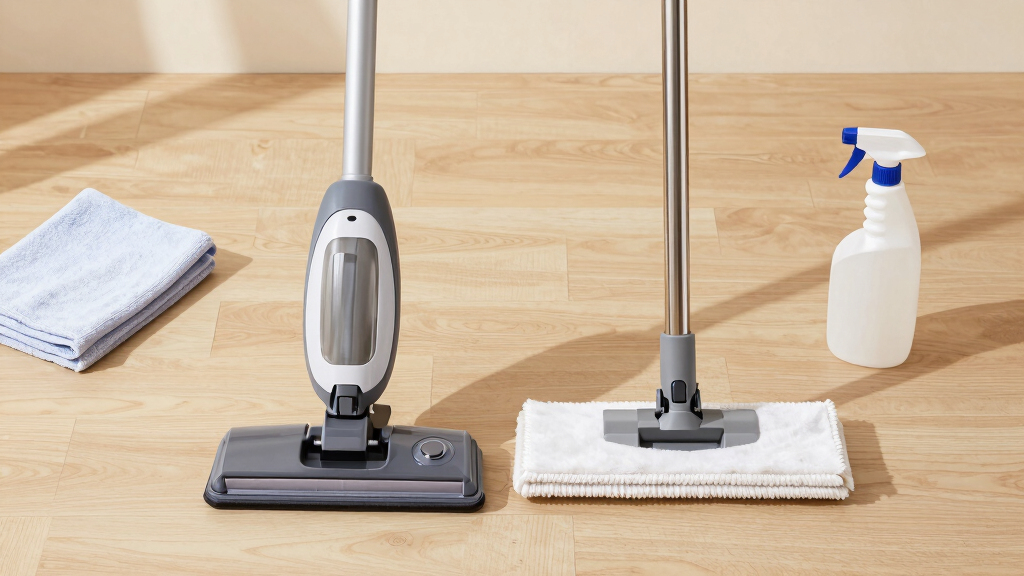
This table shows how each tool approaches cleaning. Think of the steam mop as a high-tech sterilizer, while the spin mop is like a manual scrubber with a twist—literally!
While both tools aim for cleanliness, the core difference lies in their approach: the steam mop automates sanitization using heat, reducing physical effort and providing consistent results. The spin mop requires manual effort, which can be more labor-intensive but offers control over scrubbing intensity and moisture. This distinction impacts not only cleaning efficiency but also the type of surfaces each is best suited for, as well as the time and physical effort involved. Recognizing these tradeoffs helps you select a tool aligned with your cleaning needs and physical capabilities.
manual spin mop with microfiber head
As an affiliate, we earn on qualifying purchases.
As an affiliate, we earn on qualifying purchases.
Which Mop Works Better on Your Floors? Surface Compatibility Demystified
Steam mops excel on sealed tile, vinyl, and laminate floors. But avoid using steam on unsealed wood or delicate surfaces—water and heat can cause warping or damage. Spin mops are more forgiving, suitable for a variety of hard floors and textured surfaces.
Imagine cleaning your kitchen tile with a steam mop, feeling the heat loosen grime and sanitize. But if you have hardwood that’s not sealed, a spin mop with a gentle cleaning solution might be safer.
Always check your floor’s manufacturer guidance before choosing. Testing a hidden area first can save you from costly mistakes. The key here is understanding that not all surfaces react equally to heat and moisture. Using a steam mop on an unsealed wooden floor might cause swelling, warping, or discoloration, which can be costly to repair. Conversely, spin mops can be used on a wider range of surfaces, but may not achieve the same level of sanitation or deep cleaning on porous or textured floors. Recognizing these nuances helps prevent damage and ensures you choose the right tool for your specific flooring.
As an affiliate, we earn on qualifying purchases.
The Cost and Maintenance: Which Mop Saves You Money Over Time?
Steam mops tend to be pricier upfront—$80 to $150 depending on features. They require replacement pads and occasional descaling. Spin mops are budget-friendly—often under $30—and mainly need new mop heads and occasional cleaning of the spinning mechanism.
For example, a mid-range steam mop might last 3-5 years with proper care, while a spin mop can last indefinitely with regular head replacements.
Considering the cost over time involves more than initial investment. Steam mops often require replacement pads, descaling to prevent mineral buildup, and sometimes repairs if components fail. These ongoing expenses can add up, but they also offer benefits like quick sanitization and less physical effort. Spin mops are cheaper initially and involve minimal maintenance—mainly replacing heads and occasional cleaning. However, they may require more frequent replacement due to wear and tear, especially if used intensively. Your decision should weigh the value of convenience, lifespan, and ongoing costs according to your cleaning frequency and budget constraints.
As an affiliate, we earn on qualifying purchases.
The Latest Innovations Making Both Mops Smarter and Easier
Modern steam mops now include adjustable steam settings, cordless designs, and larger water tanks for longer cleaning sessions. Some even have self-cleaning features. These upgrades make quick work of larger areas and tricky spots.
Meanwhile, spin mop designs have improved with ergonomic wringing mechanisms, microfiber heads with extra absorbency, and antimicrobial treatments to reduce bacteria buildup. Some models now combine both functions into one device, saving space and money.
Imagine switching from a steam clean to a traditional mop with a simple button press. Hybrid models are gaining popularity, offering the best of both worlds for versatile cleaning.
These technological advancements are significant because they directly impact user experience—reducing fatigue, increasing efficiency, and extending the lifespan of the cleaning devices. For instance, adjustable steam settings allow you to tailor heat levels based on surface sensitivity, preventing damage while maximizing sanitization. Cordless designs improve maneuverability, making it easier to clean stairs or hard-to-reach areas without hassle. Similarly, innovations in spin mop heads—like antimicrobial coatings—help maintain hygiene between uses. Recognizing these trends helps consumers make informed choices about investing in smarter, more effective cleaning tools that adapt to modern lifestyles.
The Final Word: Which Mop Should You Pick?
Your choice depends on your cleaning priorities. Want a germ-killing, chemical-free clean fast? Go for a steam mop. Need a versatile, budget-friendly tool for various surfaces? The spin mop is your friend.
Remember, always test your floor with a small amount of steam or water first. Safety and surface care should always come first. Think about your home’s surfaces, your physical comfort, and your cleaning speed.
In the end, both mops have their place—and understanding their strengths helps you choose wisely. Clean floors, happy home.
Conclusion
Choosing between a steam mop and a spin mop boils down to what kind of clean you value most—speed, sanitization, or versatility. Both tools have evolved, making them more effective and user-friendly than ever.
Remember to test your floors first and prioritize safety. After all, a clean home isn’t just about appearance—it’s about health, safety, and peace of mind.
Halloween Picks
halloween
As an affiliate, we earn on qualifying purchases.