TL;DR

Get cleaning gear delivered free with Prime
- Fast, free delivery on millions of items
- Prime Video, Amazon Music and more included
- Member-only deals all year
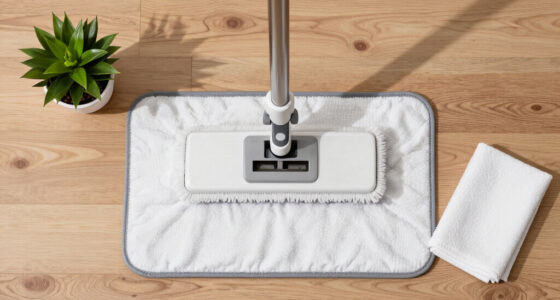
Steam mop pads often fall off because of compatibility issues, wear and tear, improper attachment, or poor-quality pads. Using the right pads, checking attachment points, and following proper installation can prevent this hassle.
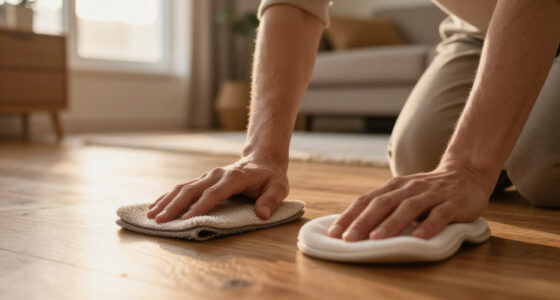
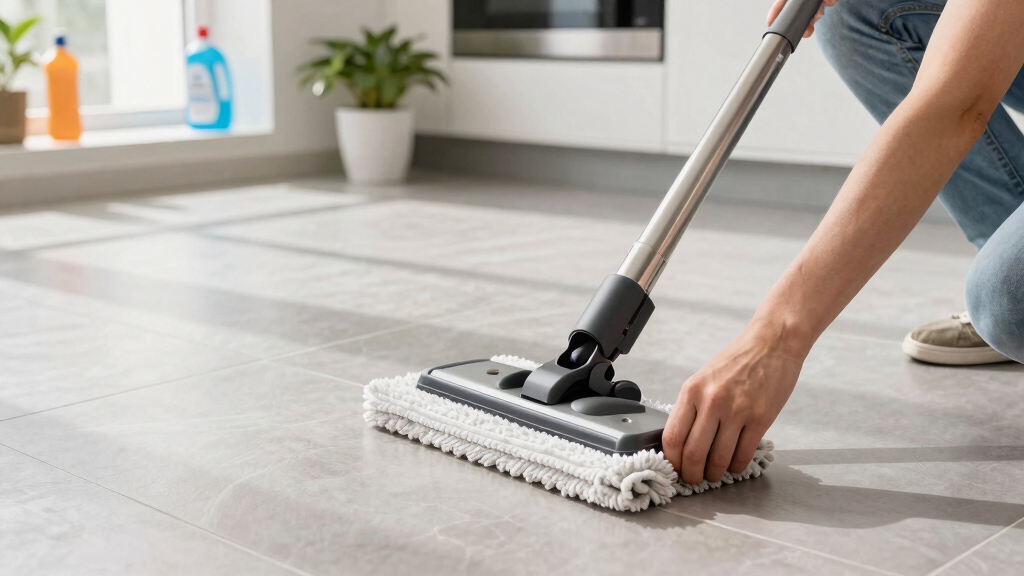
Few things are more annoying than watching your steam mop pad slip and flop during a deep clean. It’s like trying to wipe a mirror with a towel that keeps slipping out of your hands. The frustration grows, and suddenly, your shiny floors are not so shiny anymore.
Knowing why your steam mop pads keep falling off isn’t just about fixing a nuisance — it’s about getting your cleaning done efficiently and safely. This guide will walk you through the common causes and simple fixes, so you can keep your floors spotless without fighting your mop.
Always verify your pad’s compatibility with your specific mop model.
Regularly inspect and replace worn Velcro or clips to maintain grip strength.
Properly align and press firmly during installation to prevent slipping.
Invest in quality, manufacturer-approved pads for a snug fit.
Look for newer models with magnetic or snap-on attachments for better security.
Why Your Steam Mop Pads Keep Falling Off
Steam mop pads usually slip because the pad does not match the mop, the Velcro or clips are worn, the pad is misaligned, or the replacement pad is too flimsy. The fix is rarely complicated: match the attachment system, clean the grip points, press everything firmly into place, and replace tired parts before they fail mid-clean.
Over 70% of pad detachment issues stem from incompatible or worn attachment mechanisms.
Key insight attributed to Steam Mop ListLinked to compatibility or worn attachment mechanisms.
Align, press, click, tug-test before steaming.
Velcro, elastic bands, and clips lose grip over time.
Manufacturer-approved pads usually fit most securely.
What makes the pad slip, flap, or detach?
A loose steam mop pad is usually a mechanical fit problem, not a floor-cleaning problem. Start with the attachment system before blaming the tile, steam level, or cleaning method.
Wrong pad for the model
Velcro pads, snap pads, clip pads, and elastic pads are not interchangeable. A universal pad can look close while still missing the grip geometry your mop needs.
Velcro or clips have given up
Fuzzy hook strips, stretched elastic, cracked clips, or frayed pad edges reduce holding power and let the pad creep away with each pass.
The pad is only partly secured
If the pad is crooked, debris blocks the grip, or snaps are not fully clicked in, steam and motion can loosen it within minutes.
Generic pads cut corners
Thin backing, weak stitching, and imprecise sizing can make cheap pads sag, bunch, or peel away under pressure.
Too much force or liquid
Vigorous scrubbing, uneven tile, sticky residue, or excess water can make the pad heavier and easier to dislodge.
Older systems grip less securely
Newer magnetic and snap-on designs reduce human error and hold better during repeated passes.
The four-point pad security check
Even a good pad can fail if it is rushed onto the mop. Make the attachment process deliberate and repeatable every time.
Align
Match the pad corners, strips, clips, or snap points to the mop head before pressing.
Press
Push Velcro or fabric backing firmly across the full base, not just the center.
Click
Confirm every clip, elastic pocket, or snap is fully seated and not twisted.
Tug
Give the pad a gentle pull. If it shifts now, it will likely fall off while cleaning.
Which pad system is most reliable?
The best attachment is the one your mop was designed for, but some systems tolerate wear and user error better than others.
| System | Grip security | Common failure | Best action | Upgrade value |
|---|---|---|---|---|
| Velcro strips | ~ Good when fresh | Hooks get fuzzy, clogged, or flattened | Clean lint and replace worn strips | ~ Moderate |
| Elastic pockets | ~ Depends on tension | Elastic stretches and corners slip | Replace stretched pads quickly | ✗ Lower |
| Clips or snaps | ✓ Strong when intact | Plastic clips crack or fail to latch | Listen for the click and inspect clips | ✓ High |
| Magnetic mount | ✓ Very secure | Requires compatible magnetic pads | Use approved pads only | ✓ Highest |
| Generic universal pad | ✗ Inconsistent | Close fit, weak backing, poor alignment | Test fit before wet cleaning | ✗ Risky |
Where to focus your troubleshooting
Most fixes are small, but the order matters. Check the high-probability mechanical causes before changing your cleaning routine.
Likely causes of detachment
Relative contribution based on the article’s research themes and the Steam Mop List insight.
Pad security spectrum
Older Velcro and elastic systems depend heavily on condition. Snap-on and magnetic systems reduce slipping by locking the pad into place.
Five habits that keep pads locked down
Small checks prevent the annoying mid-clean flop. Build these into your routine before the mop heats up.
Verify the replacement pad matches your exact mop model and attachment type.
Inspect Velcro, elastic, clips, and backing for fuzzing, stretching, or cracks.
Clean lint and debris from the mop base before attaching a fresh pad.
Press firmly, click securely, and tug-test the pad before adding steam.
Choose quality manufacturer-approved pads or consider snap-on and magnetic models.
How do I know if pads are compatible?
Check the manual, model number, and attachment style. Use pads made for your exact mop whenever possible.
Can I fix worn Velcro or clips?
Yes. Replacement Velcro strips and clips can often restore grip if the mop head itself is still sound.
Are universal pads reliable?
Sometimes, but they are more likely to slip if the sizing, backing, or attachment points are slightly off.
From symptom to secure clean
Use this chain when the pad starts falling off: diagnose the attachment, fix the weak point, then adjust the cleaning pressure.
Is Your Mop’s Attachment System the Wrong Fit?
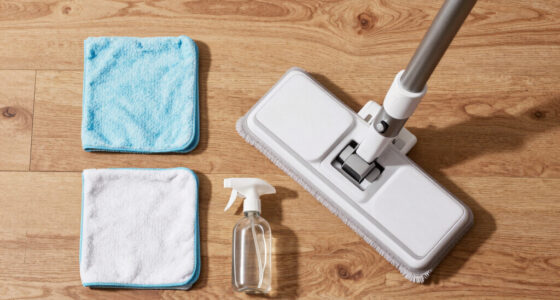
The most common reason for a falling-off pad? Compatibility issues. If your pad isn’t designed for your model, it simply won’t grip right. Think of it like trying to fit a key in the wrong lock — it might turn, but it won’t stay put.
For example, some models use Velcro, while others rely on clips or snaps. Using a generic or incompatible pad often leads to slippage. Always check your mop’s manual or packaging to ensure you buy the right type for your machine.
Pro tip: If you’ve upgraded your mop or bought a universal pad, double-check that it matches your attachment system before cleaning. A quick test fit can save you from hours of frustration later.
As an affiliate, we earn on qualifying purchases.
Wear and Tear: When the Velcro and Clips Give Up
Over time, the very parts that hold your pads in place can weaken. Velcro strips may become fuzzy, lose their grip, or even fray. Elastic clips can stretch out or snap. If your pad keeps falling off, check these components first.
Imagine a pad that once snapped on firmly but now feels loose. That’s a sign the attachment system has worn out. Regularly inspecting and replacing worn parts can extend the life of your cleaning setup.
For instance, a homeowner noticed her pad kept slipping during her weekly cleaning. Replacing the Velcro strips with heavy-duty versions restored a tight grip, and she’s been pad-fall free ever since.
Understanding the implications of wear and tear is crucial — worn attachment parts compromise the security of your pad, reducing cleaning efficiency and increasing the risk of accidental slips that could damage your floors or cause injury. Investing in quality replacement parts not only restores functionality but also ensures safety and saves money in the long run by avoiding premature replacements.
As an affiliate, we earn on qualifying purchases.
Are You Installing the Pad Correctly? Here’s How to Do It Right
Even the best attachment system fails if you don’t attach the pad properly. Many people rush or skip steps, leaving the pad only partially secured. Proper installation is key to keeping it in place.
Follow these steps:
- Align the pad with the attachment points on your mop.
- Press the Velcro strips firmly onto the base, making sure they stick fully.
- Ensure all clips or snaps click into place securely.
- Give the pad a gentle tug to confirm it’s attached tightly.
A quick tip: Always check the attachment points for debris or lint, which can reduce grip strength. Cleaning these areas before attaching the pad helps it stay put. Proper installation not only prevents slipping but also ensures that the steam is evenly distributed, maximizing cleaning effectiveness and reducing the chance of damage to your floors or the mop itself.
As an affiliate, we earn on qualifying purchases.
Are Your Replacement Pads High-Quality Enough?
Cheap, generic pads often cut corners on fit and grip. If your pads are loose or keep falling off, consider switching to original manufacturer-approved options. They’re designed with your mop’s attachment system in mind.
For example, a customer switched from a generic to an OEM pad. The new pad snapped into place effortlessly and stayed secure through a full cleaning session. It’s worth investing in quality for peace of mind.
Understanding the importance of quality pads is vital because inferior pads may seem to work initially but tend to degrade quickly, leading to repeated attachment failures. Over time, this can cause damage to the attachment system or reduce the lifespan of your mop. Opting for high-quality, manufacturer-approved pads ensures a snug fit, reliable performance, and can save you money by avoiding frequent replacements or repairs.
As an affiliate, we earn on qualifying purchases.
How Environmental Conditions and Usage Habits Affect Pad Security
Believe it or not, your cleaning habits and surface conditions can loosen your pad. Vigorous scrubbing, uneven floors, or excessive water can cause the pad to shift or detach.
For instance, cleaning a sticky, uneven kitchen tile with a lot of water might cause the pad to slip. Using moderate pressure and ensuring your surface is dry and smooth can help the pad grip better. Recognizing how these factors influence attachment helps you adapt your cleaning technique, prolong the life of your pads, and prevent accidents or damage caused by slipping pads.
Additionally, overloading the mop with too much water or cleaning solution can make the pad heavier and more prone to slipping off. Being aware of these conditions allows you to balance cleaning power with attachment security, ensuring effective cleaning without compromising safety.
What Are the Latest Innovations Making Pads Stay Put?
Newer steam mop models feature snap-on or magnetic attachment systems that significantly reduce falling-off incidents. These designs lock the pad in place more securely than traditional Velcro or clips.
For example, some models use a magnetic strip that clicks into position when you set the pad down. This innovation minimizes human error during attachment and keeps the pad firmly in place, even during vigorous cleaning.
Keeping an eye on these features when buying a new mop can save you frustration down the line. Understanding the tradeoffs — such as potential higher costs or the need for compatible pads — helps you make informed decisions that enhance your cleaning experience.
Preventative Tips to Keep Your Pads Secure
To stop your pads from falling off, follow these simple tips:
- Always check compatibility before buying new pads.
- Inspect and replace worn attachment parts regularly.
- Follow the correct installation steps each time.
- Clean attachment surfaces of lint and debris before attaching.
- Consider upgrading to models with snap-on or magnetic systems.
For example, a user who routinely checks her attachment clips every few uses rarely faces pad slips. Small habits make a big difference.
Frequently Asked Questions
How do I know if my replacement pads are compatible?
Check your mop’s manual or packaging for the exact model and attachment type. Stick to manufacturer-approved pads or those explicitly designed for your model to ensure a perfect fit and secure attachment.
Can I fix worn Velcro or clips myself?
Yes, many stores sell replacement Velcro strips or clips. Carefully remove the old parts and attach new ones following the manufacturer’s instructions. This simple fix can restore your pad’s grip without buying a new one.
What’s better: Velcro, clips, or magnetic attachments?
Magnetic and snap-on systems tend to stay more securely attached during vigorous cleaning. Velcro is convenient but wears out over time. Choose a system that matches your cleaning style and ease of use.
How often should I check my attachment system?
Inspect your pads and attachment points every 3-4 uses, especially if you notice slipping or looseness. Regular checks prevent unexpected falls mid-cleaning.
Conclusion
Falling-off pads are a common headache, but they’re usually fixable with a quick check of compatibility, proper installation, and regular maintenance. Think of your steam mop’s attachment system as the foundation of your cleaning success — keep it solid.
Next time your pad feels loose, remember: a little attention to detail now saves hours of frustration later. Your floors — and your patience — will thank you.
Halloween Picks
halloween
As an affiliate, we earn on qualifying purchases.