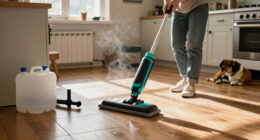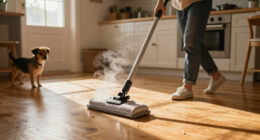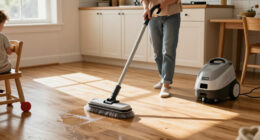
TL;DR

Get cleaning gear delivered free — and shop member deals
- Fast, free delivery on millions of items
- Access to Prime Big Deal Days deals on October 6–7
- Prime Video, Amazon Music and more included
After steam mopping, drying floors fast is key to safety and preventing damage. Use fans, towels, and ventilation—adjust your approach based on flooring type for best results.
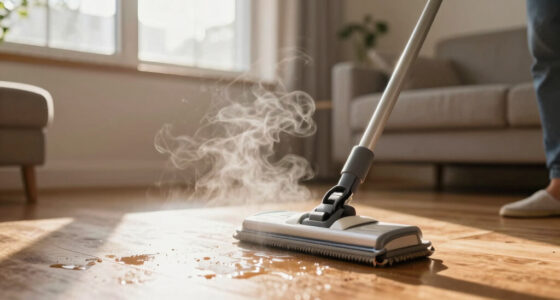
Ever finished steam mopping your floors and wondered how to get them dry in a flash? The trick isn’t just patience; it’s about actively promoting evaporation. Quick drying isn’t just about convenience—it safeguards your floors and prevents accidents.
In this guide, you’ll discover practical, easy techniques to speed up the process. From using everyday tools like fans to adjusting room conditions, you’ll learn how to keep your floors safe, spotless, and dry in no time.
Use fans, towels, and open windows immediately after steam mopping to speed drying.
Control humidity with dehumidifiers or air conditioning to cut drying time in half.
Avoid over-wetting floors—less water means faster drying and less risk of damage.
Different floors dry at different rates: tile in 10 minutes, hardwood can take up to 40.
Testing your flooring in a hidden spot first prevents damage from excess moisture.
Why Quick Drying Matters More Than You Think
When moisture lingers after steam mopping, your floors become vulnerable. Excess moisture can cause warping on hardwood, swelling on laminate, and slippery surfaces that risk slips and falls. Plus, damp environments invite mold and mildew over time.
Imagine mopping your shiny oak floor on a rainy day. If it stays wet for hours, you risk permanent damage or even a dangerous slip. That’s why drying quickly isn’t just a matter of convenience—it’s about protecting your home.
Understanding the importance helps you prioritize drying methods that match your flooring type and room conditions.
As an affiliate, we earn on qualifying purchases.
How to Speed Up Floor Drying in 5 Simple Steps
- Open all windows and doors. Maximize airflow by creating a cross-breeze. This step is crucial because stagnant air traps moisture, prolonging drying time. Proper ventilation allows moist air to escape and replaces it with drier air, accelerating evaporation. Failing to do this can significantly extend the drying process, especially in humid environments.
- Use a fan or oscillating air circulator. Positioning a fan to blow across the floor introduces constant airflow, which not only speeds up evaporation but also helps remove humid air from the vicinity. Ceiling fans are effective if they push air downward, creating a gentle breeze. Without active airflow, moisture can linger longer, increasing the risk of damage or mold.
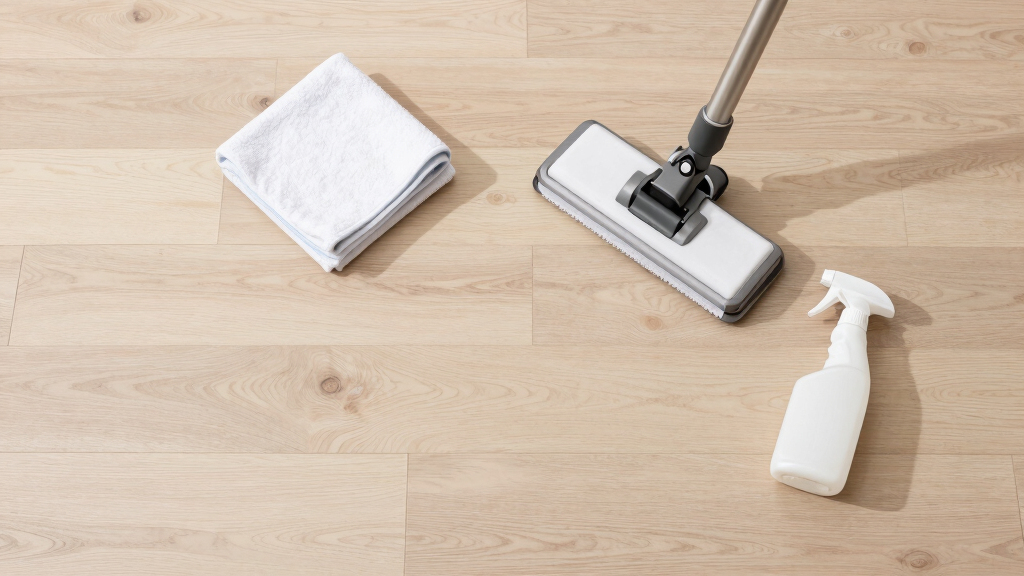
- Absorb residual moisture with towels or microfiber cloths. Immediately after steaming, running a dry microfiber cloth or absorbent towel over the surface physically pulls moisture away. This step is vital because it directly reduces the amount of water that needs to evaporate, drastically cutting drying time. Skipping this step means relying solely on evaporation, which is slower and less effective, especially on textured or porous surfaces.
- Control room humidity and temperature. Slightly raising the room temperature (if safe for your floors) and lowering humidity with a dehumidifier speeds up evaporation because warm, dry air holds more moisture and encourages faster drying. In colder months, increasing heat is beneficial, but excessive heat can damage sensitive flooring. Proper control of these factors creates an optimal environment for quick drying, reducing the risk of moisture seeping into sublayers or causing warping.
- Avoid over-wetting during mopping. Using just enough steam or water prevents excess moisture from lingering. Over-wetting not only prolongs drying but also increases the chance of water seeping into cracks or under flooring, leading to damage or mold. Regularly checking your mop’s water tank and adjusting your technique ensures minimal moisture application, which is especially critical for porous or delicate surfaces.
For example, on a humid spring day, turning on a ceiling fan and opening windows can dry your vinyl kitchen floor in about 15 minutes. Meanwhile, hardwood floors might need a bit more attention with towels and dehumidifiers. Recognizing how environmental factors influence drying helps you choose the right combination of methods for your specific situation.
As an affiliate, we earn on qualifying purchases.
Compare Tools That Help You Dry Floors Fast
| Tool | Effectiveness | Best For |
|---|---|---|
| Oscillating Fan | High — Circulates air evenly, helping moisture escape faster | Most rooms, especially large spaces |
| Microfiber Towels | Very high — Absorbs moisture immediately and physically removes water | Spot drying on any surface, especially delicate or porous floors |
| Dehumidifier | Very high — Significantly reduces ambient humidity, creating optimal drying conditions | Poorly ventilated or highly humid rooms |
| Ceiling Fan | Moderate to high — Promotes overall air circulation, aiding evaporation | Large open areas or rooms with high ceilings |
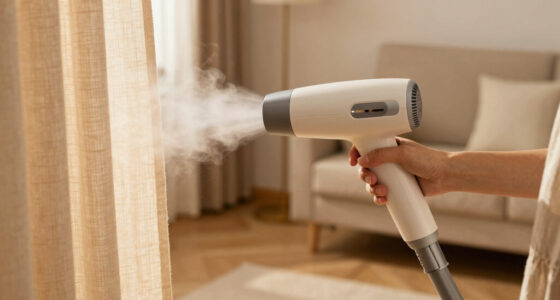
| Hairdryer / Heat Gun | Low to moderate — Can accelerate drying locally but risks damage if used improperly | Not recommended for floors; only for small, targeted areas if necessary |
Choosing the right tool depends on your room size, humidity, and flooring material. Combining these tools—like using a fan with towels and a dehumidifier—creates a synergistic effect that speeds up drying significantly. Each tool’s effectiveness depends on environmental conditions and the specific flooring type, so understanding these tradeoffs helps you select the best approach for your situation.
As an affiliate, we earn on qualifying purchases.
Avoid These Common Mistakes That Slow Down Drying
- Over-wetting the floor. Using too much steam or water prolongs drying and increases the risk of water seeping into sublayers, which can cause warping or mold. Precise control over water application ensures quicker evaporation and minimizes damage.
- Blocking airflow. Keeping windows and doors closed or covering vents traps moisture inside, drastically slowing the drying process. Proper ventilation is essential because it replaces humid air with drier air, speeding up evaporation and reducing the chance of mold growth.
- Ignoring humidity levels. High humidity environments slow evaporation because moist air cannot hold much additional moisture. Using a dehumidifier in such conditions creates a drier environment, allowing floors to dry faster and reducing the risk of mold or mildew.
- Using heat sources improperly. While increasing room temperature can aid drying, using unreliable or uneven heat sources like hairdryers or heat guns can cause uneven drying, surface damage, or warping. Properly controlled, consistent airflow from fans is safer and more effective for even drying.
For example, leaving a bathroom door closed after steaming traps moisture inside, making drying take twice as long and increasing the risk of mold. Opening all doors and windows enhances airflow and helps moisture escape, leading to quicker, safer drying. Recognizing these pitfalls allows you to optimize your drying strategy and avoid unnecessary delays or damage.
As an affiliate, we earn on qualifying purchases.
Real Results: How Fast Can You Really Dry Different Floors?
The drying time after steam mopping depends heavily on the floor type. Typical times are:
- Tile and vinyl: 5–15 minutes due to non-porous surfaces that don’t absorb water, allowing rapid evaporation.
- Laminate and engineered wood: 15–30 minutes; these surfaces are less porous than hardwood and benefit from towels and fans to speed up moisture removal.
- Solid hardwood: 20–40 minutes; these floors are highly sensitive to moisture, so quick drying is essential to prevent warping, cupping, or swelling. Using towels and dehumidifiers can help mitigate these risks.
Imagine steaming your kitchen tile and grabbing a quick coffee—your floor might be dry before your brew is ready. Hardwood floors, however, need a bit more patience and careful drying to avoid long-term damage. Recognizing the differences in drying times based on material helps you plan your post-mopping routine effectively, ensuring safety and longevity for your floors.
Frequently Asked Questions
How long does it usually take for floors to dry after steam mopping?
Most floors dry within 10 to 30 minutes, depending on the surface type, room humidity, and ventilation. Tile dries fastest, while hardwood may take longer. Using fans and towels can cut that time significantly.
Can I walk on the floor immediately after steam mopping?
It’s best to wait until the floor is completely dry. Walking on wet floors increases the risk of slipping and re-soiling, plus it can leave marks or stains on sensitive surfaces like hardwood.
What tools are best for drying floors quickly?
Fans, microfiber towels, and dehumidifiers are your best bets. They actively promote evaporation and absorb residual moisture, cutting drying time by half or more.
Is it safe to use a hairdryer to dry floors?
Not recommended. Uneven heat can damage the flooring or cause warping, and it’s hard to control airflow. Stick to fans and towels for safe, even drying.
How can I prevent my floors from staying wet after steam mopping?
Use minimal water, ensure good airflow, and dry with towels or fans immediately afterward. Testing in a hidden spot first helps prevent moisture-related damage.
Conclusion
Quick-drying your floors after steam mopping isn’t magic—it’s about smart use of simple tools and room conditions. Think of your space as a mini wind tunnel, where airflow and moisture balance speed the process.
Next time you steam, remember: open a window, turn on a fan, blot with a microfiber towel. That’s the key to safe, spotless, and completely dry floors—fast.
Halloween Picks
halloween
As an affiliate, we earn on qualifying purchases.