TL;DR
Open a free Amazon Business account
Business pricing, bulk buying and tax-exempt orders.
Create a free accountAs an affiliate, we earn on qualifying purchases.
Steam mops can sanitize floors effectively without chemicals, eliminating up to 99.9% of germs. Proper use involves prepping surfaces, adjusting settings, and avoiding damage to delicate floors. Correct technique is key for safe, thorough cleaning.
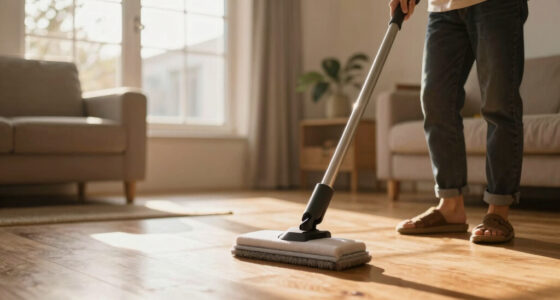
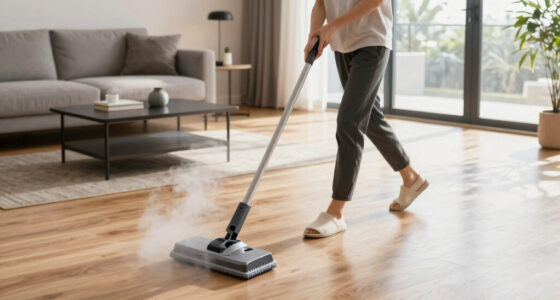
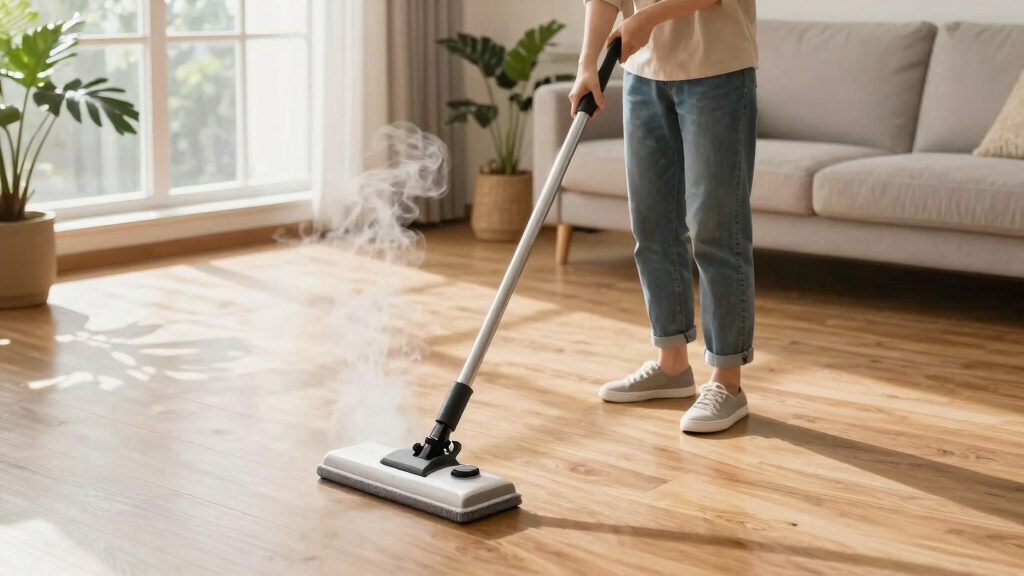
Imagine gliding a hot, misty cloth across your floor, not just cleaning but eradicating germs with a burst of steam. That’s the promise of a steam mop—simplicity meeting sanitation. But rushing in without knowing the ins and outs can do more harm than good.
In this guide, you’ll learn how to use a steam mop the right way—what surfaces it’s safe for, how to avoid damage, and tips for making your floors truly germ-free without a puddle of water or chemical residue. Because a clean floor isn’t just about looks; it’s about health, safety, and peace of mind.
Always prep and test a small hidden area before full cleaning.
Adjust your steam settings based on your floor type for safety and effectiveness.
Move slowly and overlap passes—rushing misses germs and causes streaks.
Ventilate after cleaning to dry floors quickly and prevent damage.
Regularly descale your steam mop to maintain optimal performance.
Prep Your Floors Like a Pro Before Steam Cleaning
Before you even turn on that steam mop, clear the area of loose dirt, pet hair, and dust. Use a broom or vacuum to make sure the surface is free of debris. This step prevents scratching and ensures the steam can work directly on grime for maximum sanitation.
Check your floor type—tile, vinyl, hardwood, laminate—and confirm it’s compatible with steam cleaning. For example, sealed hardwood and tile typically handle steam well, while unsealed wood or laminate may not.
A quick test can save you headaches—pick a small, hidden spot, and try steaming it first. If there’s warping or discoloration, stop and reconsider.

Shark Steam Mop for Sealed Hard Floors with 2 Dirt Grip Pads, White, S1000
- Chemical-Free Sanitization: Removes grease with steam only
- Removable Water Tank: Easy to refill for continuous cleaning
- Lightweight Design: Under 5 lbs for easy handling
As an affiliate, we earn on qualifying purchases.
As an affiliate, we earn on qualifying purchases.
Select the Right Steam Mop Settings for Safety and Efficiency
The secret to effective sanitation is using the correct steam settings. Most models have adjustable controls—set it too high, and you risk damaging delicate floors; too low, and you might not sanitize effectively.
For most household floors, a medium heat with a steady, continuous steam is best. Look for a model with a large water tank to avoid constant refilling, and ensure it has safety locks to prevent accidental steaming.
For example, if you’re cleaning a vinyl kitchen floor, use a lower steam setting to avoid warping. Conversely, for tiled bathroom floors, a higher setting can boost germ-killing power.
Shark Steam Mop for Sealed Hard Floors with 2 Dirt Grip Pads, White, S1000
- Chemical-Free Sanitization: Removes grease with steam only
- Removable Water Tank: Easy to refill for continuous cleaning
- Lightweight Design: Under 5 lbs for easy handling
As an affiliate, we earn on qualifying purchases.
As an affiliate, we earn on qualifying purchases.
Master the Technique: How to Use Your Steam Mop Effectively
- Start with a clean, dry surface.
- Hold the mop a few inches above the floor—don’t press it down hard.
- Move slowly in overlapping passes—about 1-2 feet per second—so the steam has time to sanitize thoroughly.
- Focus on high-touch areas like doorways, corners, and under furniture.
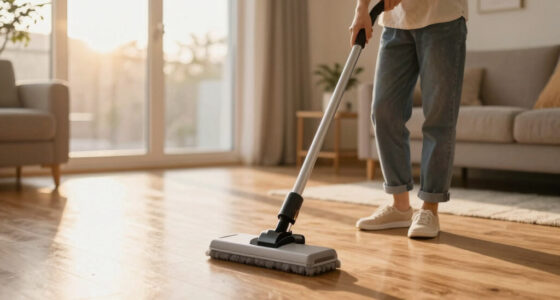
Imagine walking across a tile bathroom with a steady, deliberate pace, letting the steam do its work. Rushing can leave germs behind or cause streaks and puddles. Regularly pause to check for damp spots—your goal is sanitized, not soaked.
Shark Steam Mop for Sealed Hard Floors with 2 Dirt Grip Pads, White, S1000
- Chemical-Free Sanitization: Removes grease with steam only
- Removable Water Tank: Easy to refill for continuous cleaning
- Lightweight Design: Under 5 lbs for easy handling
As an affiliate, we earn on qualifying purchases.
As an affiliate, we earn on qualifying purchases.
Safety First: How to Protect Yourself and Your Floors
Steam is hot—think of it as a gentle but powerful blast of heat. Always wear slip-resistant shoes and keep children and pets away during cleaning. Let the floor cool and dry completely before walking on it again—this can take 15-30 minutes depending on the surface and room ventilation.
Ventilate your space during and after cleaning—open windows or turn on fans. This helps evaporate residual moisture and prevents warping or mold growth.
And never point the steam mop at yourself or others—hot steam can cause burns. When refilling the water tank, do so cautiously to avoid splashes from hot water or steam.
Shark Steam Mop for Sealed Hard Floors with 2 Dirt Grip Pads, White, S1000
- Chemical-Free Sanitization: Removes grease with steam only
- Removable Water Tank: Easy to refill for continuous cleaning
- Lightweight Design: Under 5 lbs for easy handling
As an affiliate, we earn on qualifying purchases.
As an affiliate, we earn on qualifying purchases.
Post-Cleaning Tips to Keep Floors Safe and Clean
After steaming, open windows or turn on fans for quick drying. This reduces slip hazards and helps prevent moisture from seeping into the flooring material, which could cause warping or mold over time.
Regularly descale your steam mop—mineral deposits from hard water can clog the system and significantly reduce its cleaning effectiveness. Using manufacturer-recommended descaling solutions or vinegar-based cleaners ensures the device continues to operate efficiently and prolongs its lifespan.
Inspect your floors periodically for signs of discoloration, warping, or water spots. If you notice any issues, revisit your cleaning technique, adjust your settings, and always perform a spot test on new surfaces to prevent unintended damage.
Compare Common Flooring Types & Steam Compatibility
| Floor Type | Steam Safe? | Tips |
|---|---|---|
| Sealed Hardwood | Yes, with caution | Use lower heat, avoid excessive moisture |
| Tile & Ceramic | Yes | Steady, continuous steam works best |
| Vinyl & LVP | Generally yes | Test first, use lower steam settings |
| Unsealed Wood | No | Avoid steam, moisture can cause damage |
Common Mistakes to Avoid When Using a Steam Mop
- Over-wetting floors—too much moisture can cause warping or mold. Excess water can seep into porous materials or under sealants, leading to long-term damage or mold growth if not dried properly. Recognizing this helps prevent costly repairs and preserves the integrity of your flooring.
- Using high heat on delicate surfaces—this can discolor or damage your floors. Excessive heat can cause finishes to peel, warp, or discolor, especially on unprotected or sensitive surfaces. Understanding the tradeoff between heat level and surface safety ensures effective sanitation without harm.
- Rushing your passes—slow, deliberate strokes ensure germs are killed and surfaces sanitized. Moving too quickly reduces contact time, which can compromise sanitation and leave behind bacteria. Patience in technique maximizes cleaning outcomes.
- Not testing first—skipping a small spot check can lead to costly damage. Different surfaces react differently; testing helps prevent irreversible harm and ensures compatibility, saving you time and money in the long run.
Think of steam cleaning like a delicate dance—balance speed, heat, and distance for best results, understanding that rushing or excessive moisture can undo the benefits of sanitation.
Frequently Asked Questions
Is steam mopping enough to kill all germs and viruses?
High-temperature steam can effectively kill most germs, bacteria, and viruses—up to 99.9%—if used properly. Focus on thorough passes and allow enough contact time for sanitation.Can I use a steam mop on my hardwood floors?
Yes, but only if your hardwood is sealed. Use the lowest steam setting, avoid excessive moisture, and test in a hidden spot first. Unsealed or unfinished wood can absorb water and warp.How often should I steam mop to keep my floors hygienic?
Once a week works well for most households, especially in high-traffic areas. Adjust frequency based on household activity and whether you have pets or children.Should I add cleaning solutions to my steam mop?
Most models work best with plain water. Some allow mild cleaning solutions, but check your manufacturer’s instructions. Using only water reduces chemical exposure and residue.How long does it take for floors to dry after steaming?
Typically, floors dry within 10-30 minutes, depending on the surface and ventilation. Opening windows and turning on fans speeds up drying.Conclusion
Remember, a steam mop is a powerful tool—when used correctly, it transforms cleaning into a quick, safe, and chemical-free way to sanitize your home.
Think of it as giving your floors a hot, germ-busting hug—gentle but effective. Keep surfaces compatible, handle with care, and your floors will thank you with every spotless, sanitized step.
College move-in / dorm season Picks
dorm essentials
As an affiliate, we earn on qualifying purchases.