TL;DR

Get cleaning gear delivered free — and shop member deals
- Fast, free delivery on millions of items
- Access to Prime Big Deal Days deals on October 6–7
- Prime Video, Amazon Music and more included
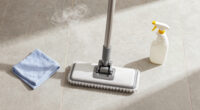
Steam mopping tile floors is a safe, chemical-free way to deep clean. Using proper technique and tools, you can remove dirt and bacteria without damaging tiles or grout. Follow these steps for pro-level results.
Always test your steam mop on a small, hidden area before full use to prevent damage.
Use low to medium steam settings for tiles to avoid saturating grout or causing cracks.
Move slowly and overlap passes for thorough cleaning—rushing leaves dirt behind.
Regularly descale your steam mop to maintain performance and prevent mineral stains.
Check manufacturer guidelines for your specific tile and grout types to avoid costly mistakes.
Why Steam Mopping Is a Game-Changer for Tile Floors
Steam mopping isn’t just a trend; it’s a smarter way to clean your tile floors. It uses high-temperature steam to loosen dirt and kill germs, all without harsh chemicals. Think of it as a deep, sanitizing spa treatment for your floors. For example, after a dinner party, a quick pass with a steam mop leaves your kitchen spotless and smelling fresh.
Research shows steam cleaning kills up to 99.9% of bacteria, making it ideal for households with allergies or pets. Plus, it’s gentle on your tiles—no scratching or dulling, if used correctly. The key is understanding the balance between effective cleaning and surface preservation. Too much steam or prolonged contact can lead to grout discoloration or even damage certain tiles. Knowing this helps you optimize your cleaning routine, ensuring cleanliness without compromise.
As an affiliate, we earn on qualifying purchases.
Prepare Your Floor and Equipment for a Perfect Clean
Before you start, clear the floor of furniture, rugs, and loose debris. A quick sweep or vacuum gets rid of surface dirt that can turn into scratches during mopping. Check your steam mop’s manual—some tiles or grout might be sensitive to heat or moisture. Testing a small, hidden corner first helps you assess how your tiles react, preventing costly mistakes. This is especially important if your tiles have a matte finish or decorative glaze, which can be more susceptible to heat damage or discoloration.
Use a clean microfiber cloth to wipe down the mop head and fill the water tank with distilled water to prevent mineral buildup. Properly preparing your equipment ensures consistent steam output and prevents mineral deposits that could stain or dull your tiles over time. Investing time in setup minimizes the risk of surface damage and guarantees a more thorough, safe cleaning process.
best steam mop with adjustable steam settings
As an affiliate, we earn on qualifying purchases.
As an affiliate, we earn on qualifying purchases.
Choosing the Right Steam Mop for Tile and Grout
Not all steam mops are created equal. Look for models with adjustable steam settings, at least a 300ml water tank for longer sessions, and attachments like grout brushes or scrubbing pads. A model with adjustable steam allows you to fine-tune the heat based on your tile type—lower settings for delicate surfaces and higher for stubborn grime. Attachments like grout brushes are essential because grout is porous and can trap dirt, making it harder to clean with just steam alone. Using the right attachments and settings prevents surface damage while ensuring deep cleaning.
Compare features in this simple table:
| Feature | Why It Matters | Examples |
|---|---|---|
| Adjustable Steam Control | Prevents damage, suits delicate surfaces | Shark Genius, Bissell PowerFresh |
| Water Tank Capacity | Longer cleaning sessions, fewer refills | 500ml or more for 20+ minutes |
| Attachments | Specialized cleaning for grout, edges | Grout brushes, scrubbing pads |
Choosing the right model is about balancing power, versatility, and surface safety. A well-chosen steam mop reduces the risk of surface damage, ensures thorough cleaning, and adapts to different tile types and conditions—saving you time and money in the long run.
microfiber steam mop pads for tile
As an affiliate, we earn on qualifying purchases.
As an affiliate, we earn on qualifying purchases.
Master the Technique: How to Steam Mop Tile Floors Like a Pro
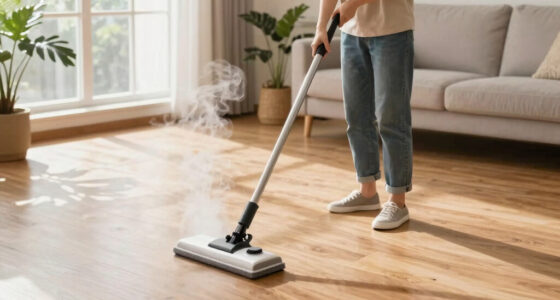
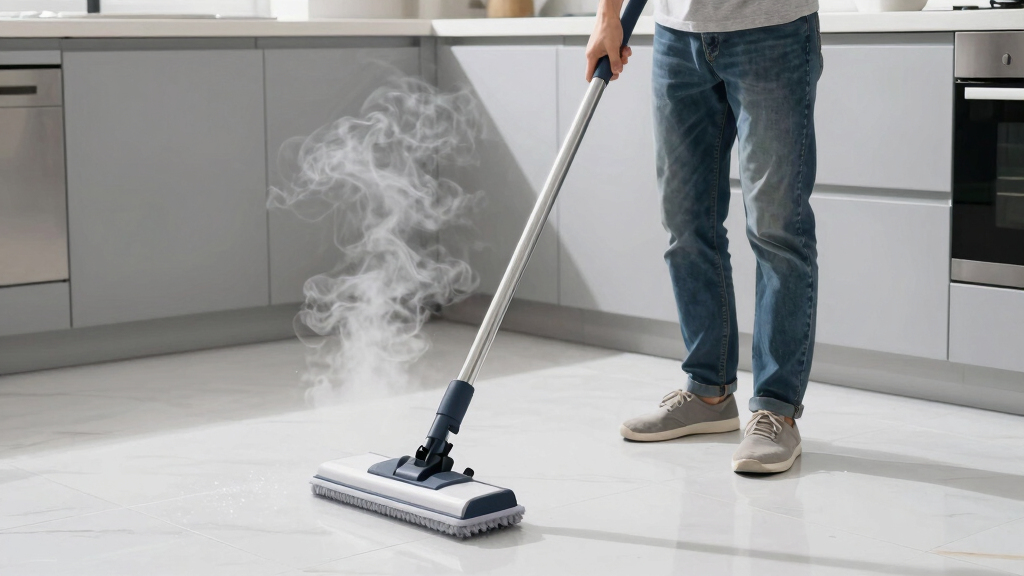
Steam mopping tile floors effectively hinges on technique. Start by setting your steam level to low or medium—excessive steam can saturate grout or cause surface deterioration. Moving the mop slowly, about 1–2 feet per second, allows the heat to loosen dirt and bacteria without pooling or puddling, which can lead to streaks or water stains. Overlapping each pass ensures complete coverage and prevents streaks or missed spots. Don’t press down hard; instead, let the weight of the mop do the work. Think of guiding the mop like a gentle dance—smooth, steady, and deliberate. For example, a quick, overlapping pass along kitchen tiles ensures every inch gets cleaned and bacteria are killed, but rushing can cause water to seep into grout lines and lead to discoloration or damage.
Patience is critical; rushing can leave behind residues or cause water pooling, especially on porous tiles or delicate grout. Consistent, gentle passes preserve the integrity of your surfaces while achieving a deep clean. The tradeoff is that slower, more deliberate movements take a bit more time but significantly reduce the risk of damage, ensuring your floors stay pristine without harm.
As an affiliate, we earn on qualifying purchases.
How to Care for Your Tile and Grout After Mopping
Once you’re done, let the floor air dry or gently wipe with a dry microfiber cloth. This prevents water spots, streaks, and possible mineral deposits that can cause discoloration over time. Regularly cleaning your steam mop’s filter and descaling it with vinegar is essential because mineral buildup from tap water can clog the system and deposit deposits on your tiles, dulling their appearance. Proper maintenance of your equipment ensures consistent steam output and prolongs the life of your mop and your tiles.
If grout looks discolored or stained over time, avoid harsh chemicals because they can weaken the grout’s structure. Instead, try a baking soda paste combined with a soft brush—this gentle abrasive lifts stains without damaging the porous grout. Following up with a light steam pass can help refresh the grout’s appearance, sealing in the cleaning action. Consistent care prevents buildup and keeps your tiles and grout looking their best, extending their lifespan and maintaining their aesthetic appeal.
What You Need to Know About Surface Safety and Common Mistakes
Steam mopping is safe for most glazed ceramic and porcelain tiles, but natural stone like marble or limestone can be sensitive to heat and moisture. Always check your manufacturer’s guidelines before starting. For example, natural stones may crack, stain, or develop surface etching if exposed to high heat or excess water, which can be costly to repair or replace. Understanding these distinctions helps you avoid unintended damage and extends the life of your surfaces.
A common mistake is using too much steam or holding the mop in one spot too long. This can cause grout discoloration, surface staining, or even surface cracking, especially on delicate or porous tiles. Always test first on a small, inconspicuous area to observe how your tiles react. Keep the steam moving smoothly across the surface, never lingering in one place. This cautious approach minimizes the risk of damage, saves you money, and ensures your floors stay beautiful and durable over time. Industry experts emphasize that understanding the limitations of your surfaces and adjusting your technique accordingly is key to long-term success.
Quick Tips for a Sparkling, Safe Tile Floor Every Time
- Use distilled water—minerals in tap water can cause mineral deposits on tiles, leading to dullness or staining over time.
- Test a hidden corner first—every surface reacts differently, and testing helps prevent unexpected damage.
- Don’t oversaturate—less steam is often more effective and safer, preventing water from seeping into grout or under tiles.
- Follow manufacturer instructions—each mop and tile type has unique needs; ignoring these can cause damage or reduce cleaning effectiveness.
- Clean your mop regularly—descale and wash filters to prevent mineral buildup, ensuring consistent performance and protecting your surfaces.
For example, a quick weekly steam session keeps kitchen tiles shiny and bacteria-free without harsh chemicals, but neglecting proper maintenance can lead to mineral deposits or surface wear over time.
Frequently Asked Questions
Is steam mopping safe for all types of tile and grout?
Most glazed ceramic and porcelain tiles handle steam well, but natural stone like marble may be sensitive. Always check your manufacturer’s recommendations and test a small area first.How often should I steam mop my tile floors?
For typical household traffic, once a week is enough to keep dirt and bacteria at bay. Adjust frequency based on foot traffic and household needs.Can I use a steam mop on unsealed grout?
Unsealed grout absorbs moisture more easily, so use caution. It’s safer to avoid excessive steam or opt for dry brushing and spot cleaning instead.What should I do if my grout turns discolored or stained?
Try a paste of baking soda and water, gently scrub with a soft brush, then steam lightly to lift stains. Avoid harsh chemicals that can damage grout.How do I prevent damage when steam mopping my floors?
Use the lowest effective steam setting, move slowly, avoid holding the mop in one spot, and always test first. Following manufacturer instructions is key.Conclusion
Mastering steam mopping tile floors boils down to patience, proper technique, and knowing your surfaces. A gentle, deliberate pass with the right settings can leave your tiles gleaming and bacteria-free—no harsh chemicals needed. When you treat your floors with care, they’ll reward you with a clean, fresh look for years to come.Fall Picks
fall essentials
As an affiliate, we earn on qualifying purchases.