TL;DR

Get cleaning gear delivered free with Prime
- Fast, free delivery on millions of items
- Prime Video, Amazon Music and more included
- Member-only deals all year
Hot water mops involve manually soaking and wringing, while steam mops generate high-temperature steam to clean and sanitize. Steam mops are more convenient and eco-friendly, but not suitable for all surfaces. Both can be effective—your choice depends on your floor type and cleaning priorities.
When it comes to cleaning hard floors, you might think all mops are created equal. But the truth is, hot water mops and steam mops work very differently—and understanding those differences can save you time, effort, and even protect your floors.
Whether you’re tackling sticky kitchen spills or deep-down grime, knowing which tool suits your needs is essential. This guide breaks down the key differences, recent innovations, and practical tips—so you can choose what’s best without guesswork.
Steam mops reach higher temperatures, naturally sanitizing surfaces without chemicals.
Hot water mops are more manual, affordable, and better for delicate or unsealed floors.
Always test a hidden area before using either method on new or delicate surfaces.
Recent innovations have made steam mops safer, faster, and more versatile.
Choose based on your floor type, cleaning needs, and safety preferences for best results.
What Exactly Is a Hot Water Mop and How Does It Work?
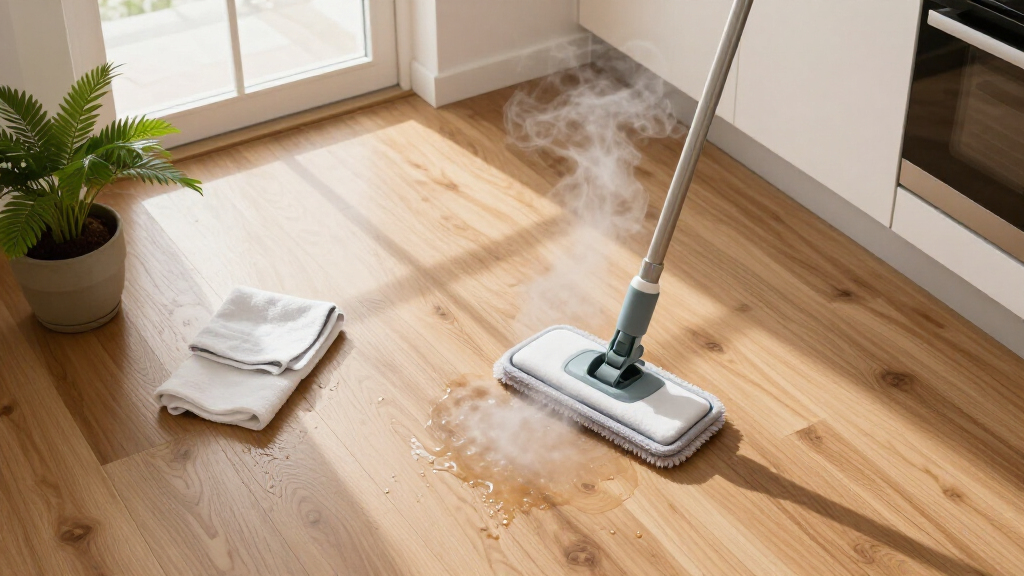
A hot water mop is your classic cleaning tool, involving soaking a traditional mop in hot water or a cleaning solution. You then manually wring out excess water and drag it across your floors. The heat helps loosen dirt and grease, making your scrubbing more effective.
Imagine standing in your kitchen, dunking a sturdy microfiber mop into a bucket of steaming water with a splash of dish soap. You wring it out until just damp, then glide it over your laminate floor, feeling the textured surface beneath. The warmth softens grime, but the actual cleaning power depends on your effort and the cleaning solution you add.
This method is simple, affordable, and adaptable. However, it requires physical effort, frequent rinsing, and is less sterile than some alternatives.
As an affiliate, we earn on qualifying purchases.
How Does a Steam Mop Clean and Disinfect? The Power of High-Temperature Steam
Steam mops generate high-temperature steam—often above 212°F (100°C)—using a built-in boiler. The steam is released through a mop head, penetrating deep into surface pores to loosen dirt and kill germs.
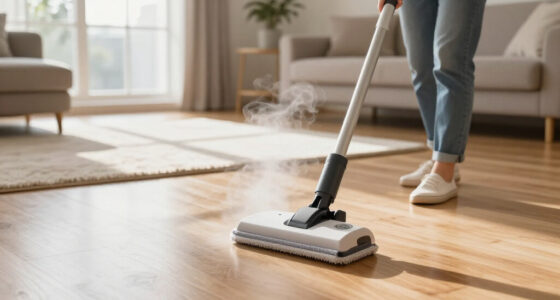
Picture a sleek, lightweight device humming softly as it heats up. You press a button, and a cloud of hot steam begins to drift out, melting away grime on your tile or laminate floor. Because of the intense heat, steam mops naturally disinfect without adding chemicals, which is a big plus for allergy sufferers or eco-conscious homes.
This method offers a deep clean and sanitization with minimal effort—just glide and let the high heat do the work. But it’s crucial to match your floor type with the right steam mop to avoid damage.
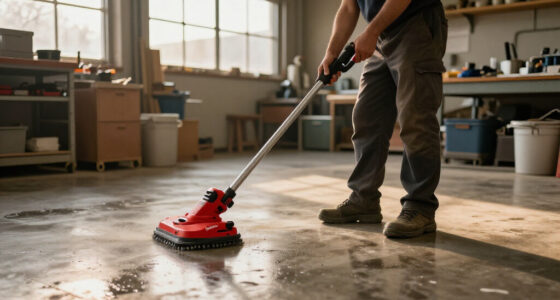
hot water mop with microfiber head
As an affiliate, we earn on qualifying purchases.
As an affiliate, we earn on qualifying purchases.
Hot Water vs Steam Mop: How They Stack Up Side-by-Side
| Feature | Hot Water Mop | Steam Mop |
|---|---|---|
| Cleaning Method | Manual soaking, wringing, and mopping | |
| Temperature | Typically below boiling point, around 140-180°F (60-80°C) | |
| Sanitization | Depends on water temperature and disinfectants used | |
| Ease of Use | Requires manual effort, frequent rinsing | |
| Surface Compatibility | Suitable for most hard floors, but abrasive for delicate surfaces | |
| Eco-Friendliness | Uses water and chemicals; environmental impact varies | |
| Convenience | Less convenient, more effort involved | |
| Cost | Lower upfront cost |
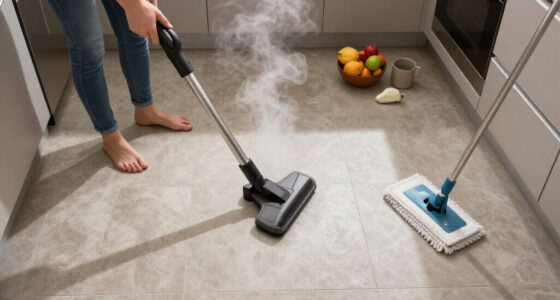
electric steam mop for deep cleaning
As an affiliate, we earn on qualifying purchases.
As an affiliate, we earn on qualifying purchases.
Which One Is Better for Your Floors? Quick Guide to Compatibility
Choosing between a hot water mop and a steam mop depends heavily on your floor type. For sealed tiles, vinyl, and laminate, both are safe, but steam mops are gentler and eliminate germs without chemicals. For hardwood or unsealed surfaces, hot water mops are safer, as steam can cause warping or damage.
Imagine a homeowner with a bamboo floor. They find steam mops too risky, risking warping or swelling, so they stick with hot water mops, using gentle cleaning solutions. Conversely, a family with sealed tile finds steam mops ideal for quick, chemical-free sanitation.
Always test a hidden area first and follow manufacturer guidelines. When in doubt, consult your floor’s cleaning instructions.
best steam mop for laminate floors
As an affiliate, we earn on qualifying purchases.
As an affiliate, we earn on qualifying purchases.
Safety First: Using Hot Water and Steam Mops Without Risks
Both tools come with safety considerations. Hot water mops involve handling hot water and cleaning solutions, so wear gloves and avoid splashing. Steam mops produce high heat, so never point the steam at your skin or unsealed surfaces.
Picture an owner carefully filling the water tank of a steam mop, then waiting for it to heat up. They keep children and pets away, and use the device with a steady hand. Always unplug before refilling or cleaning the device, and test on a small area first.
Follow safety instructions to avoid burns, water damage, or floor harm. When used properly, both tools are safe and effective.
Recent Innovations Make Both Mops Smarter and Safer
Recent innovations in hot water and steam mops aim to improve safety, convenience, and effectiveness. Modern steam mops now feature adjustable steam settings, larger water tanks, and cordless designs, making cleaning faster and safer.
Some hot water mops incorporate heating elements to maintain consistent water temperature, reducing manual effort. Hybrid devices combine traditional mopping with steam, offering versatility in one gadget.
An example? A cordless steam mop with a 300ml tank heats in 30 seconds, allowing quick clean-ups without dragging cords. These advances make cleaning easier, safer, and more eco-friendly.
Which Mop Saves You Money and Time in the Long Run?
Cost-wise, hot water mops usually start cheaper but may require frequent replacements of mop heads and cleaning solutions. Steam mops have higher upfront costs—sometimes double or triple—but reduce the need for chemical cleaners and offer faster, more thorough cleaning.
Picture a busy parent balancing budget and time. They opt for a steam mop, investing in a durable model, because it cuts cleaning time by half and eliminates the cost of harsh chemicals.
Consider your cleaning frequency and surface types—sometimes, the initial expense pays off over time with savings on cleaning supplies and effort.
Real Questions People Ask About Hot Water and Steam Mops
- Is a steam mop better at killing germs? Yes, steam mops can reach temperatures that effectively sanitize surfaces without chemicals.
- Can I use a steam mop on hardwood? Only if the hardwood is sealed and manufacturer-approved. Testing a small area first is key.
- Do hot water mops disinfect better? Not necessarily. They depend on the water temperature and disinfectant used, but generally don’t reach the high heat of steam mops.
- Is it safe to use a steam mop on vinyl? Yes, if the vinyl is sealed. Check manufacturer guidelines to avoid warping or damage.
- Which is faster: hot water or steam? Steam mops heat up quickly and cover larger areas faster than manually soaking and wringing a hot water mop.
Conclusion
Understanding the core difference—that steam mops use high heat to clean and disinfect, while hot water mops rely on manual effort and solutions—helps you make smarter choices. Both can work well, but your floor type and safety concerns should guide your pick.
Next time you stand in front of your cleaning closet, remember: the right tool makes a real difference. A clean floor isn’t just about appearance; it’s about doing it safely, efficiently, and sustainably. What will you choose for your home?
Halloween Picks
halloween
As an affiliate, we earn on qualifying purchases.