
TL;DR

Get cleaning gear delivered free with Prime
- Fast, free delivery on millions of items
- Prime Video, Amazon Music and more included
- Member-only deals all year
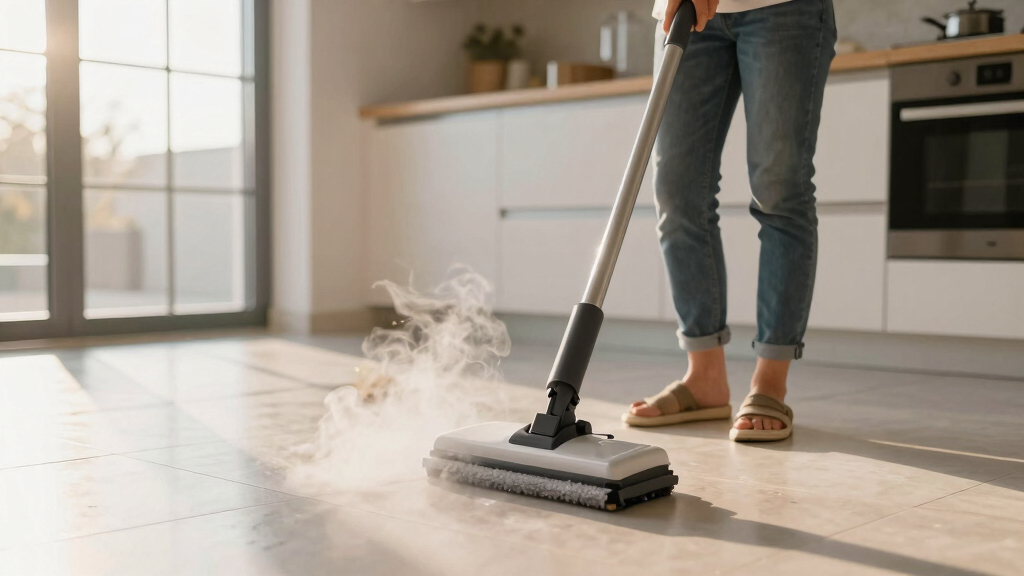
Steam mopping is a safe, chemical-free way to clean porcelain tiles when done correctly. Regularly, use the right settings, and avoid prolonged steam on grout to preserve your floors’ beauty and integrity.
Imagine a cleaning method so effective that it kills bacteria, loosens dirt, and leaves your tiles gleaming—all without chemical cleaners. That’s the promise of steam mopping your porcelain floors. But not all steam mops are created equal, and porcelain tiles require careful handling to avoid damage.
In this guide, you’ll learn how to use steam mops safely on porcelain, the latest innovations in steam technology, and practical tips to keep your floors looking pristine. Whether you’re a seasoned homeowner or new to steam cleaning, this is everything you need to know to make your floors shine without risking harm.
Always test a small hidden area before steam mopping your porcelain tiles to prevent surface or grout damage.
Use distilled or demineralized water to avoid mineral buildup and prolong your steam mop’s life.
Adjust steam settings based on dirt level—medium is usually safe for regular cleaning, while high should be reserved for stubborn stains.
Keep moving the mop steadily—don’t hold it in one spot, especially on grout lines, to prevent discoloration.
Regularly descale your steam mop to maintain peak performance and avoid mineral clogging.
Steam Mopping Porcelain Tile: Everything You Need to Know
TL;DR: Steam mopping is a safe, chemical-free way to clean porcelain tile when you use the right water, the right setting, and steady movement. The tile can handle moisture well; grout needs more care.
Porcelain is steam-friendly. Grout is where technique matters.
Typical steam temperature used to loosen grime and sanitize surfaces.
Avoid lingering over grout lines to reduce discoloration risk.
Weekly steaming suits most moderate-traffic porcelain floors.
Mineral deposits when using distilled or demineralized water.
Balanced cleaning power with minimal grout stress.
Check a hidden area before cleaning the whole floor.
The Safe-Cleaning Rules
Porcelain tile is highly resistant to water and staining, but prolonged heat and moisture can stress grout. These five habits keep the clean deep and the risk low.
Start Hidden
Test a small out-of-sight area first, especially with unglazed tile or older grout.
Use Distilled
Distilled or demineralized water prevents mineral clogging and streaky deposits.
Favor Medium
Medium steam handles everyday grime; high steam belongs on stubborn residue only.
Keep Moving
Move steadily in straight passes. Do not park the mop on grout lines.
Descale Often
Regular descaling keeps steam even, strong, and less likely to spit mineral buildup.
Dry Damp Grout
If moisture pools along grout, wipe it with a dry microfiber cloth after steaming.
How to Steam Mop Porcelain
A simple workflow removes loose debris first, controls moisture during cleaning, and protects grout at the finish.
Clear
Sweep or vacuum sand, grit, crumbs, and loose dirt before heat enters the picture.
Prepare
Fill with distilled water, attach a clean microfiber pad, and choose low or medium steam.
Glide
Move in slow straight lines without pressing hard or pausing over grout.
Dry
Use a dry microfiber cloth where excess moisture appears, especially in grout channels.
Steam Settings vs. Floor Impact
Adjust the steam level to the job. More heat is not automatically better; the safest cleaning comes from matching steam to soil level.
| Steam Level | Effective For | Porcelain Tile | Grout Risk | Best Use |
|---|---|---|---|---|
| Low | Light dirt, regular maintenance | ✓ Very gentle | ✓ Lowest risk | Quick refreshes and delicate grout |
| Medium | Everyday cleaning, moderate grime | ✓ Ideal balance | ~ Safe with movement | Weekly cleaning for most homes |
| High | Greasy residue, stubborn spots | ~ Use selectively | ✗ Risk if held still | Short passes on problem areas only |
What Matters Most
Steam cleaning succeeds when the floor, water, settings, and maintenance work together. The biggest avoidable risk is heat lingering on porous grout.
Risk Control Priorities
Steam Exposure Scale
Under three seconds on grout keeps exposure controlled. Longer pauses increase the chance of darkening, weakening, or crumbling over time.
Technology That Helps
Newer steam mops make porcelain cleaning easier by adding control, mobility, and safeguards that reduce user error.
Dial Heat Down
Variable output lets you use gentler steam on grout, unglazed porcelain, edges, and low-soil areas.
Clean Without Snags
Cordless models improve maneuverability, making it easier to keep the pad moving in smooth passes.
Prevent Accidents
Automatic shut-off and lock systems reduce overheating risk when the mop is idle.
Target Tight Lines
Special attachments clean edges and corners with more precision than a broad pad alone.
From Prep to Shine
A good result is not one trick. It is a linked chain of small decisions that protect tile, grout, and machine performance.
Is Steam Mopping Safe for Porcelain Tiles? Here’s What You Need to Know
Yes, porcelain tiles are generally safe for steam cleaning because they’re durable and water-resistant. But care matters. Excessive heat or prolonged steaming on grout lines can cause discoloration or weaken the grout over time.
For example, if you hold a steam mop in one spot on your grout for too long, you might see a slight darkening or crumbling after a few months. Using the right settings and technique prevents this.
Always test a small, hidden area before a full clean—this quick check helps confirm your floor’s compatibility and your machine’s safety.
As an affiliate, we earn on qualifying purchases.
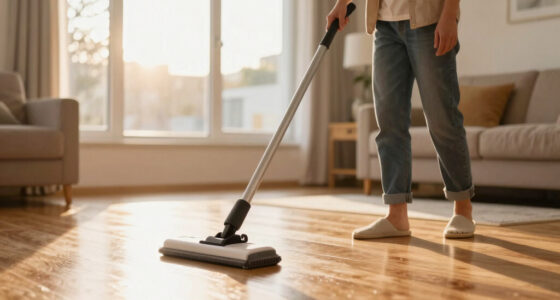
How to Steam Mop Your Porcelain Floor in 4 Simple Steps
- Clear the floor: sweep or vacuum to remove loose dirt, sand, and debris.
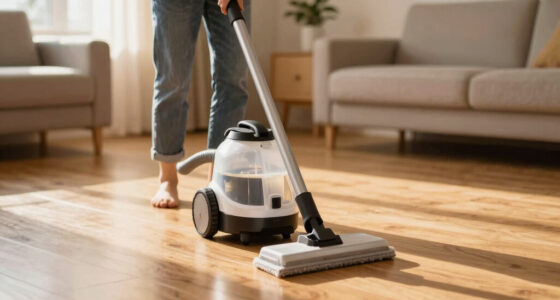
- Prepare your steam mop: fill with distilled or demineralized water, and select a low or medium steam setting.
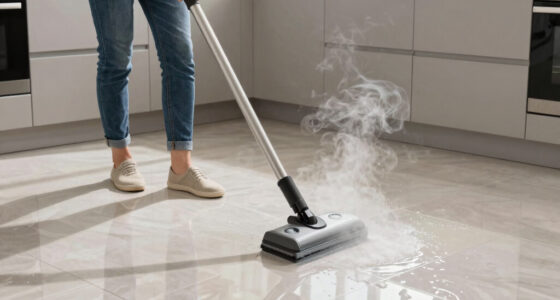
- Start steaming: move slowly in straight lines, avoiding holding the mop in one place for too long—especially on grout lines.
- Finish and dry: go over the floor with a dry microfiber cloth if you notice excess moisture, especially on grout.
This method ensures you loosen dirt without risking grout damage or surface discoloration.
best steam mop with adjustable settings
As an affiliate, we earn on qualifying purchases.
As an affiliate, we earn on qualifying purchases.
Compare Steam Settings and Their Impact on Porcelain Floors
| Steam Level | Effective For | Risks |
|---|---|---|
| Low | Light dirt, regular maintenance | Less effective on stubborn stains |
| Medium | Everyday cleaning, moderate grime | Minimal risk if used properly |
| High | Deep cleaning, greasy residue | Potential grout damage if held in place |
Adjust your steam setting based on the dirt level and the manufacturer’s instructions to avoid unnecessary wear.
As an affiliate, we earn on qualifying purchases.
Latest Tech Improvements Make Steam Mopping Safer and Easier
Modern steam mops now come with adjustable steam controls, cordless operation, and safety locks. For instance, some models let you dial down the steam for delicate grout or unglazed tiles, reducing the risk of damage.
Take a cordless model with a quick heat-up time—this means less fumbling, more efficient cleaning. Safety features like automatic shut-off ensure the device turns off if left idle, preventing accidents.
Plus, new attachments target grout and tight corners, giving you a more thorough clean without extra tools.
As an affiliate, we earn on qualifying purchases.
How to Avoid Damaging Your Grout and Tiles When Steam Cleaning
The key is moderation and technique. Never hold the steam mop in one spot for more than 3 seconds. Keep the pad moving steadily across the surface.
For grout lines, use a lower steam setting or an attachment designed for grout cleaning. If you notice any discoloration or crumbling, stop steaming that area immediately.
Regularly descale your machine to prevent mineral buildup, which can cause uneven steam and potential surface harm.
What Water Should You Use in Your Steam Mop? Avoid Mineral Buildup
Distilled or demineralized water is your best bet. Tap water contains minerals that can clog your steam mop and leave behind deposits on your tiles.
Mineral buildup can cause uneven steam, reducing effectiveness and potentially damaging your surface over time.
For example, a homeowner switching to distilled water noticed their device ran smoother and cleaner after a few weeks—saving money on repairs and replacements.
How Often Should You Steam Mop Porcelain Floors? Keep Them Looking New
Once a week suffices for most households with moderate foot traffic. If your floors get a lot of wear—think kids, pets, or heavy traffic—consider doing it twice weekly.
Overdoing it can wear out grout faster or cause minor surface issues, especially if technique isn’t perfect.
Use your judgment—if your floors look clean and fresh, you’re probably good. Regular steaming keeps bacteria at bay and maintains the tile’s natural luster.
Can Steam Cleaning Damage Your Grout? What You Need to Know
Yes, if you use too much heat or hold the mop over grout lines too long, you risk discoloration or deterioration. Grout is porous and more sensitive to moisture and heat.
For example, some homeowners noticed grout lines darkening after a few months of frequent steaming. Using lower steam levels and quick passes helps prevent this.
Always test first, and keep steam moving—don’t linger in one spot.
Best Water for Your Steam Mop: Keep It Mineral-Free
Use distilled or demineralized water to avoid mineral deposits clogging your device and leaving streaks on your tiles. Tap water’s minerals can build up quickly, especially in hard water areas.
Switching to mineral-free water extends your steam mop’s lifespan and keeps cleaning effective over time.
Many users report that after switching to distilled water, their device’s performance improved noticeably.
Are There Alternatives to Steam Mopping for Porcelain Tiles?
Absolutely. Traditional mopping with a pH-neutral cleaner, dry dusting, or vacuuming can also keep your floors clean. But steam offers a deeper, chemical-free clean that’s especially good for sanitizing and removing stubborn grime.
For example, a homeowner found that steaming once a week kept their kitchen tiles spotless, while a quick mop with just water was enough for everyday touch-ups.
Choose what fits your lifestyle, but remember: steam mopping can be a game-changer if done correctly.
Conclusion
Steam mopping can give your porcelain floors a deep, hygienic clean without harsh chemicals—if you follow these simple tips. Proper technique, regular maintenance, and the right settings protect your investment and keep your floors looking their best.
Next time you reach for your steam mop, remember: patience and moderation are your best allies. A well-maintained floor is a reflection of both your cleaning skills and your care for your home’s beauty.
Halloween Picks
halloween
As an affiliate, we earn on qualifying purchases.