TL;DR

Get cleaning gear delivered free — and shop member deals
- Fast, free delivery on millions of items
- Access to Prime Big Deal Days deals on October 6–7
- Prime Video, Amazon Music and more included
A steam mop weighing around 5–7 pounds when empty strikes a good balance between ease of handling and cleaning power. Consider weight distribution, handle design, and tank size for best results. The right weight depends on your home, strength, and floor type.
Ever tried maneuvering a heavy steam mop and felt your arm protesting after just a few minutes? You’re not alone. The weight of your steam mop can make or break your cleaning experience, especially if you have stairs, limited strength, or long floors to cover.
Today, we’ll explore the practical aspects of choosing a steam mop weight that makes your chores easier — without sacrificing cleaning power. We’ll cover what matters most, from weight distribution to handle design, and give you real-world tips to pick the best fit for your home and body.
A 5–7 pound empty steam mop offers the best balance for most households.
Weight distribution and handle ergonomics are just as important as total weight.
Always test a model with water to gauge actual handling after filling.
Large tanks add weight but reduce refilling; small tanks increase agility.
Choose a lightweight, balanced mop if you have stairs or limited strength.
The Right Steam Mop Weight for Easy Handling
For most households, an empty weight of 5–7 pounds delivers the most practical balance of agility, stability and steam capacity. But the number on the box is only the beginning: tank size, balance, steering and handle design determine how heavy the mop actually feels.
Find your practical range
Light models reward agility; heavier models can offer capacity and stability. The middle range fits the broadest mix of homes and users.
| Weight range | Ideal for | Handling | Capacity | Main tradeoff |
|---|---|---|---|---|
| Under 5 lb | Small homes, minimal lifting | ✓Very agile | ~Usually smaller | Fewer features or less stability |
| 5–7 lb | Most households | ✓Balanced | ✓Practical | Best general compromise |
| 7–9 lb | Larger, single-level areas | ~More effort | ✓Often larger | Harder to lift and steer |
| Over 9 lb | Multifunction cleaning | ✗Demanding | ✓High | Fatigue on stairs and long sessions |
Empty weight is not cleaning weight
A filled tank changes both total mass and balance. Accessories, detergent bottles and detachable handheld units can add even more.
How much water adds
A realistic example
That extra pound can be especially noticeable when lifting the mop, changing direction or supporting a top-mounted tank through the handle.
What makes a mop feel lighter
A well-designed 7-pound mop may feel easier than a poorly balanced 5-pound model. Evaluate the whole handling system.
Low, centered weight
A tank and boiler positioned near the floor reduce the load supported through your wrist and handle.
Responsive swivel
A smooth pivot joint makes furniture and corners easier to navigate without forceful wrist movements.
Low pad resistance
Thick, dirty or saturated pads increase drag, making even a lightweight body feel laborious.
Adjustable handle
The right height, grip and angle help you remain upright while reducing shoulder and back fatigue.
Secure carry grip
For stairs, check one-handed lifting, tank security, cord storage and the location of the grip.
Managed power cord
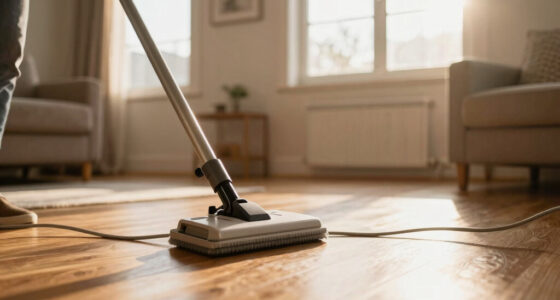
A long, loose cord can catch on furniture and add handling effort even when the mop itself is light.
Different homes need different priorities
Your strength, layout and cleaning habits should set the target—not the longest feature list.
Aim below 6 pounds
Prioritize balance, a secure carry grip and manageable filled weight over maximum tank capacity.
Choose 5–7 pounds
This range usually offers enough stability and capacity without becoming difficult to steer or carry.
Consider 7–9 pounds
A larger tank may reduce refill interruptions if you rarely need to lift the machine between levels.
Favor light and compact
A small tank, fast heat-up time and simple storage can make everyday use much more convenient.
Take the five-movement handling test
Test with water whenever possible. A label describes mass; these movements reveal whether the mop will remain comfortable in your real cleaning routine.
Fill
Use a realistic amount of water and include any attachment you expect to use.
Push
Check pad drag and whether the head stays flat without extra downward force.
Pivot
Turn tightly around an obstacle and notice any strain through your wrist.
Reach
Slide under furniture while keeping your back upright and shoulders relaxed.
Carry
Lift it as if climbing stairs. Check the grip, cord and tank stability.
Why the right weight makes cleaning a breeze
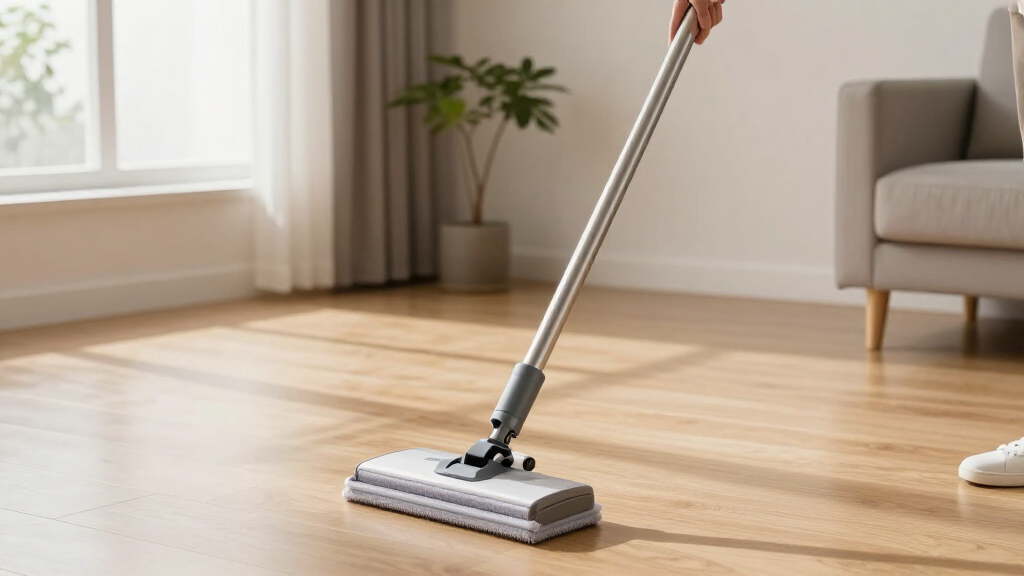
A steam mop’s weight influences how easily you push, turn, and carry it around your home. For most users, a mop weighing around 5–7 pounds when empty hits that sweet spot. It’s light enough to handle comfortably but hefty enough to stay stable on the floor.
If your mop is too light, you might struggle with control or find it feels flimsy. Too heavy, and your arm tires quickly, especially during longer sessions or when lifting it onto stairs. Balance is everything, and the way weight is distributed plays a big role.
Design choices like a low center of gravity, well-placed handles, and balanced weight distribution can mitigate some of the downsides of heavier models. Conversely, poorly balanced mops can feel awkward regardless of weight, leading to fatigue and potential strain. Therefore, understanding the implications of weight distribution helps you choose a mop that feels intuitive and reduces physical effort, making cleaning less of a chore and more of a manageable task.
As an affiliate, we earn on qualifying purchases.
The real-world impact of weight on your cleaning routine
Imagine you’re tackling a large, open living room. A 6-pound mop lets you glide effortlessly, turning corners with one hand. When filled with water, it might weigh about 7 pounds, still manageable for most. This ease encourages longer, more thorough cleaning sessions without fatigue.
Contrastingly, a 9-pound mop can feel cumbersome, especially when you need to lift it onto furniture or stairs. This added weight can cause you to rush through your chores or avoid certain areas altogether, leading to incomplete cleaning. Over time, the physical strain can also cause discomfort or injury, especially for those with joint issues or limited strength. The tradeoff here is between the stability and capacity of heavier models versus the agility and reduced fatigue of lighter ones. Recognizing how weight affects endurance helps you prioritize the features that align with your cleaning habits and physical capabilities, ultimately making your routine more sustainable and less taxing.
As an affiliate, we earn on qualifying purchases.
Compare common steam mop weights in a quick table
| Weight Range | Ideal For | Pros | Cons |
|---|---|---|---|
| Under 5 lbs | Small homes, minimal lifting | Very portable, easy to carry | Smaller tanks, fewer features |
| 5–7 lbs | Most households, all-around use | Balance of lightness and capacity | Limited longer-term stability |
| 7–9 lbs | Larger areas, feature-rich models | Stable, larger tanks | Harder to lift and steer |
| Over 9 lbs | Heavy-duty, multi-function | Large tanks, stable base | Tiring for stairs, longer sessions |
As an affiliate, we earn on qualifying purchases.
Why weight isn’t everything — other factors matter more
While weight influences handling, other design elements can make a big difference in how manageable and effective your steam mop feels. For example, a well-balanced mop with its water tank positioned low and centered on the body creates a low center of gravity, which enhances stability and reduces the effort needed to maneuver. This means that even a slightly heavier mop can feel lighter and more responsive if its weight is distributed properly.
Features like swivel steering and handle ergonomics further reduce physical strain. A handle designed with a comfortable grip and adjustable height allows you to maintain proper posture, decreasing fatigue during extended cleaning. Responsive heads that pivot smoothly enable easier navigation around furniture without requiring excessive force. These design considerations can compensate for heavier weights, making the mop feel lighter and more user-friendly, which is crucial if you plan to clean for extended periods or have physical limitations.
As an affiliate, we earn on qualifying purchases.
Picking a mop weight for different households and needs
Every home and user is different. An older adult or someone with wrist pain benefits from a lighter, balanced mop, ideally under 6 pounds. Its handle should feel comfortable, with a grip that doesn’t strain, and the overall weight should be easy to lift and maneuver without causing fatigue or discomfort.
Homes with stairs need a compact, lightweight model that’s easy to lift when filled, reducing the risk of accidents or strain. Conversely, large, single-level homes might tolerate a slightly heavier mop with a bigger tank, which reduces the frequency of refills and can handle larger cleaning areas more efficiently. For those who focus on quick spot-cleaning or have limited storage space, prioritizing a lightweight, quick-heat model with easy storage options makes daily maintenance simpler. If you prefer multi-purpose cleaning, models with detachable handheld units can be advantageous, but keep in mind they tend to add weight and complexity, so choose one that balances functionality and ease of handling.
What’s new in steam mop design — lighter, smarter, better
Design trends focus on reducing weight without sacrificing steam power. Manufacturers now use lighter plastics and compact boilers, which not only make models easier to handle but also improve maneuverability. Lighter materials can sometimes compromise durability if not chosen carefully, so look for quality construction alongside weight reduction.
Additional features such as wider steering angles and adjustable steam controls allow for more precise handling, reducing effort during use. Removable tanks facilitate easier refilling and cleaning, decreasing the overall weight you need to lift and carry. Some brands have introduced quick heat-up systems and washable microfiber pads that attach smoothly, making the mop feel more agile and less cumbersome. These innovations collectively enhance user comfort, especially for prolonged cleaning sessions or users with physical limitations, by making the mop lighter and more responsive without sacrificing performance.
Test before you buy: what to check for handling and weight
When shopping, compare both empty and filled weights. If possible, test the mop with water in the tank, pushing, turning, and maneuvering it to assess real-world handling. Lifting it with a full tank helps you understand the actual weight you’ll be managing during cleaning tasks. Pay particular attention to how the weight feels when the mop is in motion, and whether the handle ergonomics support a natural posture.
Evaluate the handle height to ensure it matches your stature, reducing the need to bend or stretch. Check if the mop head stays flat and responsive when reaching under furniture, as this indicates good design that minimizes effort. Remember, a lighter mop isn’t just about raw weight — how that weight is distributed and how the design facilitates ease of movement are equally important. Prioritize models that feel balanced and comfortable in your hand, and don’t hesitate to test multiple options to find the most manageable choice.
Handling safety: don’t forget the floor type
Easy handling doesn’t mean every floor is safe for steam. Moisture-sensitive surfaces like unsealed wood, damaged laminate, or unwaxed floors can warp, stain, or be damaged by excessive moisture and heat. Always check your flooring’s manufacturer guidelines before steaming to avoid costly repairs or surface deterioration.
Hold the mop stationary only on approved surfaces, and avoid concentrated heat on delicate areas. Using the right amount of steam and maintaining proper technique can prevent accidental damage. Additionally, be cautious when lifting or maneuvering the mop on stairs or uneven surfaces—an improperly balanced or heavy mop increases the risk of slips or falls. Proper handling techniques and selecting a suitable weight for your floor type ensure both safety and longevity of your flooring, making your cleaning routine safer and more effective.
Your quick guide to choosing the right weight for your home
- Think about your strength and mobility. If lifting is tough, go for 5–6 pounds empty, ensuring the mop is manageable without strain.
- Estimate your floor size. Larger areas may justify a slightly heavier model with a bigger tank, reducing refills and enhancing efficiency.
- Test handling in-store if possible. Push, lift, and turn to see what feels natural and comfortable for you.
- Prioritize handle comfort and steering responsiveness over just weight, as these features significantly impact ease of use.
- Check manufacturer specs for weight with water — don’t rely only on dry weight, since the filled weight determines actual handling during use.
Frequently Asked Questions
What is the ideal steam mop weight?
For most users, around 5–7 pounds when empty strikes a good balance. It’s light enough to handle easily but heavy enough to stay stable and effective.Is a lighter steam mop always better?
Not necessarily. Very light models may lack capacity or stability, making cleaning less efficient. The key is balance and design, not just weight.How much heavier does a steam mop become after filling?
Add about 2.2 pounds for every liter of water. For example, a half-liter tank adds roughly 1.1 pounds when full, so consider this when lifting or carrying.Should I compare empty weight or full weight?
Both are important. Empty weight helps with storage and lifting, while full weight shows what you’ll handle during actual use.Are heavier steam mops better at removing dirt?
Not necessarily. Effectiveness depends more on steam delivery and pad condition. Heavier models may press more firmly, but technique matters too.Conclusion
Your choice of steam mop weight can turn cleaning from a tiring chore into a manageable task. Focus on balance, handle design, and how it feels when filled — not just the number on the label.
Remember, the best mop is the one you can comfortably maneuver and control. When you pick the right weight, every sweep feels smoother, faster, and less painful — leaving you more time to enjoy a truly clean home.
Fall Picks
fall essentials
As an affiliate, we earn on qualifying purchases.