TL;DR
Your steam mop trips the circuit breaker mainly due to electrical overloads, damaged cords, or water ingress. Regular maintenance and proper circuit use can prevent this. Know when to troubleshoot or call in a pro.
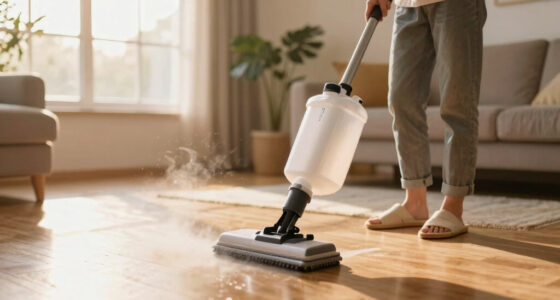
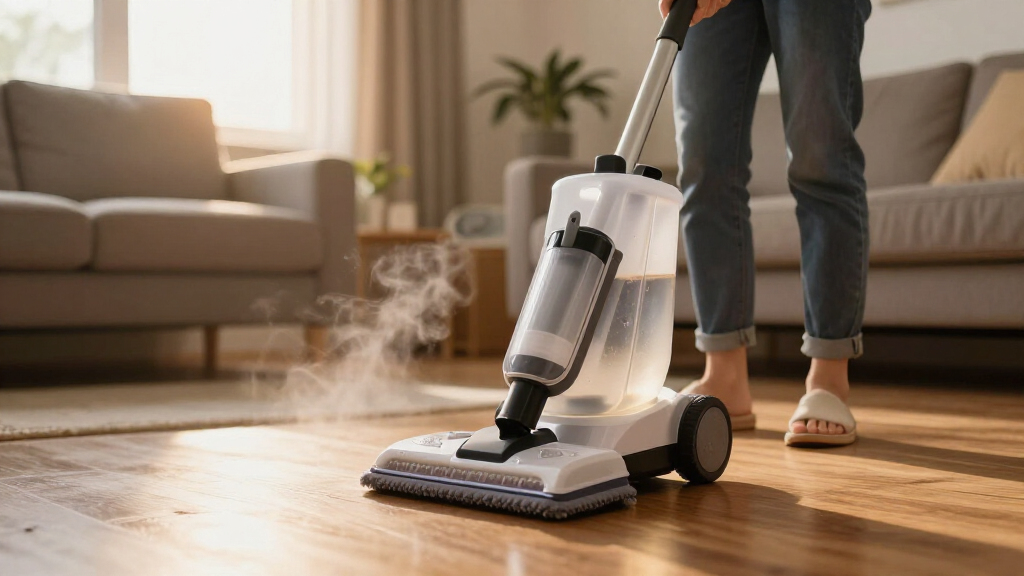
Imagine steaming your hardwood floor, only to have the circuit breaker trip halfway through. Frustrating, right? That sudden shutdown might seem like a mystery, but it’s often a sign of an electrical hiccup lurking inside your steam mop.
In this guide, you’ll learn why your steam mop trips the breaker, what internal or external issues cause it, and how to fix or prevent these problems. Understanding these electrical quirks saves you time, money, and keeps your home safe.
Always use a dedicated circuit for your steam mop to prevent overloads.
Inspect the power cord regularly for damage—replacing it if needed.
Water leaks into electrical parts cause shorts—keep your mop dry and well-maintained.
Older steam mops are more prone to internal faults—consider timely replacement.
Modern models with safety features reduce the risk of electrical faults and trips.
Why Your Steam Mop Trips the Circuit Breaker
The breaker is doing its job. Overloads, damaged cords, water ingress and failing internal parts can all trigger a protective shutdown. The pattern of the trip helps reveal where the fault may be.
The six usual suspects
Start outside the appliance, then work inward. Never open or repair energized electrical components unless you are qualified.
Electrical overload
The mop and other appliances together demand more current than the circuit is rated to carry.
Damaged power cord
Frayed insulation, crushed wiring or damage near the plug can create an immediate short circuit.
Water ingress
Leaks reaching wiring, the motor housing or heating components can produce dangerous electrical paths.
Shared outlet load
A fridge, microwave, vacuum or heater on the same branch circuit may leave too little capacity for the mop.
Heating element
A cracked or shorted heating element may pull excess current even when the cord and outlet look normal.
Age and fatigue
Brittle insulation, loose connections and a worn heating coil become more likely as the appliance ages.
How a busy circuit crosses the line
Illustrative circuit usage shows why adding one high-power appliance can push a shared branch circuit to its protective limit.
Illustrative 15-amp circuit load
Follow the evidence—then know when to stop
Use this sequence without dismantling the appliance. A trip at any stage can indicate a fault requiring professional evaluation.
Unplug and cool
Disconnect power immediately. Let the mop cool fully before inspection.
Inspect outside surfaces
Check the plug, cord, housing, tank and seals for damage, leaks or corrosion.
Reduce circuit load
Use a known working outlet on a less-loaded or dedicated circuit.
Escalate the fault
If it trips again, stop testing and contact a qualified technician or replace the mop.
Repeated trips mean stop using the appliance.
Do not keep resetting the breaker. A persistent overload, ground fault or short can create shock, fire and equipment-damage risks.
What the timing of the trip may tell you
This comparison is a screening guide, not an electrical diagnosis. More than one cause may produce the same symptom.
| Trip pattern | Likely clue | Safe first check | Continue using? |
|---|---|---|---|
| Trips instantly | Short circuit, cord damage or serious internal fault | Unplug; inspect the plug, cord and housing | ✗ Stop immediately |
| Trips as heat builds | Heating-element fault, overheating or excess current draw | Allow cooling; check for blocked steam paths | ✗ Service required |
| Trips only on one circuit | Overloaded branch circuit or outlet problem | Remove other loads; evaluate circuit capacity | ~ Diagnose first |
| Trips after leaking | Water ingress or corrosion near electrical parts | Disconnect power and look for visible moisture | ✗ Do not energize |
| Works on a dedicated circuit | Original circuit was likely carrying too much load | Confirm circuit rating and appliance wattage | ✓ If undamaged |
Five habits that protect the mop and circuit
Choose a dedicated circuit
Avoid running another high-power appliance on the same branch.
Inspect before use
Look closely where the cord bends near the plug and appliance body.
Keep components dry
Correct leaks promptly and store the mop upright in a dry location.
Maintain steam paths
Follow the maker’s cleaning guidance to reduce deposits and overheating.
Retire recurring faults
Older units with repeated electrical problems may be safer to replace.
The safety chain
Frequently asked questions
Is it safe to keep using a mop that trips the breaker?
No. Repeated trips indicate an overload or electrical fault. Stop using it until the cause is professionally diagnosed.
What if the cord is damaged?
Unplug the mop and have the cord replaced by a qualified technician. Do not tape over frayed or exposed wiring.
Can I repair the heating element myself?
Internal electrical repair should be left to a qualified professional unless you have the appropriate training and test equipment.
When is replacement the better choice?
Consider replacement when the unit is older, water-damaged, visibly deteriorated or still trips breakers after safe external checks.
Electrical overloads and short circuits are the main culprits
When your steam mop trips the circuit breaker, it’s often because it’s drawing too much current. Most household circuits in North America run at 15 or 20 amps. If the mop’s heating element or motor pulls more than that, the breaker trips to protect your wiring.
For example, plugging the mop into a shared outlet with a vacuum or other appliances can overload the circuit. A short circuit—say, caused by damaged wiring inside the mop—can immediately trip the breaker, too.
To avoid this, always use a dedicated circuit for high-power appliances and inspect your mop’s cord regularly for damage.
As an affiliate, we earn on qualifying purchases.
Damaged power cords turn safety into a hazard
A frayed or cracked power cord isn’t just a safety risk—it’s a common cause of circuit breaker trips. When the wiring inside the cord gets exposed or damaged, it can cause a short or increase current flow unexpectedly.
Imagine pulling your steam mop out after months of use, only to find the cord’s insulation worn thin near the plug. Plugging that into a busy outlet can easily trip the breaker.
Regularly inspect the cord, especially where it bends or twists. If you spot damage, replace the cord or have it repaired by a qualified technician.

MQKAKR Water Tank Gasket & Cap Set Replacement Compatible with Shark S35010 / S3501 Pocket Steam Mop – Leak‑Seal Repair Kit (Black)
- Complete Repair Kit: Includes cap and gasket for S35010
- Leak Prevention: Reduces water leaks around tank opening
- Perfect Fit: Designed for precise compatibility with model
As an affiliate, we earn on qualifying purchases.
As an affiliate, we earn on qualifying purchases.
Water leaks into electrical parts? Big trouble.
Steam mops generate intense heat and moisture. If water leaks into electrical components—like the heating element or wiring—short circuits can happen. These faults draw excess current or cause immediate trips.
Picture a steam mop that’s been used heavily and stored improperly, leading to water seeping into the motor housing. Every time you turn it on, the water creates a short, tripping the breaker.
Always check for leaks or corrosion, and never use a mop that shows signs of water damage. Regular cleaning and storage in a dry place help keep electrical parts safe.

Shark Steam Mop for Sealed Hard Floors with 2 Dirt Grip Pads, White, S1000
- Chemical-Free Sanitization: Removes grease with steam only
- Removable Water Tank: Easy to refill for continuous cleaning
- Lightweight Design: Under 5 lbs for easy handling
As an affiliate, we earn on qualifying purchases.
As an affiliate, we earn on qualifying purchases.
Overloading circuits is a recipe for trips
Plugging your steam mop into a circuit already busy with other devices can overload it. For example, if your kitchen outlet powers the fridge, microwave, and vacuum, adding a steam mop could push the circuit past its limit.
To prevent this, try using a different outlet that’s less loaded or run only one high-power appliance at a time. Using a dedicated circuit for your steam mop makes a big difference.
Remember: don’t just unplug a few devices. Check your breaker’s capacity and plan accordingly.
Shark Steam Mop for Sealed Hard Floors with 2 Dirt Grip Pads, White, S1000
- Chemical-Free Sanitization: Removes grease with steam only
- Removable Water Tank: Easy to refill for continuous cleaning
- Lightweight Design: Under 5 lbs for easy handling
As an affiliate, we earn on qualifying purchases.
As an affiliate, we earn on qualifying purchases.
Malfunctioning heating elements are silent breakers trippers
The heating element is the core of your steam mop. If it’s faulty—say, cracked or shorted—it can cause electrical faults that trip your breaker. A bad element might draw too much current or cause internal shorts.
Imagine turning on your mop, and suddenly the breaker trips, even after cleaning the filter and checking the cord. That’s often a sign of a failing heating element.
If you suspect this, it’s best to have it checked or replaced by a professional. Never try to fix internal electrical parts yourself unless qualified.
Age and wear make electrical faults more likely
Like any appliance, steam mops wear out over time. Internal wiring can become brittle or loose, and components may degrade. An older mop might trip the breaker more often because of internal faults.
For example, a 5-year-old steam mop used weekly might develop cracks in wiring insulation or a worn-out heating coil. Regular inspections and timely replacements prevent surprises.
When your trusty mop starts tripping the breaker more frequently, it’s time to consider a replacement or professional repair.
How modern safety features help prevent electrical issues
Many newer steam mops come with built-in safety features like thermal cut-offs, automatic shut-off, and better insulation. These help prevent electrical faults that trip breakers.
For instance, a model with a thermal sensor automatically turns off if it overheats, reducing the risk of shorts or overloads.
Keeping your eye on these features during purchase can save you headaches and keep your home safer.
Troubleshooting and when to call a professional
If your steam mop keeps tripping the breaker, start with these steps:
- Inspect the power cord for damage.
- Unplug and clean the mop, checking for leaks or debris.
- Try plugging it into a different outlet on a dedicated circuit.
- Test the mop on a known working circuit.
If issues persist, it’s safest to have a professional examine the internal wiring, heating element, or motor. Electrical repairs can be dangerous if you’re not qualified.
Frequently Asked Questions
Why does my steam mop keep tripping the circuit breaker?
It’s often because the mop draws more current than the circuit can handle, or there’s a short or internal fault like a damaged cord or water leak. Inspect these areas first before proceeding with repairs.
Is it safe to keep using a steam mop that trips the breaker?
No. Frequent trips indicate an electrical fault that could lead to fires or damage. Stop using it until the problem is diagnosed and fixed by a professional.
How can I prevent my steam mop from tripping the circuit breaker?
Use a dedicated circuit, inspect and replace damaged cords, keep the mop dry, and avoid overloading circuits with multiple high-power devices.
What should I do if my steam mop’s cord is damaged?
Replace the cord or have it repaired by a qualified technician. Do not attempt to fix electrical cords yourself unless certified.
When should I replace my steam mop due to electrical issues?
If it’s old, shows signs of internal damage, or keeps tripping the breaker despite troubleshooting, consider replacing it for safety and efficiency.
Conclusion
A trip circuit breaker is your home’s way of saying something’s not right. Whether it’s a damaged cord, water ingress, or internal wear, addressing these issues keeps your floors clean and your electrical system safe.
Remember: never ignore repeated breaker trips. When in doubt, consult a professional. Your safety and peace of mind are worth it—and your floors will thank you.