TL;DR

Get cleaning gear delivered free with Prime
- Fast, free delivery on millions of items
- Prime Video, Amazon Music and more included
- Member-only deals all year
Steam mopping cork floors can cause swelling, warping, or damage due to cork’s porosity. Always follow manufacturer advice, use gentle cleaning methods, and avoid excess moisture for lasting beauty.
Cork floors are a cozy, natural choice for many homes, offering warmth that feels like a soft hug under your feet. But when it comes to cleaning them with a steam mop, things get tricky. Many don’t realize that cork’s porosity makes it especially vulnerable to moisture damage, which can sneak up over time and cost you dearly.
If you’re considering using a steam mop or already do so, understanding the risks and proper techniques can save you from costly repairs or premature replacement. This guide covers what nobody warns you about when steam mopping cork floors — backed by the latest insights and practical tips.
Cork’s porosity makes it highly sensitive to excess moisture, which can cause swelling and warping.
Always check the manufacturer’s guidance before using a steam mop on cork floors.
Opt for dry or mildly damp microfiber mops over steam cleaning to preserve your cork’s look and structure.
Test a small, hidden area before full cleaning to avoid surprises.
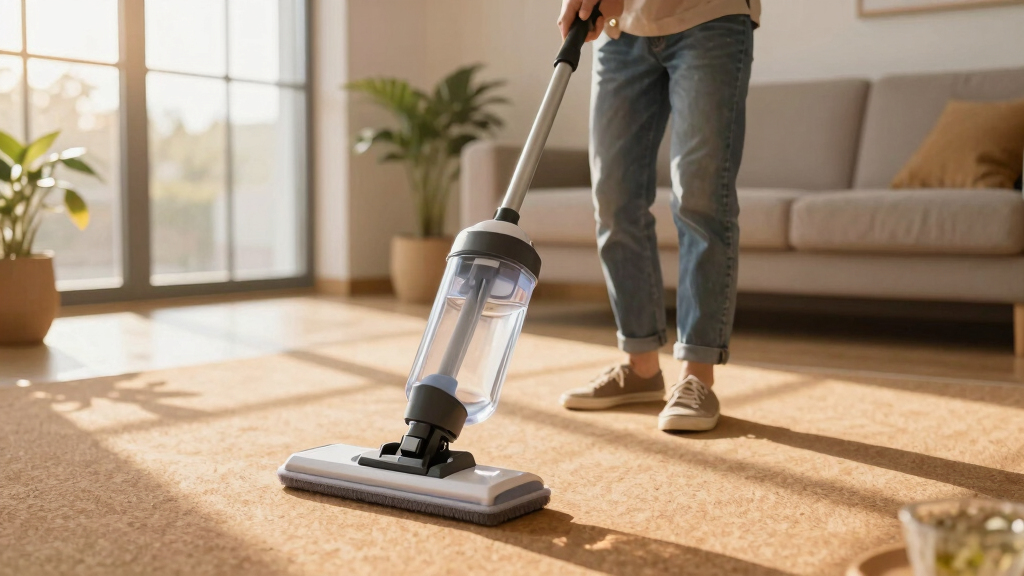
Modern steam mops with adjustable settings can be safer if used cautiously and approved by the manufacturer.
Steam Mopping Cork Floors: What Nobody Warns You About
TL;DR: Steam mopping cork floors can cause swelling, warping, delamination, and finish damage because cork is porous. Manufacturer guidance, gentle microfiber cleaning, and strict moisture control are the real protection plan.
Steam feels clean. Cork feels the moisture first.
Moisture Is the Hidden Cost of Convenience
Cork’s natural cellular structure gives it warmth, cushioning, and insulation, but that same structure can absorb moisture. Steam drives heat and water vapor deeper than a lightly damp cloth, which can overwhelm the finish and reach the cork beneath.
Porosity Works Like a Sponge
Even small amounts of excess moisture can darken the surface, seep through worn finish, and trigger expansion in vulnerable cork tiles or planks.
Steam Pushes Deeper
High heat can soften finishes and encourage moisture to penetrate instead of staying on the surface where it can be wiped away quickly.
Layers Can Separate
Repeated moisture intrusion may weaken adhesive bonds, causing delamination, bubbling, buckling, or uneven seams that are often difficult to reverse.
What Nobody Warns You About
The warning is not just “water is bad.” The real problem is the chain reaction: moisture enters, cork expands, the finish or adhesive struggles, and visible damage appears later.
- 01 Steam softens or bypasses a worn surface finish.
- 02 Moisture settles into cork’s porous cellular structure.
- 03 Expansion causes raised edges, bubbles, or uneven boards.
- 04 Repeated cleaning weakens adhesive and protective coatings.
Cleaning Methods Compared
For cork, the safest method is the one that removes grit and residue while leaving the least moisture behind. Steam only belongs in the conversation when the flooring maker explicitly allows it.
| Method | Moisture Load | Cork Safety | Best Use | Warning |
|---|---|---|---|---|
| Dry microfiber mop | None | ✓ Safest | Daily dust, grit, and light debris | Use a soft pad to avoid abrasion. |
| Slightly damp microfiber | Low | ✓ Recommended | Routine cleaning with controlled moisture | Dry any remaining moisture immediately. |
| pH-neutral cleaner | Low to medium | ~ Test first | Small sticky spots or mild residue | Dilute carefully and never flood the floor. |
| Adjustable steam mop | Medium to high | ~ Only if approved | Rare use on approved sealed cork | Lowest setting, quick pass, hidden-area test. |
| High-heat steam mop | High | ✗ Avoid | Not advised for cork flooring | Can accelerate swelling, warping, and delamination. |
How to Tell If Your Floor Is Too Vulnerable
Before considering steam, inspect the finish and test a hidden spot. If moisture darkens the cork, lingers, or creates a raised feel, the floor is telling you it cannot handle steam.
Inspect the Finish
Look for dull patches, soft spots, scratches, tackiness, or uneven sheen that suggest worn protection.
Dampen a Hidden Area
Use a lightly damp cloth in a low-visibility corner. Do not soak, puddle, or scrub aggressively.
Watch for Darkening
If the surface darkens, swells, or stays damp, skip steam and use dry or barely damp methods.
Follow the Maker
Manufacturer care instructions outrank generic cleaning advice, especially for warranties and sealed products.
The Cleaning Plan Cork Actually Likes
Think moisture control first. Clean grit before it scratches, use only mild dampness when needed, and remove leftover water before it can enter seams or worn finish.
Vacuum or Sweep First
Remove grit with a soft broom or hard-floor vacuum setting. This prevents small particles from acting like sandpaper under the mop.
Use Barely Damp Microfiber
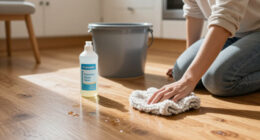
Wring the mop thoroughly. The pad should feel lightly damp, not wet, and it should never leave puddles behind.
Choose pH-Neutral Cleaner
For stubborn marks, use a small amount of diluted pH-neutral cleaner approved for cork or hardwood-style finishes.
Dry Immediately
Use a soft cloth to remove any leftover moisture, then ventilate the room so seams and edges dry quickly.
Can I use a steam mop on cork floors?
Most guidance says no unless your flooring manufacturer explicitly approves it. If approved, use the lowest steam setting and test first.
What should I do if cork gets wet?
Dry the area immediately with a soft cloth, increase ventilation, and monitor for swelling, bubbling, or warping over the next few days.
Are sealed cork floors waterproof?
No. A good finish improves resistance, but scratches, age, seams, and wear can still let moisture reach the cork below.
What is the safest everyday method?
Dry cleaning for dust and grit, followed by a barely damp microfiber mop only when the floor actually needs it.
Final Takeaway
Steam mopping cork floors is not a simple yes-or-no question, but the risk is real. If the manufacturer does not clearly approve steam, choose microfiber, low moisture, quick drying, and gentle cleaners instead. Cork stays beautiful longest when it is cleaned carefully, not saturated.
From Cleaning Choice to Floor Health
Why Cork Floors Hate Excess Moisture — And How Steam Mops Make It Worse
Cork is a natural, porous material that acts like a sponge when exposed to water or steam. This porosity is a double-edged sword: while it contributes to cork’s natural cushioning and insulation properties, it also makes it highly susceptible to moisture ingress. When you use a steam mop, the heat causes the moisture to penetrate deeper into the cork’s cellular structure than a simple damp cloth would allow. This deep infiltration can lead to swelling, warping, and even delamination, where layers of cork peel apart. These changes are often irreversible, compromising both the appearance and structural integrity of your floor.
Why does this happen? Cork’s cellular makeup is designed to absorb and release moisture naturally, but excessive or prolonged moisture exposure overwhelms its ability to dry out properly. This results in the cork expanding beyond its normal dimensions, causing buckling or uneven surfaces. Over time, repeated moisture intrusion can weaken the adhesive bonds between cork tiles or planks, leading to separation or increased susceptibility to damage from everyday wear.
Ignoring manufacturer warnings or using high-temperature steam settings exacerbates these issues. The tradeoff is clear: while steam cleaning can seem like an efficient way to sanitize and clean, it risks compromising your floor’s durability. This is especially critical if your cork flooring isn’t sealed with a robust, waterproof finish, as unsealed surfaces are even more vulnerable to moisture damage.
As an affiliate, we earn on qualifying purchases.
How to Spot a Cork Floor That’s Too Porous for Steam Cleaning
Not all cork floors respond the same way to moisture. Some have a water-resistant finish, while others are more porous. Recognizing these differences is crucial because it directly impacts your cleaning choices. A more porous floor lacks a durable sealant layer, meaning it can absorb moisture rapidly, leading to swelling and structural issues. Conversely, a sealed cork floor with a high-quality finish can resist some moisture, but even then, the seal isn’t foolproof and can wear over time.
To determine your floor’s vulnerability, start by inspecting the surface. If the finish feels soft, tacky, or uneven, it’s a sign that the sealant may be compromised or the cork is naturally porous. Conduct a simple test: dampen a small, inconspicuous area with a cloth. If the area darkens, swells, or retains moisture longer than expected, it indicates high porosity. This means steam cleaning could accelerate damage rather than help.
Understanding your floor’s porosity helps you weigh the risks. For floors with a sealed finish, gentle cleaning with a microfiber cloth dampened with water and neutral cleaner is safer. For unsealed or highly porous cork, avoiding moisture altogether is the best approach. Remember, even floors that appear sealed can develop micro-scratches or wear that compromise their waterproofing over time.
For example, a homeowner noticed her cork floor darkened and slightly bubbled after using a steam mop. She realized her finish might be compromised, prompting her to switch to a dry, microfiber method. Recognizing porosity is about understanding your floor’s resilience and acting accordingly to prolong its life.
adjustable steam mop with safety settings
As an affiliate, we earn on qualifying purchases.
As an affiliate, we earn on qualifying purchases.
The Best Cleaning Methods for Cork Floors That Keep Them Happy
When cleaning cork, the goal is to remove dirt and grime without introducing excess moisture. Using a microfiber mop that’s just slightly damp — never soaked — is ideal. This method minimizes the risk of water seeping into the cork’s cellular structure, which could cause swelling or warping. Regular vacuuming or sweeping is essential to remove grit that can scratch or dull the surface over time. For stubborn spots or stains, a small amount of pH-neutral cleaner diluted in water can be effective, but always test first and use sparingly.
Here’s a simple step-by-step:
- Vacuum or sweep to clear debris.
- Dampen your microfiber cloth or mop with a mixture of water and a few drops of neutral cleaner — never use a soaking wet mop.
- Gently wipe the floor, ensuring no puddles or excess water remain.
- If any moisture is left, dry immediately with a soft cloth to prevent absorption.
This approach respects the natural porosity of cork while effectively cleaning it. Think of it as giving your floor a gentle hug — clean and cared for, but not overwhelmed by water. Consistent use of this method helps maintain the cork’s appearance, prevents swelling, and extends the life of any protective finish.
As an affiliate, we earn on qualifying purchases.
Frequently Asked Questions
Can I use a steam mop on cork floors?
Most experts advise against it unless your flooring manufacturer explicitly approves. If you do, use the lowest steam setting and test first to prevent damage from excess moisture.What’s the safest way to clean cork floors?
Use a dry or slightly damp microfiber mop, vacuum regularly, and avoid excessive water or steam. For stubborn spots, a pH-neutral cleaner diluted in water works best.How do I know if my cork floor can handle steam cleaning?
Check the finish — sealed floors are more resistant but still vulnerable. Test a small hidden area with a damp cloth; if it darkens or swells, avoid steam cleaning altogether.What should I do if my cork floor gets wet?
Dry the area immediately with a soft cloth, increase ventilation, and monitor for swelling or warping over the next few days.Are there any safe steam mops for cork floors?
Some models with adjustable, low-temperature settings may be safe if your flooring manufacturer approves. Always test before full use.As an affiliate, we earn on qualifying purchases.
Conclusion
Steam mopping cork floors isn’t a simple yes-or-no question. While it offers quick cleaning, the risks of moisture damage are real — and often irreversible. Your best bet is to stick with gentle, moisture-controlled methods that respect the porosity and delicate finish of cork.
Think of your cork floor like a living thing — it needs care, not a splash of excess water. When in doubt, choose a soft microfiber cloth over steam, and always follow your flooring’s specific care instructions. Your floors will thank you for it — and stay beautiful longer.
Halloween Picks
halloween
As an affiliate, we earn on qualifying purchases.