
TL;DR

Get cleaning gear delivered free with Prime
- Fast, free delivery on millions of items
- Prime Video, Amazon Music and more included
- Member-only deals all year
Pet urine can seep into tile grout and beneath tiles, making odor removal tricky. Using enzymatic cleaners, deep cleaning grout, and sealing surfaces can restore freshness and prevent future smells. Acting quickly is key.
Imagine the rich, pungent aroma of pet urine lingering stubbornly on your tile floor, even after multiple washes. That smell isn’t just surface-deep — it seeps into tiny cracks and grout lines, making it tough to banish. But don’t worry—there are practical, safe ways to tackle this odor and keep your home smelling fresh.
This guide walks you through step-by-step methods for removing pet urine smell from tile floors. We’ll cover everything from quick cleanups to deep treatments, plus tips to prevent future odors. If you want your tiles to smell clean and pet-friendly, read on.
Act quickly after a pet accident to prevent odor from settling into grout and beneath tiles.
Use enzymatic cleaners for deep, long-lasting odor removal, especially on grout lines.
Sealing grout lines creates a barrier that keeps future odors at bay and makes cleaning easier.
Steam cleaning at a low setting helps break down stubborn odor molecules without damaging tiles.
Consistent maintenance and pet training are essential to keep your tile floors smelling fresh.
How to Remove Pet Urine Smell From Tile Floors
Pet urine rarely stays on the surface. It can settle into porous grout, tiny cracks and spaces beneath loose tiles. The winning formula is simple: act fast, break down the urine proteins, clean deeply and seal vulnerable surfaces.
Why the smell keeps coming back
A quick mop may clean the tile face while leaving dried urine compounds inside grout. Humidity can reactivate those residues, making an apparently clean floor smell again.
Porous grout
Unsealed grout absorbs liquid more readily than glazed tile, carrying odor below the visible surface.
Residual proteins
Ordinary cleaners may mask the smell without fully breaking down the organic material that causes it.
Cracks & tile edges
Older accidents can travel through damaged grout or loose tile joints and may need repeated treatment.
The six-stage odor reset
Work from absorption to protein breakdown, then finish with neutralization and complete drying. Always follow cleaner and flooring manufacturer instructions.
Blot & rinse
Absorb fresh urine. Rinse lightly with warm water.
Apply enzyme
Cover the tile and grout; allow 15–30 minutes.
Scrub grout
Use a suitable stiff brush on joints and crevices.
Steam carefully
Use low heat only if approved for the floor.
Neutralize
Let baking soda sit overnight on the dry area.
Remove & dry
Vacuum, wipe lightly and ventilate completely.
Why enzymes outperform masking
Enzymatic products are designed to digest odor-causing organic residue. Household chemicals may reduce surface odor but can be less reliable for deep contamination.
| Feature | Household chemical | Enzymatic cleaner |
|---|---|---|
| Breaks down urine proteins | ✗ Limited | ✓ Very effective |
| Odor neutralization | ~ Often temporary | ✓ Long-lasting |
| Grout penetration | ~ Product dependent | ✓ Designed for residue |
| Surface safety | ✗ Damage risk | ✓ Safe for most tile |
Protect the tile—and the next cleanup
Material compatibility matters. Test every product in a hidden area, never combine cleaning agents and avoid leaving excess moisture around grout or tile edges.
Low and controlled
Check manufacturer guidance first. Use the lowest effective setting, work for 3–5 minutes and dry the floor promptly.
Never mix products
Avoid bleach on sensitive tile or grout. Vinegar can harm some stone and cementitious surfaces; use it only when the manufacturer approves.
Stop repeat absorption
Clean accidents immediately, use enzyme products in pet zones and reinforce a consistent designated potty area.
Seal grout only after it is clean and fully dry
Apply a compatible breathable sealer evenly with a brush or applicator. Test a small area first. A sound seal reduces absorption, shortens future cleanup and helps prevent odor molecules from settling deep into grout.
From accident to fresh floor
Each stage addresses a different part of the problem. Skipping protein breakdown or drying can allow odor to return.
Fast answers for stubborn odors
When the smell survives several treatments, inspect cracked grout, loose tiles and adjoining areas instead of repeatedly soaking the same surface.
How do I remove an old, stubborn smell?
Apply an enzymatic cleaner, allow the labeled contact time and scrub grout. Repeat after drying. Use approved low-setting steam as a supporting treatment.
Can I use bleach or vinegar?
Both can damage certain tile or grout. Enzymatic cleaner is the safer first choice for urine residue. Never mix bleach, vinegar or other cleaners.
What is the best method for affected grout?
Saturate only as directed, wait 15–30 minutes, scrub with a suitable brush, remove residue and dry fully. Seal only after the odor is gone.
Are there natural odor remedies?
Baking soda can absorb residual odor on a dry surface. Natural options may support cleanup, but enzymes remain the stronger choice for deep organic residue.
How long will complete removal take?
A fresh accident may clear within hours. Older contamination can require repeated treatments over several days, especially when grout is porous.
When should I call a professional?
Seek help when odor returns after repeated enzyme treatments, tiles are loose, grout is crumbling or contamination appears to have reached the subfloor.
Quick action + enzymes + dry grout = lasting freshness
Blot before the accident sits, treat the source rather than masking it and protect clean grout against the next spill.
Why Pet Urine Smell Lingers and How to Stop It Fast
Pet urine smell sticks around because urine seeps into grout lines and even beneath tiles, especially if it’s been left untreated for a while. Once dried, the odor molecules embed themselves into porous surfaces, making simple wiping ineffective. The key? Act quickly and choose the right cleaning method.
If your pet has an accident, blot the area with paper towels immediately. Then, rinse with warm water and a gentle cleaner designed for tile. The faster you respond, the less chance the odor has to set in.
enzymatic pet urine cleaner for tile floors
As an affiliate, we earn on qualifying purchases.
As an affiliate, we earn on qualifying purchases.
Step-by-Step Guide to Clean Old Pet Urine Odors from Tile
- Blot and rinse: Use paper towels to soak up fresh urine. Rinse with warm water.
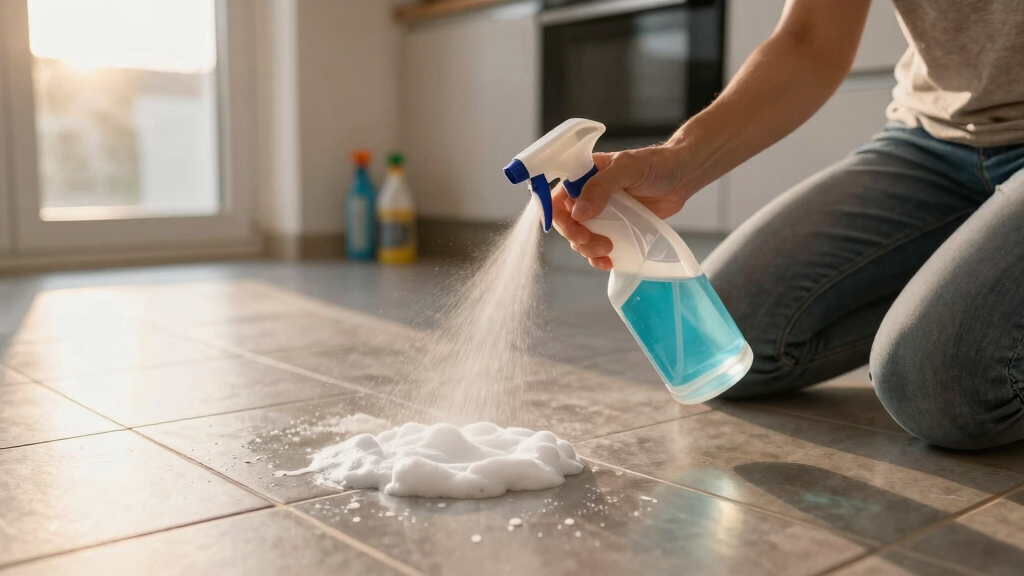
- Apply enzymatic cleaner: Spray generously on the affected area, especially grout lines. Let it sit for 15-30 minutes.
- Scrub grout lines: Use a stiff brush to work the cleaner into cracks and crevices.
- Deep clean with steam: Use a steam cleaner on the lowest setting, focusing on grout and tile surfaces.
- Neutralize odors: Sprinkle baking soda over the area and let it sit overnight.
- Vacuum and wipe: Remove baking soda and wipe with a clean, damp cloth.
Repeat this process if odors persist. For stubborn smells, consider sealing grout or reapplying enzymatic cleaners.
As an affiliate, we earn on qualifying purchases.
What Makes Enzymatic Cleaners Better for Pet Odor Removal?
| Feature | Household Chemical | Enzymatic Cleaner |
|---|---|---|
| Breaks down urine proteins | Limited | Very effective |
| Odor neutralization | Temporary | Long-lasting |
| Surface safety | Risk of damage | Safe for most tiles |
Enzymatic cleaners specifically target the proteins in pet urine that cause lingering odors. They’re a must-have for deep cleaning, especially on grout and beneath tiles. These proteins, if not fully broken down, can cause odors to reappear over time, making enzymatic cleaners a more reliable choice for long-term freshness. According to an anonymous researcher, these cleaners can eliminate up to 80% more odor than household options, which highlights their importance for persistent smells.
As an affiliate, we earn on qualifying purchases.
Best Surface Treatments to Prevent Future Odors
Prevention starts with sealing your grout lines. A good sealant creates a barrier that blocks moisture and odor molecules from penetrating deep into porous surfaces. This barrier is crucial because once odors seep into unsealed grout, they can become trapped and difficult to remove later, often requiring repeated cleaning or sealing. For example, sealing grout with a high-quality, breathable sealant can last 2-3 years and make future cleanings easier, but choosing the wrong product or applying it improperly can compromise its effectiveness. Consider the porosity of your grout and the environment—more porous grout absorbs more odors and needs more frequent sealing. Applying a grout sealer after thorough cleaning ensures that future spills or accidents won’t penetrate as deeply, reducing the risk of long-term odors and making your maintenance routine more manageable.
Consider applying a grout sealer after thorough cleaning. Test it on a small area first, then apply evenly with a brush or roller. This simple step can save you time and headaches later.
As an affiliate, we earn on qualifying purchases.
How to Use Steam Cleaning Safely on Tile & Grout
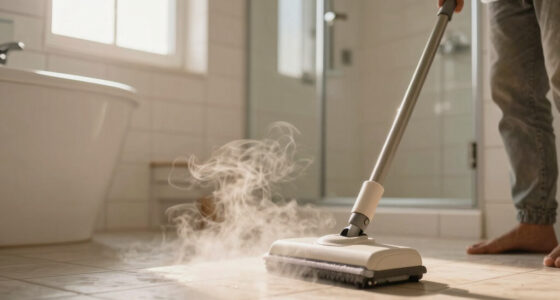
Steam cleaning can be a powerful ally against pet odors, but it must be done carefully. Use a steam cleaner with a low to medium setting, and avoid excessive moisture that can weaken grout or damage delicate tiles. Always check your manufacturer’s guidance before starting.
Test on a hidden spot first, then run the steam over grout lines and tile surfaces for 3-5 minutes. The heat helps break down residual proteins and neutralize odors. Remember, never oversaturate the area.
It’s important to understand that while steam cleaning can help eliminate odors, it is not a cure-all. Excessive moisture can cause grout to weaken over time or lead to mold growth if not properly dried. Therefore, balancing steam temperature and duration is crucial. Using a steam cleaner with adjustable settings allows you to optimize heat without over-saturating surfaces, ensuring both safety and effectiveness in odor removal.
Quick Tips for Keeping Your Tile Fresh and Odor-Free
- Clean spills immediately—don’t let urine sit even for 10 minutes.
- Use enzymatic cleaners regularly, especially in pet areas.
- Seal grout lines after cleaning to prevent absorption.
- Run a steam cleaner once a month for deep odor control.
- Train pets to use designated potty spots to minimize accidents.
Frequently Asked Questions
How do I remove old, stubborn pet urine odors from tile floors?
Use a combination of enzymatic cleaners and a steam cleaner. Apply the enzyme product, scrub grout lines, then steam for deep odor neutralization. Repeating the process may be necessary for very old odors.
Can I use bleach or vinegar to clean pet urine from tiles?
Bleach and vinegar can be harsh and may damage certain tile surfaces or grout. Enzymatic cleaners are safer and more effective for pet odors. Always test any cleaner in a small hidden area first.
What is the best way to clean grout lines affected by pet urine?
Apply an enzymatic cleaner and let it sit for 15-30 minutes, then scrub with a stiff brush. For tough stains, repeat this process or consider sealing the grout afterward to prevent future absorption.
Are there safe, natural remedies for pet urine odor removal?
Yes, baking soda and vinegar are natural options. Baking soda absorbs odors, and vinegar neutralizes them. However, enzymatic cleaners remain the most effective for deep odors.
How long does it typically take to eliminate pet urine smell completely?
It depends on the severity. Light accidents may take a few hours with prompt cleaning, while older, deep-seated odors might require repeated treatments over several days.
Conclusion
Getting pet urine smell out of tile floors isn’t magic — it’s about quick action, the right products, and sealing surfaces to block odors. Take these steps seriously, and your tiles will stay fresh and welcoming.
Remember, a clean, odor-free home isn’t just about looks — it’s about how it smells. Keep up with regular cleaning and prevention, and your pets and your nose will thank you.
Fall Picks
fall essentials
As an affiliate, we earn on qualifying purchases.