TL;DR
Steam mopping is most effective when you let the steam do the work, use the right equipment, and follow a smart workflow. Proper posture and technique dramatically reduce fatigue, making cleaning less of a chore.
Ever feel like a steam mop turns into a back-breaking workout? The secret isn’t brute force. It’s about working smarter, not harder. The right technique, equipment, and workflow can transform your cleaning routine into a quick, easy task that keeps your back happy.
In this guide, you’ll learn how to use your steam mop with less effort and strain. From posture tips to gear choices, discover practical strategies that turn a tiring chore into a manageable, even enjoyable, activity.
Use a long, adjustable handle to maintain good posture and reduce back strain.
Let the steam do the work—avoid pressing hard or scrubbing vigorously.
Work in small sections, mopping backward to prevent re-walking wet floors.
Keep microfiber pads clean and swap them often to reduce effort and streaks.
Always test on a hidden spot first and use only water to protect your flooring.
How to Steam Mop With Less Effort and Less Strain
Steam mopping shouldn’t feel like a back-breaking workout. The secret isn’t brute force — it’s working smarter: the right posture, the right gear, and a workflow that lets the steam do the heavy lifting for you.
Your Posture Is the Real Effort Multiplier
Hunching over a short handle is the top cause of back and shoulder strain. Fix your stance and grip first — everything else gets easier from there.
Stand Upright, Shoulders Relaxed
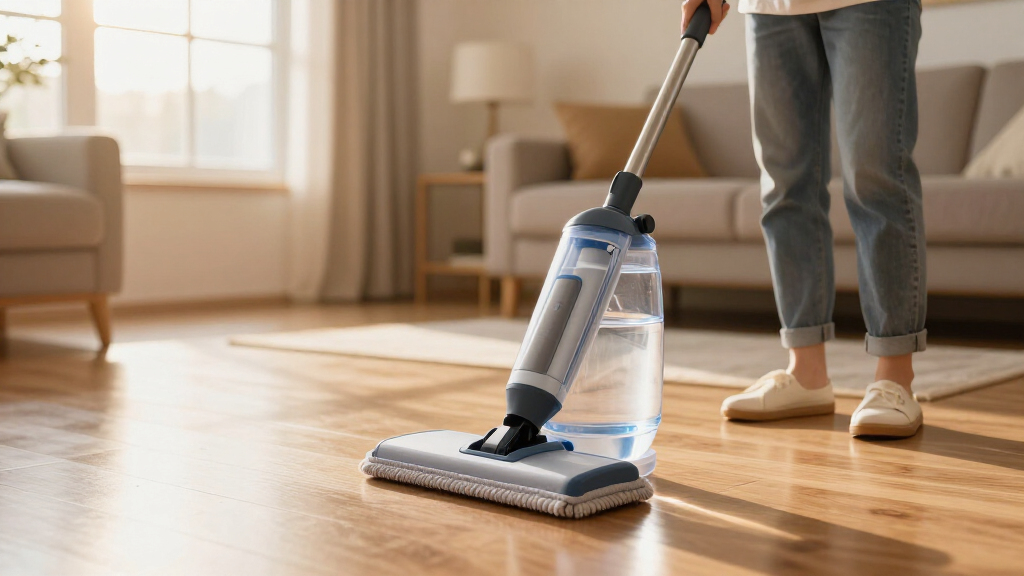
Use a mop with a long or adjustable handle so your spine stays straight. Hold a relaxed grip and shift your weight leg to leg — let your body’s strongest muscles do the pushing.
Legs & core, not armsLet the Steam Do the Work
Slow, deliberate passes beat aggressive scrubbing. Pressing harder increases fatigue without cleaning better — and can damage delicate floor finishes.
Glide, don’t grindTwo Hands, Better Control
One hand on the handle, one supporting — this cuts wrist strain and improves steering. Alternate hands periodically so no single muscle group carries the load.
Swap hands mid-session
10-in-1 Steam Cleaner, Detachable Handheld Steam Mop for Multi-Surface
Powerful Steam Mop Cleaner: Steam cleaner is your reliable assistant for home cleaning or gift; Utilizing high-pressure steam…
As an affiliate, we earn on qualifying purchases.
As an affiliate, we earn on qualifying purchases.
The Five-Step Low-Strain Routine
Preparation alone can cut your mopping effort in half. Follow this chain and you’ll never double your workload.
Sweep or Vacuum First
Loose debris turns your mop into a dirt spreader — doubling effort and smearing grime.
Fill Only What You Need
An overfilled tank adds dead weight. Distilled water prevents mineral buildup and weak steam.
Slow, Steady Passes
Let steam penetrate and break down grime. Hold 5–10 seconds on stubborn spots instead of scrubbing.
Mop Backward in Sections
Work small zones, retreating toward the exit — never re-walk wet floors or redo your work.
Swap Pads Early & Often
A dirty, saturated pad drags and forces harder pressing. A fresh pad glides and leaves no streaks.

6 Pack Steam Mop Replacement Pads Compatible with Shark Steam Mops S1000/S1000A/S1000C/S1000WM/S1001C, Floor Steamer Pads Washable, Reusable Microfiber Cleaner Pads
1.Steam mop replacement pad size 12.4"x6.7" – Compatible with Shark Steam Mop S1000 Series (S1000/S1000A/S1000C/S1000WM/S1001C).
As an affiliate, we earn on qualifying purchases.
As an affiliate, we earn on qualifying purchases.
Where the Effort Actually Goes
Every pound and every unnecessary pass compounds over a whole-house session. Here’s what the data says to optimize.
Floor Safety Spectrum
*Many laminate and some luxury vinyl warranties explicitly exclude steam cleaning. Always test a hidden spot and check your flooring manufacturer’s guidance first.

Shark Steam & Scrub with Steam Blaster Technology, White, S8201
POWERFUL PERFORMANCE: Combination of powerful steam, targeted steam blast, and rotating pads provide up to 2x better stuck-on…
As an affiliate, we earn on qualifying purchases.
As an affiliate, we earn on qualifying purchases.
Gear That Lightens Your Load
The right features reduce strain dramatically. Match tank size to your home and strength — bigger isn’t always better.
| Feature | Why It Reduces Strain | Strain Impact | Priority |
|---|---|---|---|
| Swivel-steering head | Turns on a dime around furniture — cuts wrist & shoulder torque | Dramatic reduction | ✓ Essential |
| Adjustable long handle | Keeps spine straight; ends hunching — the #1 back-strain cause | Dramatic reduction | ✓ Essential |
| Textured microfiber pads | Scrub zones glide better and clean with less downward pressure | Moderate reduction | ✓ Essential |
| Long cord (25 ft+) / cordless | No repeated plug changes; less tripping and pulling | Moderate reduction | ~ Situational |
| Oversized water tank | Fewer refills, but adds real weight you push all session | Trade-off by home size | ~ Situational |
| Vacuum + steam combo unit | Eliminates the pre-sweep step entirely — biggest effort-saver | Major time & effort cut | ✓ Upgrade pick |
| Additives (vinegar, detergents) | Void warranties, damage internals, leave residue — water only | Equipment damage risk | ✗ Never |

Shark Steam Mop for Sealed Hard Floors with 2 Dirt Grip Pads, White, S1000
CHEMICAL-FREE SANITIZATION*: With the power of steam, remove grease and grime using just water — no chemicals needed…
As an affiliate, we earn on qualifying purchases.
As an affiliate, we earn on qualifying purchases.
The Four Safety Rules
Cautious use prevents costly floor damage — and keeps the whole job genuinely effortless.
Test a hidden spot first
Sealed tile and vinyl are generally safe. Unsealed or waxed hardwood can warp, swell, or lose its finish under steam.
Water only — never chemicals
Vinegar or cleaners can void warranties and corrode internal parts. High heat plus dwell time handles sanitizing on its own.
Use distilled water
Tap-water minerals clog steam outlets over time, weakening output — which means more passes and more effort from you.
Wait for the full dry
Floors dry in 2–5 minutes. Walking on them early risks slips and streaks — the fastest way to double your own workload.
How Small Choices Compound Into Zero Strain
The bottom line: a long-handled, lightweight steam mop with a swivel head and a clean microfiber pad can cut mopping effort by up to half. Combine that with upright posture, slow steam-first passes, and a backward-mopping workflow — and a tiring chore becomes a quick, back-friendly task. Work smarter, not harder.
Why Your Posture Is Sabotaging Your Effort and How to Fix It
Your posture is the biggest factor in how much effort you put into steam mopping. Hunching over short handles or bending your back creates unnecessary strain. Instead, stand upright with shoulders relaxed and use a mop with an adjustable or long handle.
Imagine cleaning a large kitchen floor. You’re more efficient when you keep your spine straight and push with your legs, not your back. A quick tip: hold the mop with a relaxed grip and shift your weight from one leg to the other. This way, you’re using your body’s strongest muscles.
For example, a friend swapped her old short-handle mop for an adjustable one. She noticed her back felt better after each session, and she finished faster because she wasn’t hunching over.
How to Use Your Steam Mop Most Effectively Without Overexerting
Using steam efficiently can make cleaning easier. Instead of scrubbing, focus on letting the steam loosen dirt. This reduces the need for force, which can cause fatigue and even damage your floors if done excessively. Slow, deliberate passes ensure the steam penetrates thoroughly, breaking down grime without pressure—this is crucial because pressing too hard can strain your muscles and joints, and may also damage delicate flooring surfaces. For stubborn spots, holding the mop in place for 5–10 seconds allows the steam to do its job, minimizing physical effort. Using two hands—one on the handle, the other supporting—gives you better control and reduces wrist strain. Push with your legs and core instead of your arms or wrists; this distributes effort more evenly and prevents fatigue. Working in small sections and mopping backward not only makes the task more manageable but also prevents re-walking over wet floors, which can cause slipping hazards and double effort. These techniques collectively help you clean more effectively while conserving energy and reducing strain.
Smart Prep and Workflow Hacks to Cut Down Your Cleaning Time
Preparation can cut your mopping effort in half. Always sweep or vacuum first—loose debris can turn your mop into a dirt spreader, increasing effort and mess. Removing dirt beforehand ensures the steam can focus on cleaning rather than pushing around debris, which saves time and reduces physical effort. Fill only what you need—overfilling the water tank adds unnecessary weight, making your arm work harder and increasing fatigue. Keep 2–3 microfiber pads handy, swapping them out as they get dirty; a clean pad glides more effortlessly, reducing the pressure needed and preventing streaks. Using distilled water is also a smart move; it prevents mineral buildup inside your mop, which can clog the steam outlets and weaken steam output over time. This means your mop works at peak efficiency longer, reducing the number of passes needed and lessening fatigue. For example, a homeowner keeps a small bin of clean microfiber pads in her closet. She swaps them quickly, making each pass feel effortless—no dragging or streaks. Proper prep and workflow not only save time but also protect your body from unnecessary strain.
Choosing Equipment That Lightens Your Load and Reduces Strain
Weight matters. Many popular steam mops weigh between 4–7 lbs empty. Every pound adds up over a big cleaning session, increasing fatigue and strain, especially if you have joint issues or limited strength. Look for lightweight models with good weight distribution—these reduce the effort required to maneuver and push the mop. Swivel heads can turn on a dime, reducing wrist and shoulder strain around furniture and tight corners. Long cords or cordless options eliminate the hassle of plug changes, saving time and reducing the risk of tripping or pulling muscles. Pads with textured microfiber and scrub zones glide better and require less force, making cleaning more efficient. Larger water tanks mean fewer refills, but they also add weight; choose based on your home size and your strength. Imagine pushing a lightweight, swivel-head mop across your tiles—effortless, smooth, and quick. The right equipment minimizes physical effort and helps you maintain good posture throughout cleaning sessions.
Real-World Tips for Effortless, Safe, and Effective Steam Mopping
Always test your floor with a hidden spot first. Sealed floors like tile or vinyl are generally safe, but unsealed hardwood or waxed surfaces can be damaged by steam. Understanding your floor type matters because steam can cause warping, swelling, or finish stripping if used improperly. Use only water—adding vinegar or cleaners can void warranties and cause damage or residue buildup. For best results, use distilled water, especially in hard-water areas, as it prevents mineral deposits inside the machine that can clog outlets and reduce steam efficiency. Keep a clean microfiber pad on hand; swap it immediately when it gets dirty. A fresh pad means less pressing down, reducing effort and ensuring streak-free floors. Remember, floors dry within minutes—walking on them only after they’re completely dry prevents slips and streaks, and maintains safety. Proper testing and cautious use are essential to avoid costly damage and ensure a safe, effective cleaning process.
Frequently Asked Questions
Can I use a steam mop on hardwood floors?
Only if your hardwood is sealed and approved by the manufacturer. Test in a hidden spot first. Unsealed or waxed hardwood can be damaged by steam, so check your floor’s guidance before cleaning.
Should I sweep or vacuum before steaming?
Yes. Removing loose dirt and debris first saves effort and prevents dirt from smearing or clogging the mop pad. It also helps steam work more effectively.
What kind of water should I use?
Distilled water is best. It prevents mineral buildup inside your mop, maintaining optimal steam output and prolonging your equipment’s life. Tap water can lead to scale and weaker steam over time.
How long until the floor is dry after steaming?
Most floors dry within 2–5 minutes. The steam evaporates quickly, leaving your surface clean and damp-free, ready for foot traffic without slipping.
Can I add cleaning solutions to my steam mop?
Most manufacturers recommend using only water. Adding vinegar or chemicals can damage internal parts and void warranties. For disinfecting, high heat and dwell time are usually enough—no extra chemicals needed.
Conclusion
Effortless steam mopping comes down to simple principles: good posture, smart equipment, and a sensible workflow. When you let the steam do the heavy lifting, you’ll finish faster and with less soreness.
Next time you grab the mop, remember: work smarter, not harder. Your back will thank you—and so will your floors.