TL;DR

Get cleaning gear delivered free with Prime
- Fast, free delivery on millions of items
- Prime Video, Amazon Music and more included
- Member-only deals all year
Most traditional steam mops aren’t designed for adding oils directly into the water tank. Instead, use scent pads, diffuser compartments, or add oils to mop pads for a safe, fragrant clean. Check your device’s instructions first to avoid damage.
Imagine steam rising from your mop, carrying a burst of fresh lavender or eucalyptus. It’s tempting to add essential oils directly to the water tank, hoping for a fragrant, disinfected floor. But is that safe? Can your steam mop handle it without breaking?
In this guide, you’ll learn how to incorporate essential oils into your cleaning routine without risking damage. We’ll explore current methods, recent product innovations, and the safest ways to enjoy natural scents and antimicrobial benefits during steam cleaning.
Most traditional steam mops aren’t designed to handle essential oils directly in the water tank, risking damage and voiding warranties.
Use scent pads, diffuser compartments, or apply oils to mop pads for safe scenting during cleaning.
Always check your steam mop’s manual before adding anything beyond water.
Newer models are increasingly incorporating built-in scenting features, making natural fragrance easier and safer.
Choose essential oils with antimicrobial properties and use sparingly to avoid staining or damage.
Why Adding Essential Oils Directly to Your Steam Mop Usually Isn’t Safe
Most traditional steam mops are designed to use only water. Adding oils directly into the tank can cause clogs, damage internal parts, or void your warranty. Think of essential oils as concentrated liquids that can cling to and block delicate steam channels.
For example, a typical steam mop has tiny, precise openings for steam to escape. Oils can leave residues or cause buildup, leading to leaks or malfunction. Always check your user manual before attempting to add anything beyond water.
As an affiliate, we earn on qualifying purchases.
Safe Ways to Add Essential Oils to Your Steam Cleaning Routine
- Use Scent Pads or Diffusers: Many modern steam mops come with specialized pads or compartments designed to hold essential oils or scent beads. These are safe because they don’t contact water directly.
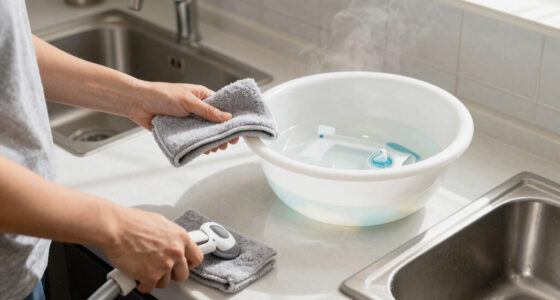
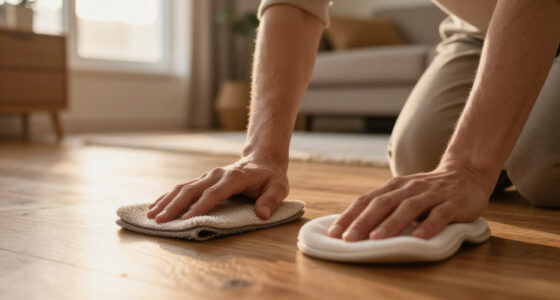
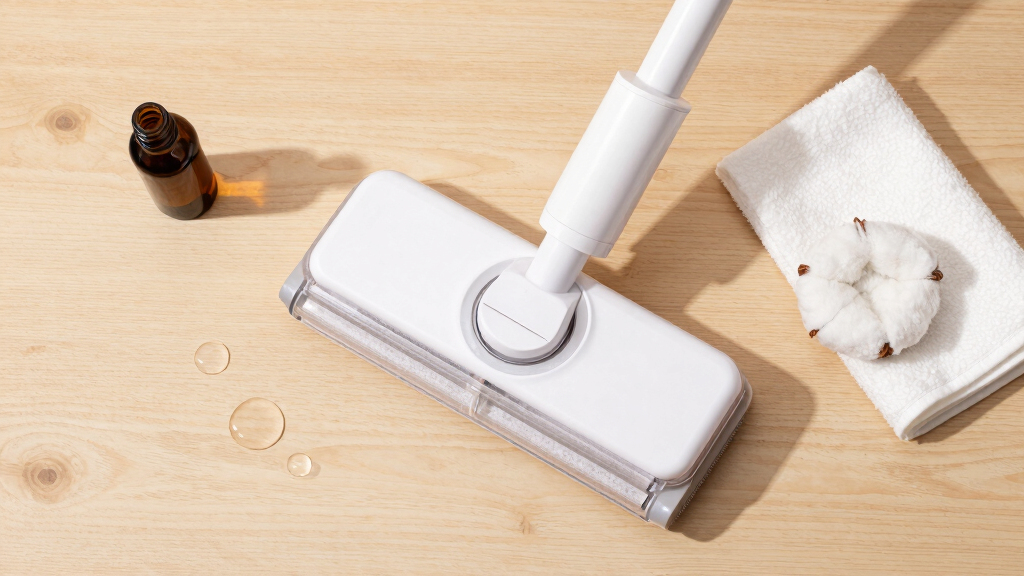
- Add to Mop Pads: Drop a few drops onto a microfiber cloth or mop pad before starting. This method allows the oils to gradually release during cleaning, providing a consistent scent without risking internal damage.
- Use External Diffuser Attachments: Some models feature scent chambers or diffuser attachments that can be filled with oils. These devices release fragrant vapors externally, ensuring your mop’s internal components remain unaffected. This approach is especially beneficial if you want a strong, lasting aroma.
- Test First: Always try a small amount on a hidden area or spare pad. This not only prevents potential staining or residue buildup but also helps you gauge how your surfaces respond to the scent.
For example, if you want a lemon scent, add 2-3 drops of oil onto a clean mop pad or into a designated scent chamber. As you steam, the aroma disperses evenly, offering a fresh environment while maintaining your device’s integrity.
essential oils diffuser for steam mop
As an affiliate, we earn on qualifying purchases.
As an affiliate, we earn on qualifying purchases.
What Are the Risks of Adding Oils to the Water Tank?
Adding essential oils directly into the water tank may seem like a straightforward way to scent your floors, but it can have serious implications. Oils are sticky and concentrated, which means they tend to leave residues inside the steam channels, seals, and valves. Over time, this buildup can cause blockages that reduce steam output or lead to leaks, compromising the device’s functionality.
Moreover, many oils can degrade rubber or plastic components, accelerating wear and tear. Reduced steam pressure not only diminishes cleaning effectiveness but can also result in uneven heat distribution, potentially damaging delicate floor surfaces. Some users have reported their mops emitting strange noises or failing prematurely after attempting to infuse scents via the water tank.
Understanding these risks underscores why manufacturers recommend sticking to safe, indirect scenting methods. Ignoring these warnings can result in costly repairs or voided warranties, which makes using designed scenting features or external diffusers a smarter choice.
As an affiliate, we earn on qualifying purchases.
Latest Innovations Making Scenting Safer and Easier
Recent advancements in steam mop technology are addressing these concerns by integrating dedicated scenting features. Manufacturers now design models with sealed compartments or cartridges specifically made for essential oils or scent beads. These chambers are engineered to prevent oils from contaminating the internal steam pathways, significantly reducing the risk of clogs or damage.
For instance, some newer models include a small, replaceable scent cartridge that you fill with oils or scent beads. When activated, the device releases fragrance externally, allowing continuous scenting without risking internal component damage. This innovation reflects a shift toward safer, more user-friendly options that align with the demand for natural, eco-friendly cleaning solutions.
Always verify whether your current device supports these features or consider upgrading to a model that offers built-in scent chambers. This approach ensures you enjoy the benefits of aromatherapy and antimicrobial action without compromising your equipment’s longevity.
external scent chamber for steam mop
As an affiliate, we earn on qualifying purchases.
As an affiliate, we earn on qualifying purchases.
Quick Comparison: Adding Oils via Different Methods
| Method | Safety | Ease of Use | Best For |
|---|---|---|---|
| Directly into Water Tank | Low — can damage device and void warranty | Easy, but risky and potentially costly | Not recommended for safety reasons |
| Scent Pads or Diffusers | High — designed specifically for oils, minimizing risk | Moderate — depends on model and setup | Frequent scenting with minimal risk |
| Oils on Mop Pads | High — safe for device when used externally | Easy — just add drops onto pads | Immediate scent during cleaning |
| External Diffuser Attachments | High — designed for external use | Moderate — requires attachment setup | Controlled, consistent scent release |
Which Essential Oils Work Best for Steam Cleaning?
Choosing the right oils involves considering their antimicrobial properties and how well they disperse in steam. Oils like tea tree and eucalyptus are prized for their disinfectant qualities, making them ideal for bathrooms and kitchens. Lavender and lemon not only add a pleasant fragrance but also have mild antimicrobial effects, enhancing the cleaning process.
Proper dilution is crucial because concentrated oils can stain or damage certain surfaces. For example, applying a few drops of eucalyptus oil onto a mop pad or into a scent chamber can neutralize stubborn odors and leave a fresh scent. However, overuse or highly concentrated oils can cause residues or staining, especially on sensitive surfaces like hardwood or laminate.
Understanding these tradeoffs means selecting oils that balance antimicrobial efficacy with surface safety. Always opt for oils labeled as safe for use around natural surfaces, and test on a small area first to prevent unintended damage.
Frequently Asked Questions
Can I add essential oils directly into my steam mop’s water tank?
Most steam mops are not designed for oils in the water tank. Doing so can clog internal parts, damage seals, or void your warranty. Always refer to your manufacturer’s instructions before attempting to add anything other than water.
What’s the safest way to introduce scent into my steam cleaning routine?
Use scent pads, diffuser compartments, or add oils to the mop pad itself. These indirect methods keep your device safe while delivering a pleasant aroma during cleaning.
Will adding essential oils damage my floors or surfaces?
Depending on the oil and surface, damage can occur—especially with citrus or highly concentrated oils. Always test on a small, hidden area first and choose oils labeled safe for your floor type.
Are there steam mops made specifically for using essential oils?
Yes, some newer models feature built-in scent chambers or compartments designed for oils, making it safer and more convenient to add fragrance during cleaning.
Which oils are best for scenting and disinfecting during steam cleaning?
Tea tree, eucalyptus, lavender, and lemon are popular choices for their antimicrobial and pleasant scents. Use a few drops and always dilute appropriately.
Conclusion
Enhancing your steam cleaning with essential oils is tempting, but safety matters. The best approach is to stick with manufacturer-approved methods—like scent pads or oils on mop pads—to keep your device working smoothly and your home smelling fresh.
Imagine your floors shimmering with cleanliness, carried by a gentle, natural scent—without risking damage. When it comes to essential oils and steam mops, a little caution goes a long way.
Halloween Picks
halloween
As an affiliate, we earn on qualifying purchases.