TL;DR

Get cleaning gear delivered free — and shop member deals
- Fast, free delivery on millions of items
- Access to Prime Big Deal Days deals on October 6–7
- Prime Video, Amazon Music and more included
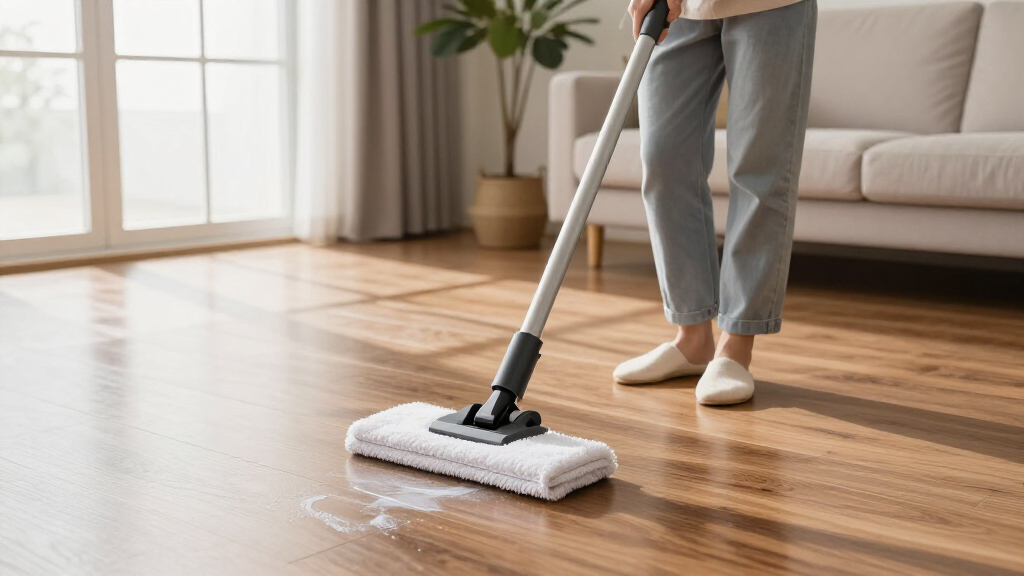
White film after steam mopping is usually mineral deposits, cleaning residue, or finish damage. Using distilled water, proper pads, and correct techniques prevents it. Fixing it often requires gentle cleaning or finish repair.
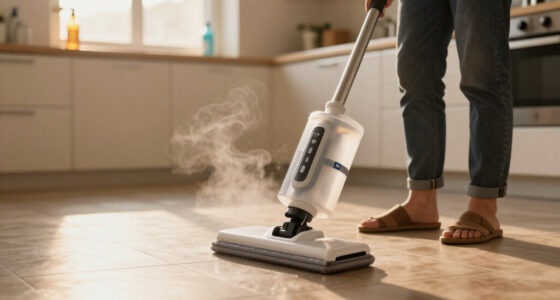
Ever notice a white haze lingering on your floors after steaming? It’s frustrating — especially when you think you’re cleaning, but all you see is a chalky, dull film. That haze isn’t dirt or grime; it’s often a mix of minerals, residues, or even damage caused by heat and moisture.
In this guide, you’ll learn exactly why your steam mop leaves that white film, how to identify the cause, and simple steps to fix and prevent it. No hype, just practical advice for keeping your floors looking fresh and shiny without risking damage.
Use distilled or demineralized water to cut mineral residue by up to 90%.
Avoid adding any cleaning chemicals, oils, or fragrances to your steam mop’s water tank.
Regularly wash or replace microfiber pads without softeners or fragrances.
Test in an inconspicuous area before full cleaning to identify residue or damage.
Know your floor type — steam can damage hardwood, laminate, and natural stone if not careful.
Why Your Steam Mop Leaves a White Film on the Floor
That chalky haze is usually not dirt. It is material left behind—or a finish altered—after heat and moisture meet your floor. Diagnose the clue first, then use the gentlest correction that fits.
Calcium and magnesium remain visible after the water evaporates.
Test a hidden area and let it dry fully before judging the result.
Persistent clouding may indicate finish damage, not removable residue.
The haze has six usual suspects
Steam is colorless. The visible film comes from minerals or product residue deposited on the surface, contamination smeared by the pad, or a coating changed by heat and moisture.
Hard tap water
Steam evaporates, but dissolved calcium and magnesium remain. Repeated use builds a chalky gray-white layer that stands out on dark or glossy floors.
Cleaner residue
Soap, detergent, wax, polish, fragrance, or “shine” products can soften under heat and redistribute into sticky streaks or a cloudy film.
Overloaded microfiber
A saturated pad stops collecting contamination and begins smearing it. Fabric softener and dryer sheets also coat fibers and reduce absorbency.
Too much steam
Slow or repeated passes leave excess moisture, concentrate residue, push water into seams, and may soften vulnerable surface coatings.
Finish damage
Clouding, blushing, delamination, or lost gloss may be an altered wax, polish, sealer, acrylic finish, or factory coating—not removable dirt.
Internal scale
Deposits in the tank, boiler, nozzle, or steam channels can cause sputtering and uneven output, sending loosened minerals back to the pad or floor.
Read what the film is telling you
Texture, location, and what happens when the floor dries are more useful than the film’s color alone.
Mineral deposits
Especially likely when the haze repeatedly returns after using tap water.
Product residue
Look for soap, polish, wax, scented cleaner, or an overloaded pad.
Surface contamination
If residue transfers to a clean cloth, careful rinsing may remove it.
Moisture migration
Water may be collecting in grout lines or entering plank joints.
Possible finish change
Clouding that reappears after drying can signal coating alteration.
Heat exposure
Lingering in one area may dull, soften, or lift a vulnerable finish.
The four-step hidden-area test
Use the least aggressive fix first
More chemicals and more steam can turn a removable film into permanent damage. Work in small areas and stop if the finish changes.
Pause steam cleaning
Check both the flooring instructions and the steam mop manual before continuing.
Lift removable residue
Use a clean cloth lightly dampened with distilled water. Rinse or change cloths frequently.
Use only approved cleaner
If plain water fails, choose a product specifically approved by the flooring manufacturer.
Escalate persistent haze
If nothing transfers to the cloth, consult the manufacturer or a flooring professional before stronger treatment.
Cause-to-correction matrix
| Observed clue | Likely cause | First safe response | Avoid |
|---|---|---|---|
| ✓Powder wipes away | Hard-water minerals | Distilled-water wipe; use the water type allowed by the mop manual | More tap water or aggressive abrasive scrubbing |
| ✓Sticky streaks | Soap, polish, wax, or pad residue | Fresh cloths and an approved residue-removal method | Adding detergent, fragrance, oil, or vinegar to the tank |
| ~Haze at seams | Moisture entering joints | Stop steaming, dry fully, and check floor guidance | Flooding, repeated passes, or holding the mop still |
| ~Clouding stays after rinsing | Finish or coating damage | Seek manufacturer or professional assessment | Stronger acids, solvents, or repeated steam exposure |
| ✓Mop sputters | Scale inside the machine | Descale strictly according to the appliance manual | Unapproved vinegar or improvised chemicals |
Never combine vinegar with bleach or other cleaners. Acids can etch natural stone, affect grout, damage finishes, and are not safe for every steam mop.
Five habits that keep floors clear
The reliable routine is simple: correct water, clean equipment, light passes, and a floor surface that is genuinely approved for steam.
Follow the mop’s water specification
Distilled or demineralized water often reduces deposits, but the manual takes priority.
Keep additives out
No cleaner, vinegar, fragrance, essential oil, or polish in a water-only tank.
Start fresh every time
Wash without softener, dryer sheets, heavy fragrance, or excess detergent.
Use steady, light passes
Select the lowest effective steam setting and never linger in one place.
Confirm floor compatibility
Use extra caution with wood, laminate, vinyl planks, stone, seams, and worn seals.
The clear-floor chain
Bottom line: If a distilled-water test with a fresh pad dries clear, correct the water, pad, or previous cleaning chemistry. If the haze remains or returns only after drying, stop experimenting—the finish may need repair rather than more cleaning.
Hard Water Is Usually the Main Culprit
When you use tap water in your steam mop, minerals like calcium and magnesium don’t evaporate—they get left behind as a chalky white film. On darker, glossy floors, this residue becomes especially noticeable, creating a cloudy appearance that dulls the surface.
Imagine mopping your kitchen tile, then noticing a faint, white sheen that doesn’t go away. That’s mineral buildup at work. Repeated use with hard water gradually deposits these minerals, making the haze thicker and more stubborn.
Tip: Switch to distilled or demineralized water — it contains fewer minerals and dramatically reduces deposits. According to an anonymous researcher, using distilled water can cut mineral residue by up to 90%.
Understanding why this matters is crucial: mineral deposits don’t just make your floors look dull—they can also act as an abrasive layer over time, potentially scratching or etching the surface if left unchecked. The tradeoff is between convenience and long-term floor health. Using hard water might seem easier, but it risks permanent damage and increased cleaning effort down the line.
As an affiliate, we earn on qualifying purchases.
Cleaning Products and Residue Are Often the Hidden Problem
Using soap, detergent, or floor polishes before steam cleaning can leave a sticky film. When heated by the steam, these residues soften and redistribute, forming a hazy cloud on the surface.
This isn’t just about appearance—it can also affect how well your floors resist future dirt and moisture. Residues from previous cleaning products can trap dust and grime, creating a cycle of dullness that’s hard to break. Moreover, certain waxes or polishes might react adversely to heat, leading to finish deterioration or peeling over time.
Tip: Never add cleaning solutions, oils, or fragrances to your steam mop’s water reservoir. Stick to plain distilled water unless your floor manufacturer approves a specific cleaner. This prevents unintended chemical reactions that can compromise your floor’s finish and prolongs the lifespan of your equipment.
Being aware of these hidden residues helps you make informed decisions about your cleaning routine. The tradeoff involves balancing cleaning power with the preservation of your floor’s integrity—using too many products can accelerate wear, while too few might leave residues that promote haze formation.
As an affiliate, we earn on qualifying purchases.
A Dirty or Overloaded Mop Pad Can Smear Contamination
When your microfiber pad becomes saturated with dirt, grease, or minerals, it stops cleaning and starts spreading grime. Overused or fabric-softener-coated pads trap residues that can create streaks and haze.
This contamination not only reduces cleaning efficiency but can also embed residues deeper into the fibers, making subsequent cleaning less effective. Over time, these residues can build up, leading to persistent haze and streaks that mimic mineral deposits or finish damage.
Tip: Rinse and wash pads with hot water and a mild detergent after each use. Avoid fabric softeners and dryer sheets, which coat fibers and reduce absorbency. Regularly replacing pads ensures that residues do not accumulate, maintaining optimal cleaning performance and preventing haze formation. The tradeoff here is between the cost and effort of maintaining clean pads versus the risk of spreading contaminants that cause haze and dullness.
hard water mineral remover for floors
As an affiliate, we earn on qualifying purchases.
As an affiliate, we earn on qualifying purchases.
Too Much Steam or Repetitive Passes Make It Worse
More steam doesn’t mean cleaner floors. Instead, excess moisture can soften coatings or push residues deeper into seams and cracks. Repeating passes over the same area can overheat the floor, leading to dulling or finish damage.
Imagine steaming a tile floor too slowly or holding the mop in one spot — the heat and water may start to lift or cloud the finish. Using the lowest effective steam setting and moving steadily helps prevent this. It’s about finding a balance: enough steam to clean effectively without overwhelming the surface or causing damage.
Tip: Keep your steam mop moving smoothly and avoid lingering in one spot. Use the lowest steam setting your floors tolerate. The tradeoff involves efficiency versus safety: faster, lighter passes reduce the risk of damage but might require more time to achieve a thorough clean.
As an affiliate, we earn on qualifying purchases.
Floor Finish Damage Turns White as a Sign of Wear
Heat and moisture can dull or lift the protective coating on your floors. Damage from finish or sealant breakdown shows up as cloudy patches, blushing, or delamination — not just residue.
This damage is often irreversible without professional intervention. For example, an older laminate floor with a worn seal might develop a persistent haze after steaming. The white film isn’t simply dirt; it’s a sign that the finish itself has been compromised, exposing the underlying material to further damage.
Tip: Check your flooring’s manufacturer guidelines. If the haze persists after cleaning, it might be finish damage rather than dirt. Recognizing this helps you avoid futile cleaning attempts that could worsen the problem and prompts you to seek appropriate repairs or refinishing.
Clogged or Contaminated Machines Cause Uneven Results
Mineral buildup inside your steam mop’s boiler or nozzle can cause sputtering, uneven steam output, and deposits that settle on the floor. Over time, old water and residues can clog channels, making the problem worse.
This internal clogging not only causes inconsistent cleaning but can also lead to increased wear and potential damage to the device. Regular descaling and cleaning according to the manufacturer’s instructions help keep your machine functioning properly, ensuring consistent steam output and preventing residue buildup that contributes to white film formation.
Tip: Use manufacturer-approved descaling solutions or follow specific cleaning steps to keep your steam mop free of mineral buildup. Regular maintenance is essential to avoid the tradeoff of costly repairs or replacement caused by neglecting internal cleaning.
How to Know What’s Causing Your White Film
Different causes leave different clues. Powdery deposits wipe away easily, indicating minerals. Sticky or greasy patches suggest residues from cleaners or polishes. If the haze improves with damp cleaning but returns after drying, it’s likely a surface coating or finish issue.
Understanding these clues helps you diagnose the problem accurately, which is crucial for choosing the right solution. For instance, mineral deposits require different treatment than finish damage. Testing a small, hidden spot with distilled water helps determine if residues or damage are involved, guiding your next steps.
Tip: Conduct a small test in an inconspicuous corner. If the haze disappears with water but reappears after drying, consider professional advice. Correct diagnosis prevents unnecessary or ineffective cleaning attempts, saving time and potential floor damage.
Simple Steps to Fix and Prevent White Film
- Stop steaming and check your floor and machine instructions.
- Let the surface dry completely.
- Wipe a small area with a microfiber cloth dampened with distilled water.
- If haze remains, use a gentle floor cleaner approved for your surface.
- Wash or replace pads regularly, avoiding softeners and fragrances.
- Descale your steam mop as per instructions.
- Switch to distilled or filtered water for future use.
- Always test in a hidden spot before full cleaning.
Following these steps can save your floors from permanent damage and keep them shiny. Patience and careful cleaning are key — rushing through can embed residues or worsen finish issues.
Preventing White Film: Easy Habits for Long-Term Shine
- Use only the water type recommended by your mop’s manufacturer — distilled or demineralized is best.
- Never add cleaning products, oils, or fragrances to the water.
- Start with a clean, dry microfiber pad and replace it when dirty.
- Vacuum or sweep floors first to prevent overload.
- Keep the steam low and move steadily — don’t linger.
- Empty and dry the tank if manual suggests.
- Descale your device regularly to prevent mineral buildup.
- Steer clear of steaming unsealed, damaged, or waxed floors.
Adopting these habits keeps your floors gleaming without the haze or damage.
Floor Types and How They React to Steam
Not every floor loves steam equally. Hardwood and engineered wood often get damaged by moisture, risking swelling or finish lifting. Laminate can bubble at seams. Luxury vinyl may tolerate steam but check your warranty. Tiles usually handle it well, but residues from grout or sealers can haze.
Natural stone like marble or travertine is sensitive — acids like vinegar etch the surface, and heat can cause cracks or dulling. Waxed or polished floors can soften or strip finishes, creating cloudy patches.
Tip: Always verify manufacturer guidance before steaming any specific flooring type.
What’s New and How to Keep Up with Safe Steam Cleaning
Modern steam mops now include features like mineral-control filters, adjustable steam levels, and washable pads. These innovations help reduce mineral deposits and contamination. However, they don’t turn all floors into safe zones for steaming.
Floor warranties often specify cleaning methods — always read the fine print. Many newer finishes resist mineral deposits better but remain vulnerable to heat and moisture damage.
Stay informed about your floor’s specific needs and follow updated manufacturer guidelines for safe and effective steam cleaning.
Frequently Asked Questions
Why does the white film appear only after the floor dries?
This is often mineral deposits or residues that become visible once the moisture evaporates. The haze might be invisible when wet but becomes noticeable as a dull, chalky film after drying.Is the residue caused by hard water?
Yes, hard tap water contains minerals like calcium and magnesium, which don’t evaporate and leave behind a white or grayish film on your floors after steaming.Should I use distilled, demineralized, or filtered water?
Distilled or demineralized water is best because it contains fewer minerals, significantly reducing the chances of white residue forming after steaming.Can I put vinegar in my steam mop?
Vinegar is not recommended unless the manufacturer explicitly approves it. It can etch natural stone, damage finishes, and may harm your device’s internal parts.How do I remove white residue without damaging the floor?
Use a microfiber cloth dampened with plain distilled water to gently wipe the haze. For stubborn spots, a floor-safe cleaner approved for your surface can help. Always test first in a hidden area.Conclusion
The white film from your steam mop isn’t just an annoying haze — it’s a warning sign of mineral buildup, residue, or even floor damage. The best defense is a simple one: use the right water, keep your equipment clean, and follow manufacturer guidance.
With careful steps, you can enjoy the benefits of steam cleaning without leaving a cloudy trail behind. Think of your floor as a canvas — gentle, correct cleaning preserves its natural shine and integrity.
Fall Picks
fall essentials
As an affiliate, we earn on qualifying purchases.