
TL;DR

Get cleaning gear delivered free with Prime
- Fast, free delivery on millions of items
- Prime Video, Amazon Music and more included
- Member-only deals all year
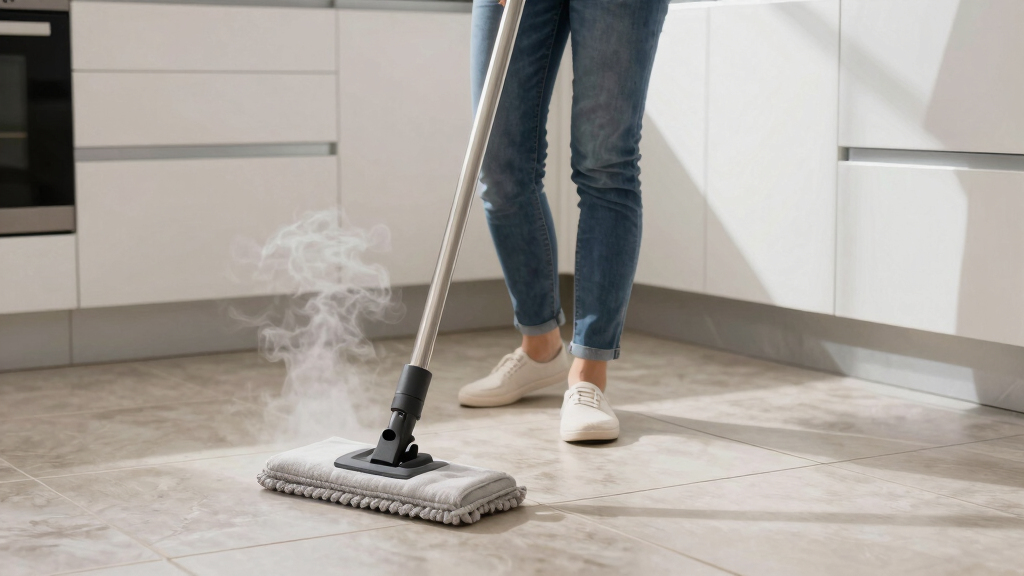
Deep cleaning grout with a steam mop is a quick, chemical-free method that kills germs and loosens grime. Regular use keeps your floors bright and hygienic—just follow simple prep and safety steps.
Ever looked at your grout lines and thought, “That’s a dirt trap”? The good news: a steam mop can turn that grime into history. It’s a natural, chemical-free way to refresh your floors and fight germs at the same time. But, like any cleaning tool, the key is knowing how to use it right.
If you’re tired of stubborn stains and dirty grout that won’t budge, this guide will walk you through the step-by-step process. From choosing the right equipment to post-cleaning care, you’ll learn how to make your grout look brand new—safely and sustainably.
Always test your steam mop on a hidden corner before full use to avoid surprises.
Use attachments and adjustable steam settings for targeted, safe cleaning.
Wipe and dry immediately after steaming to prevent mold and water spots.
Sealing grout lines after cleaning prolongs cleanliness and protects against stains.
Regular deep cleaning (every 3–6 months) keeps grout bright, hygienic, and in good shape.
Why Steam Cleaning Is Your Best Bet for Grout Deep Cleaning
Steam cleaning penetrates deep into porous grout, loosening dirt, grease, and bacteria—all without needing harsh chemicals. Imagine the steam as a gentle but powerful brush that cleans every tiny crevice. This thorough approach is essential because grout is porous, meaning dirt and bacteria can settle deep inside, making surface cleaning insufficient. When you use steam, it not only lifts surface grime but also sterilizes the tiny crevices where germs hide, providing a hygienic boost that traditional scrubbing might miss. Moreover, avoiding chemicals reduces the risk of surface damage and keeps your environment safer for children and pets. Regular steam sessions can help prevent mold and mildew buildup, which thrive in moist, dirty environments, ultimately extending the life of your tiles and saving you money on repairs or replacements.
As an affiliate, we earn on qualifying purchases.
Prep Your Space — How to Get Ready for a Deep Clean
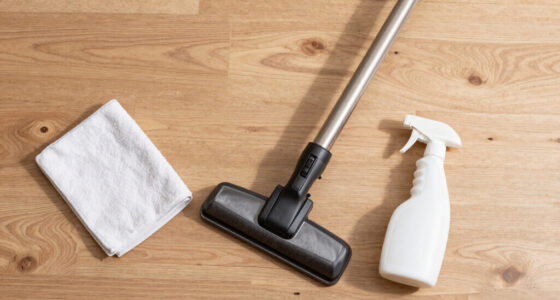
Before you start steaming, it’s crucial to prepare your space thoroughly. Clearing the area isn’t just about aesthetics; it ensures safety and maximizes cleaning efficiency. Moving furniture, rugs, and obstacles prevents accidental damage and allows full access to the grout lines. Sweeping or vacuuming removes loose dirt and dust, which, if left, can turn into muddy residue when exposed to steam—potentially making the cleaning process messier and less effective. Inspect the grout for cracks or crumbling spots; these areas may need repair before deep cleaning because steam can exacerbate damage if the grout is compromised. Proper prep not only enhances the cleaning results but also prolongs the lifespan of your tiles and grout, preventing issues like water infiltration or further deterioration caused by trapped debris or existing damage.
grout cleaning attachment for steam mop
As an affiliate, we earn on qualifying purchases.
As an affiliate, we earn on qualifying purchases.
How to Use a Steam Mop on Grout Without Damaging It
- Choose a steam mop with adjustable settings—preferably one with a grout cleaning attachment. This allows you to control the steam intensity and avoid over-saturating delicate surfaces.
- Test on a small, hidden area first. Wait a few minutes to observe any discoloration, warping, or damage. This step is crucial because grout and tile conditions vary widely, and a test helps prevent costly mistakes.
- Hold the mop at a slight distance—about 1-2 inches—from the grout lines to prevent excess moisture from seeping into the porous material. Too much water can weaken grout over time, especially if it’s old or has existing cracks, leading to future deterioration or mold growth.
- Use slow, deliberate passes over the grout lines, applying gentle pressure. Rapid or aggressive motions can damage fragile grout or push water into cracks where it can cause long-term issues.
- For stubborn stains, pause to let the steam sit for a few seconds, then wipe with a dry cloth. This allows the heat and moisture to loosen embedded dirt, which you can then remove without excessive scrubbing that might erode the grout surface.
Remember, not all grout is created equal. Porous or delicate grout might need a gentler approach or alternative cleaning methods, such as a vinegar solution or commercial grout cleaner, to prevent damage while still achieving good results.
eco-friendly grout cleaner steam mop
As an affiliate, we earn on qualifying purchases.
As an affiliate, we earn on qualifying purchases.
Targeted Tips for Better Results and Avoiding Common Pitfalls
- Use the right attachment—some steam mops come with a small brush or nozzle designed for grout lines. These attachments concentrate steam directly where it’s needed, improving cleaning effectiveness and reducing the risk of water damage elsewhere.
- Don’t oversaturate the grout; excess moisture can cause mold or damage if the grout is old or cracked. Keeping the steam at a lower setting and avoiding prolonged contact prevents water from seeping into vulnerable areas, which can lead to long-term problems like efflorescence or deterioration.
- Wipe immediately after steaming with a dry microfiber cloth to remove loosened dirt and prevent water spots or streaks. This step also helps dry out the grout, reducing the chance of mold or mildew developing in damp conditions.
- Test the grout’s response in a hidden corner first—if it darkens, discolors, or shows signs of damage, switch to a gentler method like a diluted vinegar solution or commercial cleaner. Understanding your grout’s specific needs helps avoid unintended harm and ensures cleaner, brighter results.
As an affiliate, we earn on qualifying purchases.
Post-Cleaning Steps for Longer-Lasting, Spotless Grout
After steaming, it’s essential to dry the floor thoroughly with a microfiber towel or mop. This step prevents water from seeping into cracks and porous grout, which can promote mold growth and weaken the structure over time. Once dry, applying a high-quality grout sealer creates a protective barrier against future stains, moisture, and dirt. Sealing is especially important if your grout is older or has minor cracks, as it helps prevent the penetration of spills and grime that can be difficult to remove later. Think of sealing as giving your grout a durable shield that makes routine cleaning easier and extends its lifespan. Regular sealing every 1-2 years ensures ongoing protection, maintaining the fresh, clean appearance achieved through your deep cleaning efforts.
Latest Tech in Steam Mops That Make Deep Grout Cleaning Easier
Modern steam mops now come with features like adjustable steam control, longer cords, and specialized grout cleaning attachments. Some models even integrate vacuum functions for versatile cleaning, allowing you to switch seamlessly from removing dirt to sanitizing with steam. These technological advancements mean less fuss, more precision, and better results with less effort. For instance, a mop equipped with a precision nozzle can target stubborn grime in tight corners or heavily soiled areas, saving time and reducing the need for aggressive scrubbing. According to an anonymous researcher, these innovations help achieve professional-level cleaning at home, making deep grout cleaning more accessible and less labor-intensive than ever before.
Important Aspects of Deep Cleaning Grout With a Steam Mop
Effectiveness, safety, and surface compatibility are the pillars of successful grout cleaning. Using the right equipment ensures thorough sanitation without risking damage. Testing beforehand helps identify any adverse reactions, such as discoloration or cracking, which can compromise the integrity of your grout. Following proper steps—like maintaining appropriate steam levels and avoiding excessive moisture—ensures you achieve a hygienic, bright finish without causing long-term harm. It’s essential to recognize that not all grout types respond equally; porous or fragile grout requires a gentler approach or alternative cleaning methods. Understanding these nuances allows you to tailor your cleaning process, balancing efficacy with preservation of your tile’s structural health.
Frequently Asked Questions
Is steam cleaning safe for all types of grout?
Most types of grout respond well to steam cleaning, but porous or delicate grout may need a gentler approach or testing first. Always check manufacturer recommendations and test a small area.How often should I deep clean my grout with a steam mop?
Every 3 to 6 months is ideal, depending on foot traffic and visible dirt. Regular maintenance prevents stubborn buildup and keeps your floors looking fresh.Can steam cleaning remove stubborn stains from grout?
Steam can significantly reduce stains and dirt, especially surface-level grime. Deep or old stains might need additional treatments like baking soda or commercial stain removers.Do I need to seal my grout after steam cleaning?
Yes, applying a grout sealer after cleaning helps protect against future stains and moisture penetration, making routine cleaning easier.Can I use a regular steam mop on my grout or do I need special attachments?
Many standard steam mops work well, but attachments like grout brushes can improve results, especially in tight or heavily soiled areas.Conclusion
Deep cleaning grout with a steam mop is a straightforward, eco-friendly way to keep your floors looking fresh and hygienic. A little prep, careful application, and post-cleaning care go a long way. Think of your grout as the foundation of your tile beauty—keep it clean, keep it healthy.
Next time you wipe down your floors, remember: steam isn’t just for mopping. It’s a gentle, powerful tool that can breathe new life into tired grout lines—safely and sustainably.
Fall Picks
fall essentials
As an affiliate, we earn on qualifying purchases.