
TL;DR

Get cleaning gear delivered free with Prime
- Fast, free delivery on millions of items
- Prime Video, Amazon Music and more included
- Member-only deals all year
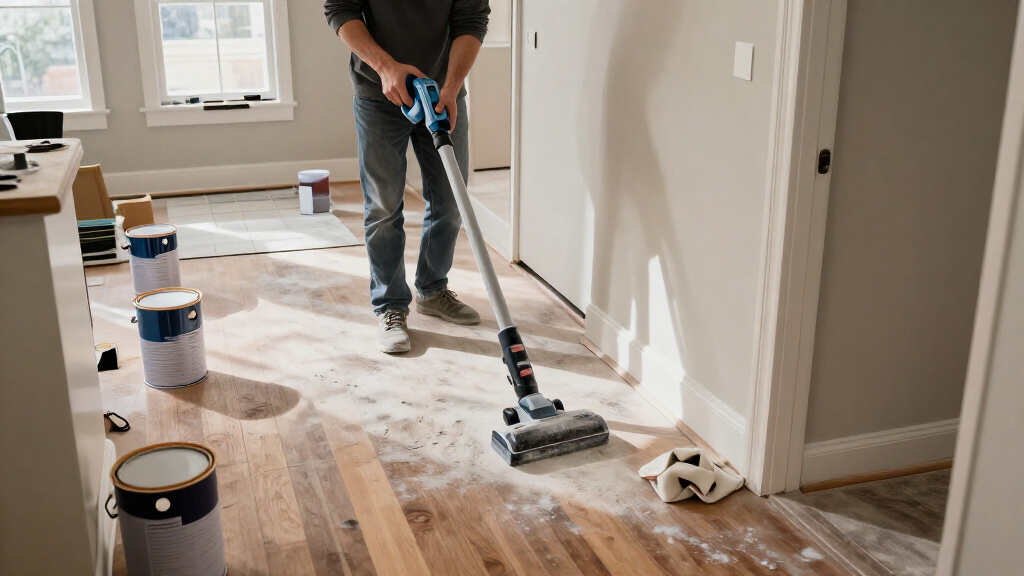
A Family Handyman writer says taking on several renovation projects at once left multiple rooms partly finished and the house feeling like a construction site. The writer recommends spacing out work, using a project planner, prioritizing completion and considering professional help when needed.
A Family Handyman writer says taking on too many renovation projects at once left several rooms partly finished and the home feeling more like a construction site than a place to live. In the first-person report, the writer describes how competing jobs and a growing to-do list made it harder to finish work, and recommends spacing out projects and deciding which unfinished job to complete first.
The writer describes a cycle in which one renovation led to another, while newly urgent tasks displaced work already underway. The result was a house with several rooms in progress, tools and materials spread around, and no clear finish line. The report is a personal account, not a survey of homeowners or a measured assessment of renovation outcomes.
Among the warning signs it identifies are multiple rooms torn apart, starting new jobs before completing old ones, and weekends beginning to feel like another work shift. The writer says pausing to reassess can be easier than continuing to add tasks after the workload has become difficult to manage. Finishing a project also leaves time to clean up and enjoy the result before beginning another.
To reduce unfinished work, the writer describes setting aside a “95% day” every few months for small remaining tasks, such as installing missing trim, filling nail holes and fitting outlet covers. The report also recommends using a project planner to write down tasks and schedules, then triaging the list: complete one job before shifting attention to the next, choosing either a quick task or one with a time-sensitive deadline.
How Stalled Projects Affect a Home
The report’s practical point is that taking on more work does not necessarily speed up a renovation. When several jobs remain open, usable rooms and everyday routines can be disrupted for longer, while materials and tools occupy shared space. The writer says that project overload can also make home improvement feel less enjoyable.
For readers planning DIY work, the advice is to treat time and attention as limited resources. A written plan and a defined priority can make it easier to see whether a new task fits the schedule or would add to a backlog. The account does not quantify costs or prove that one planning method works for every household, but it offers a firsthand example of why completing existing work may be more manageable than continually expanding the list.
The writer also says there is no shame in hiring a professional to finish a job already started. That option may allow a homeowner to move other work forward, though the report does not provide prices or say when a contractor will be available. For electrical, gas, structural or roof work, homeowners should use appropriately licensed professionals and follow applicable safety and permit requirements.
As an affiliate, we earn on qualifying purchases.
The Writer’s Fixer-Upper Experience
The article is framed around the writer’s own experience renovating a current fixer-upper. The writer says there were periods when so many projects were underway that the home felt like a construction site. The report does not identify the property, give a renovation budget, or specify how long the projects took.
The recommendations build on a separate column the writer says they recently published about a “95% day”: setting aside a day every few months to handle small finishing jobs that keep a project from feeling complete. The writer also says they are making better use of a project planner and have become more able to recognize signs of overcommitment. These are described as personal practices rather than formal industry guidance.
As an affiliate, we earn on qualifying purchases.
Costs and Project Timelines Remain Unknown
The report does not state how many projects were unfinished, how long they remained open, or how much the delays affected the household financially. It also does not identify the specific renovations or say whether the writer has completed the projects described.
The suggested approaches are based on the writer’s experience; the article provides no comparative data showing how a planner, a “95% day” or hiring a contractor changes completion times. Whether those steps are practical will depend on a homeowner’s budget, schedule, project scope and any required permits or specialist work.
unfinished home renovation supplies
As an affiliate, we earn on qualifying purchases.
As an affiliate, we earn on qualifying purchases.
Prioritize Before Starting Another Job
The writer’s proposed next step for homeowners with a backlog is to list unfinished work, identify deadline-sensitive tasks and decide which single project to finish first. A periodic “95% day” can be used for small finishing details, while a planner can help keep tasks and timing visible. The report does not announce a follow-up project or provide a timeline for the writer’s own renovations.
Homeowners who cannot reasonably finish a job themselves can consider getting a professional estimate for the remaining work. Before hiring, they should clarify the scope, cost, schedule and any permit or safety requirements. The central recommendation is to complete or deliberately pause existing work before adding another major project.
professional home renovation services
As an affiliate, we earn on qualifying purchases.
As an affiliate, we earn on qualifying purchases.
Key Questions
What went wrong when the writer took on several renovations at once?
The writer says multiple rooms were left partly finished, tasks competed for attention and the home felt like a construction site. The report does not give a project count or timeline.
What is a “95% day”?
It is the writer’s term for setting aside a day every few months to finish small tasks that remain after a project seems nearly done, such as missing trim, nail holes and outlet covers.
How does the writer recommend choosing what to finish first?
The writer suggests completing one project at a time and choosing either a quick job that can be finished soon or a project with a time-sensitive deadline.
Does the report recommend hiring a contractor?
It says hiring a professional to complete a job already underway can be an option if that helps a homeowner make progress elsewhere. The article does not provide contractor prices or availability; specialist work should follow applicable licensing, safety and permit rules.
Source: rss
Fall Picks
fall essentials
As an affiliate, we earn on qualifying purchases.