TL;DR

Get cleaning gear delivered free with Prime
- Fast, free delivery on millions of items
- Prime Video, Amazon Music and more included
- Member-only deals all year
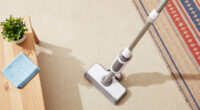
A steam mop uses heated water to generate steam that loosens dirt and kills germs on hard floors. It’s a chemical-free, efficient cleaning tool with recent innovations making it more portable, adjustable, and safe for various surfaces.
Imagine a cleaning tool that harnesses the pure power of heat—no chemicals, no fuss. That’s what a steam mop does. It’s a device that turns plain water into a high-temperature vapor, blasting away dirt and germs on your hardest floors.
In this guide, you’ll learn how a steam mop works, what makes it different from traditional mops, and how recent trends improve safety, convenience, and eco-friendliness. Whether you’re tackling sticky kitchen spills or deep-cleaning your tile, understanding this device helps you clean smarter, not harder.
A steam mop uses heat to turn water into steam, which loosens dirt and kills germs without chemicals.
Always check your floor’s surface type and manufacturer guidance before using a steam mop.
Recent models offer cordless operation, adjustable steam levels, and smart controls for better convenience.
Regular descaling and maintenance extend your device’s lifespan and ensure consistent cleaning power.
Safety first: never leave a hot steam mop unattended and always test surfaces first.
What Exactly Is a Steam Mop and Why Should You Care?
A steam mop is a cleaning device that uses hot steam to sanitize and lift dirt from hard floors like tile, laminate, hardwood, and vinyl. It’s a chemical-free alternative that relies on heat to break down grime and bacteria, leaving your floors fresh and safe.
For example, imagine a busy family with kids and pets. They want a cleaning method that’s effective yet gentle on surfaces and safe for little hands and paws. A steam mop fits that bill, killing germs at around 212°F (100°C) without using harsh chemicals.
It’s especially handy for deep cleaning or regular maintenance. Plus, it’s lightweight—most weigh between 4 and 8 pounds—making it easy to maneuver around furniture or tight corners.
best steam mop for hardwood floors
As an affiliate, we earn on qualifying purchases.
As an affiliate, we earn on qualifying purchases.
How Does a Steam Mop Actually Work? Follow These 4 Easy Steps
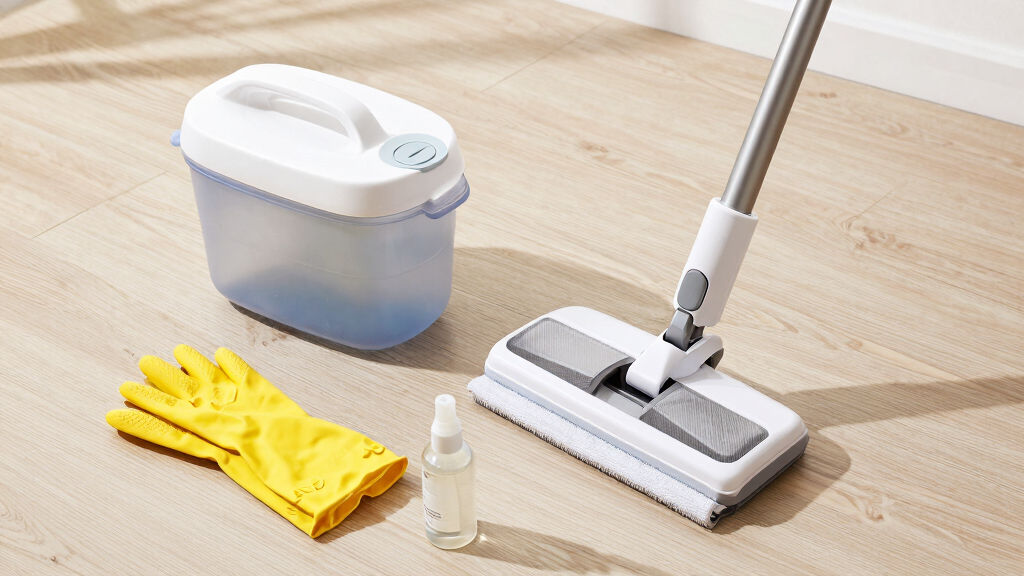
- Fill the water reservoir: Pour clean, preferably filtered water into the built-in tank.
- Heat the water: The device’s internal boiler heats water to about 212°F (100°C), turning it into steam.
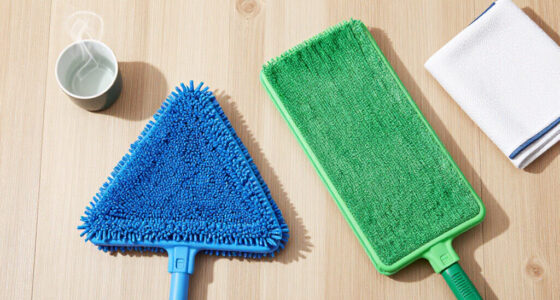
- Release the steam: Squeeze the trigger or press a button to send hot steam through the microfiber pad onto your floor.
- Clean and sanitize: The steam penetrates surface grime, loosening dirt, and killing bacteria. The microfiber pad traps debris and moisture, leaving floors dry and sanitized.
For example, when you press the trigger on your steam mop, the rich, hot vapor hits the tile floor, lifting greasy spots and sanitizing at the same time. It’s like giving your floors a mini steam bath.
cordless steam mop with adjustable steam levels
As an affiliate, we earn on qualifying purchases.
As an affiliate, we earn on qualifying purchases.
What Makes a Modern Steam Mop Different? 4 Key Trends to Know
| Feature | Description |
|---|---|
| Cordless & Battery-Operated | More freedom to move around without plugging and unplugging. Ideal for quick cleanups or big messes. |
| Adjustable Steam Settings | Control steam intensity based on surface type or level of dirt—think gentle for hardwood, powerful for grout. |
| Smart Features | Some models connect to apps or have sensors to optimize steam output and alert you when descaling is needed. |
| Eco-Friendly Design | Focus on reducing water and energy use, often with sustainable materials or energy-saving modes. |
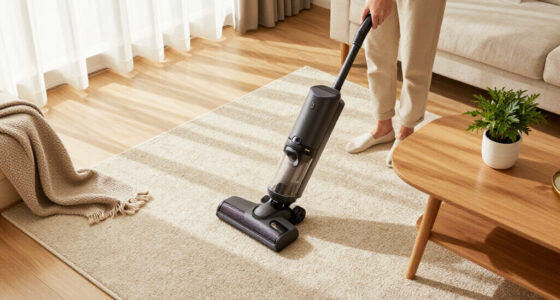
For instance, a recent cordless model lets you clean the entire kitchen floor without stopping to find an outlet. The adjustable steam lets you switch from delicate hardwood to stubborn grout with a quick dial. These trends make steam mops more versatile and user-friendly than ever.
As an affiliate, we earn on qualifying purchases.
Are Steam Mops Safe for Your Floors? The Surface Compatibility Checklist
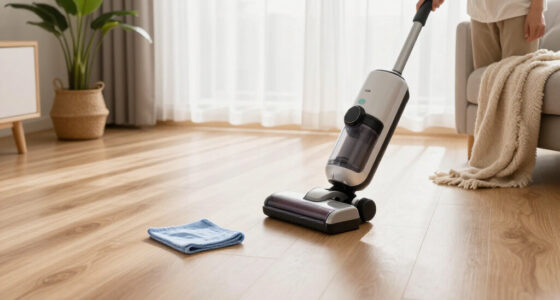
A steam mop is generally safe for sealed floors, but caution is key. Always check the manufacturer’s guidelines before use. Testing a small, hidden area first can prevent damage.
For example, a homeowner with hardwood floors notices a faint sheen after using her steam mop. She checks her manufacturer’s instructions and confirms her finish is sealed. When she tests a small spot first, she’s reassured it’s safe to proceed.
Unsealed or delicate surfaces like certain hardwoods or unfinished stone may not handle steam well. Always verify, and when in doubt, opt for a damp mop with a light cleaning solution instead.
chemical-free floor cleaner steam mop
As an affiliate, we earn on qualifying purchases.
As an affiliate, we earn on qualifying purchases.
Cleaning with a Steam Mop: Do’s and Don’ts for Best Results
- Do: Use only water unless the manufacturer says otherwise.
- Do: Test in a small, hidden area first.
- Do: Keep the microfiber pad clean and replace when worn.
- Don’t: Use on unsealed or delicate surfaces.
- Don’t: Overfill the water tank—avoid spills or leaks.
- Don’t: Leave the device unattended while heating.
Imagine you’re cleaning a sticky kitchen tile. Using the right settings and fresh microfiber pad makes all the difference. Avoiding damage or streaks is easier when you follow these simple tips.
Descaling and Maintenance: Keep Your Steam Mop in Top Shape
Mineral buildup is a common challenge, especially in hard water areas. Regular descaling keeps your steam mop running smoothly and prolongs its lifespan.
For example, in areas with hard water, mineral deposits can clog the internal components, reducing steam output and efficiency. Regular descaling removes these deposits, ensuring consistent performance. Using a vinegar solution not only clears blockages but also prevents corrosion, which can otherwise lead to costly repairs or early device failure. Maintaining your steam mop with proper descaling routines is a small effort that yields long-term benefits, keeping your device reliable and effective for years to come.
Follow your manufacturer’s instructions for descaling products or methods. Proper maintenance prevents clogs, uneven steam, and potential breakdowns, saving you money and hassle later.
Safety Tips Every Steam Mop User Must Know
Hot steam can cause burns if mishandled. Always unplug the device before refilling or cleaning. Use the mop on dry, sealed floors only.
Imagine a child accidentally knocking over a steaming mop. An automatic shut-off feature and keeping the cord clear of walkways can prevent accidents. Never leave a hot mop unattended.
Also, always test surfaces and avoid using on unsealed or delicate floors. Follow safety instructions to keep your cleaning routine safe and effective.
Frequently Asked Questions
Can I use a steam mop on hardwood floors?
Yes, but only if your hardwood is sealed and manufacturer-approved for steam cleaning. Always test a small, hidden spot first and use the lowest steam setting to avoid damage.
How long does it take for a steam mop to heat up?
Most models heat up in about 30 seconds to 2 minutes. Check your device’s instructions for specific warm-up times.
Is a steam mop better than a traditional mop?
For many, yes. Steam mops sanitize without chemicals, dry faster, and require less physical effort. However, they work best on sealed, hard surfaces.
How often should I descale my steam mop?
In areas with hard water, every 1-3 months or after 20-30 uses is recommended. Follow your manufacturer’s instructions for descaling procedures.
Conclusion
Think of a steam mop as a portable, steam-powered cleaning assistant. Its ability to sanitize and lift dirt using only hot water makes it a smart, eco-friendly choice for many homes.
Remember: the key is to match the machine to your surfaces and follow safety guidelines. When used correctly, a steam mop transforms cleaning from a chore into a quick, effective ritual—your floors will thank you.
Columbus Day / Indigenous Peoples' Day Picks
long weekend sales
As an affiliate, we earn on qualifying purchases.