
TL;DR

Get cleaning gear delivered free with Prime
- Fast, free delivery on millions of items
- Prime Video, Amazon Music and more included
- Member-only deals all year
A larger steam mop tank extends cleaning time and reduces refilling, but adds weight. Smaller tanks are lighter but need more frequent refills. Your ideal size depends on your space and cleaning frequency.
Imagine finishing a quick clean-up only to realize you’re already out of water. Frustrating, right? The size of your steam mop’s tank isn’t just about capacity — it shapes your entire cleaning experience. Whether you’re tidying a small kitchen or tackling a whole house, understanding what makes a tank big enough can save you time and hassle.
In this guide, you’ll learn how tank size affects cleaning duration, weight, and refilling needs. We’ll break down recent innovations and help you decide what size fits your routine best. No hype, just practical advice you can trust.
A bigger tank extends cleaning time but adds weight, so balance capacity with your comfort.
Modern models use lightweight materials to pack larger tanks without the heaviness of older designs.
Tech improvements mean tank size isn’t the only factor—steam quality and technology matter.
Match your tank size to your space and cleaning frequency for the best experience.
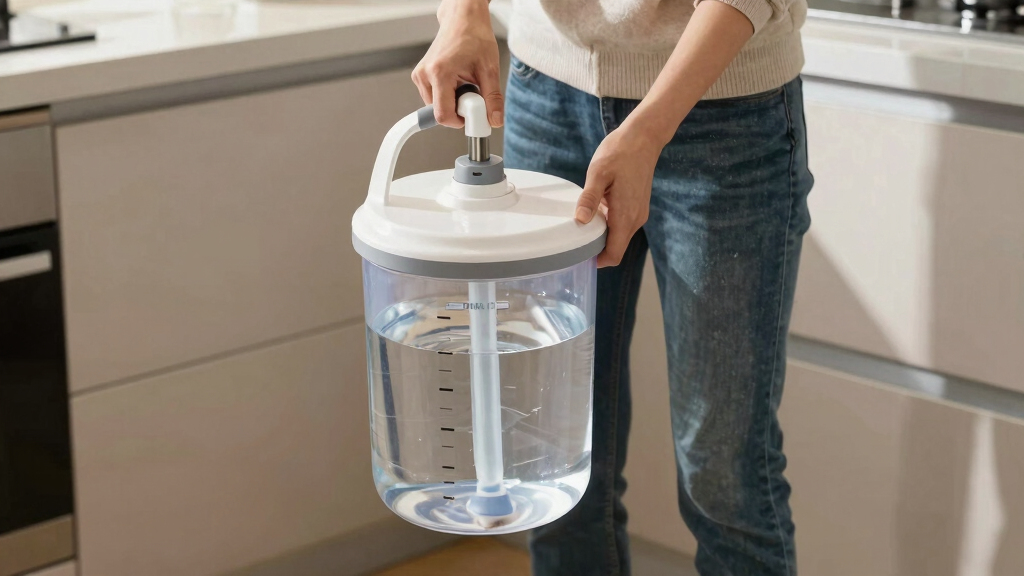
Removable, transparent tanks simplify refilling and help monitor water levels easily.
Why Tank Size Matters for Your Cleaning Routine
The size of your steam mop’s water tank directly impacts how long you can clean without stopping to refill. A typical tank varies from about 200 ml to over 600 ml. For example, a small handheld model with 200 ml might last only 10-15 minutes—great for quick spills but frustrating for whole-room cleaning.
In contrast, an upright steam mop with a 600 ml tank can run for up to 20 minutes or more. Think about cleaning your kitchen floor. A bigger tank means fewer breaks, letting you focus on scrubbing instead of refilling. But there’s a catch: bigger tanks often weigh more, which can make the mop feel like a chore to maneuver.
Understanding this tradeoff is crucial because it influences your cleaning efficiency and physical comfort. A larger tank can significantly reduce the number of interruptions during cleaning, especially for extensive tasks. However, the added weight may cause fatigue or strain, especially if you have mobility issues or need to clean for extended periods. Choosing the right size involves balancing the convenience of longer cleaning sessions against the physical effort required to handle a heavier mop.
As an affiliate, we earn on qualifying purchases.
The Tradeoff: Bigger Tanks Mean Heavier Mops
When you increase tank size, you add weight, which can impact your cleaning experience beyond just physical effort. A heavier mop can lead to quicker fatigue, reduce maneuverability, and potentially cause discomfort or even injury over prolonged use. This is especially relevant if you have joint issues or less strength. The increased weight may cause you to work more slowly or avoid certain areas altogether, which diminishes cleaning effectiveness.
On the flip side, smaller tanks keep the mop lighter, making it easier to handle and less tiring to use for quick or delicate tasks. This can enhance your overall control and reduce strain, but it might mean more frequent refills, interrupting your workflow. The key is understanding your priorities: if your focus is on quick, light cleaning, a smaller tank is advantageous. For larger, more intensive cleaning sessions, a bigger tank can save time but at the expense of added weight. Recognizing this tradeoff helps you select a mop that aligns with your physical comfort and cleaning needs.
lightweight steam mop for extended cleaning
As an affiliate, we earn on qualifying purchases.
As an affiliate, we earn on qualifying purchases.
How Long Does a Typical Tank Last, and When Should You Refill?
Most household steam mop tanks hold between 200 and 600 ml of water, which typically supports cleaning sessions lasting from 10 to 20 minutes. This duration can dramatically influence your cleaning strategy. For instance, if you’re cleaning a 300-square-foot living room, a 400 ml tank might last through the entire space, allowing you to complete the job without interruption. However, if you’re cleaning a larger area or multiple rooms, you might need to refill more frequently, which can disrupt your workflow.
Knowing when to refill is about understanding your cleaning pattern and planning accordingly. Quick refills—often just 30 seconds to a minute—are facilitated by transparent, removable tanks. This feature allows you to monitor water levels easily and refill without mess or hassle. The implication is that choosing a tank size should consider not only capacity but also how it fits into your overall cleaning schedule. Larger tanks reduce the number of refills needed, saving time and effort during extensive cleaning sessions. However, they also tend to be heavier, so weigh these factors based on your typical cleaning routine and physical comfort.
removable transparent water tank steam mop
As an affiliate, we earn on qualifying purchases.
As an affiliate, we earn on qualifying purchases.
Comparison Table: Small vs. Large Steam Mop Tanks
| Feature | Small Tank (200-300 ml) | Large Tank (500-600 ml) |
|---|---|---|
| Weight when full | 2-3 kg | 4-6 kg |
| Cleaning duration | 10-15 minutes | 15-20 minutes |
| Refill frequency | Every 10-15 min | Every 20 min |
| Best for | Quick spot cleaning | Large areas, whole floors |
As an affiliate, we earn on qualifying purchases.
Choosing the Right Tank Size for Your Home
Ask yourself: how big is your space? Do you clean frequently or just occasionally? For small apartments or quick spot cleans, a tank around 200-300 ml might be enough. For larger homes or heavy-duty cleaning, a 500-600 ml tank reduces refills and saves time.
If you have pets or a household that gets dirty fast, bigger tanks help sustain longer cleaning sessions without interruption. Remember, larger tanks can make the mop heavier—so balance capacity with ease of handling.
Choosing the right size is about more than just capacity; it’s about how the tank size aligns with your physical ability and cleaning habits. A larger tank might be perfect for someone with a big house but could be cumbersome for someone with limited strength or mobility. Conversely, a smaller tank is easier to handle but may require more frequent stops, which could extend your cleaning time. The goal is to find a size that complements your routine, making cleaning both efficient and comfortable.
Innovations Making Larger Tanks Lighter and Smarter
Recent tech developments focus on reducing weight without sacrificing capacity. Manufacturers now use lightweight plastics and better water efficiency, so a 600 ml tank doesn’t feel like lifting a brick. Some models also feature transparent tanks, making it easy to see when you’re running low.
Hybrid designs combine handheld convenience with upright power, offering adjustable tank sizes suited for different tasks. These innovations mean you can get the capacity you need without added bulk.
These advancements are significant because they address the core tradeoff between capacity and weight. By making larger tanks lighter and smarter, manufacturers enable users to enjoy longer cleaning sessions without the physical strain. This means you can opt for a bigger tank for extensive cleaning and still maintain maneuverability and comfort, ultimately improving your overall cleaning experience.
What’s the Real Impact of Tank Size on Your Cleaning Power?
Think bigger tanks automatically produce more steam? Not quite. Steam output depends more on the model’s technology than capacity. A small, high-tech steam mop can generate just as much steam as a larger one. So, focus on the steam generation specs, not just tank size.
This means that a larger tank doesn’t necessarily translate into better cleaning power if the technology isn’t up to par. An advanced small-capacity model might outperform a larger, less sophisticated one. Therefore, when evaluating mops, consider both the tank size and the steam technology. The combination of high-tech features and appropriate capacity ensures optimal cleaning performance and efficiency.
Understanding this helps prevent misconceptions that bigger tanks always mean better cleaning. It emphasizes the importance of technological features that control steam output, temperature stability, and consistency, which ultimately determine cleaning success more than capacity alone.
Your Cleaning Routine, Your Tank Size: How to Decide
Are you cleaning a single room or the whole house? Do you prefer quick touch-ups or long, uninterrupted sessions? For quick cleans, go small. For deep, extensive work, bigger tanks are worth the extra weight.
Consider your strength, mobility, and the size of your space. Matching tank size to your routine makes cleaning faster and less frustrating. Think about how often you’ll need to refill and how the weight of a larger tank might affect your stamina during longer cleaning sessions. Finding the right fit means balancing your physical capabilities with your cleaning demands, leading to a more efficient and comfortable experience.
Frequently Asked Questions
How do I know what tank size I need for my home?
Consider your cleaning area’s size and how often you clean. For small spaces or quick touch-ups, a 200-300 ml tank works well. For larger areas or frequent cleaning, aim for 500-600 ml for longer sessions without refilling.Will a bigger tank make my mop too heavy to handle?
Potentially, yes. Larger tanks add weight, especially when full. Look for models with ergonomic designs or lightweight materials to help manage the extra bulk comfortably.Are larger tanks worth the extra weight?
If you regularly clean large spaces or want fewer refills, larger tanks save time and effort. For occasional light cleaning, smaller tanks are more manageable and easier to maneuver.Can I refill during cleaning without making a mess?
Many models feature removable, transparent tanks that make refilling quick and splash-free. Always check user reviews for refill convenience before buying.Does a bigger tank produce more steam?
Not necessarily. Steam output depends more on the mop’s technology than tank size. Some smaller, high-tech models produce just as much steam as larger ones, so focus on steam specs too.Conclusion
Choosing the right steam mop tank size isn’t just about capacity — it’s about your cleaning style, strength, and space. Bigger isn’t always better if it feels like hauling a bag of bricks. Instead, pick a size that keeps your routine smooth and your floors sparkling.
Remember: a well-balanced mop is one that fits your needs comfortably, making each cleaning session a breeze. Your perfect size is out there—just waiting for you to find it.
Halloween Picks
halloween
As an affiliate, we earn on qualifying purchases.