TL;DR

Get cleaning gear delivered free — and shop member deals
- Fast, free delivery on millions of items
- Access to Prime Big Deal Days deals on October 6–7
- Prime Video, Amazon Music and more included
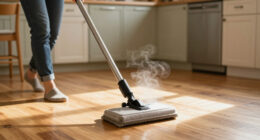
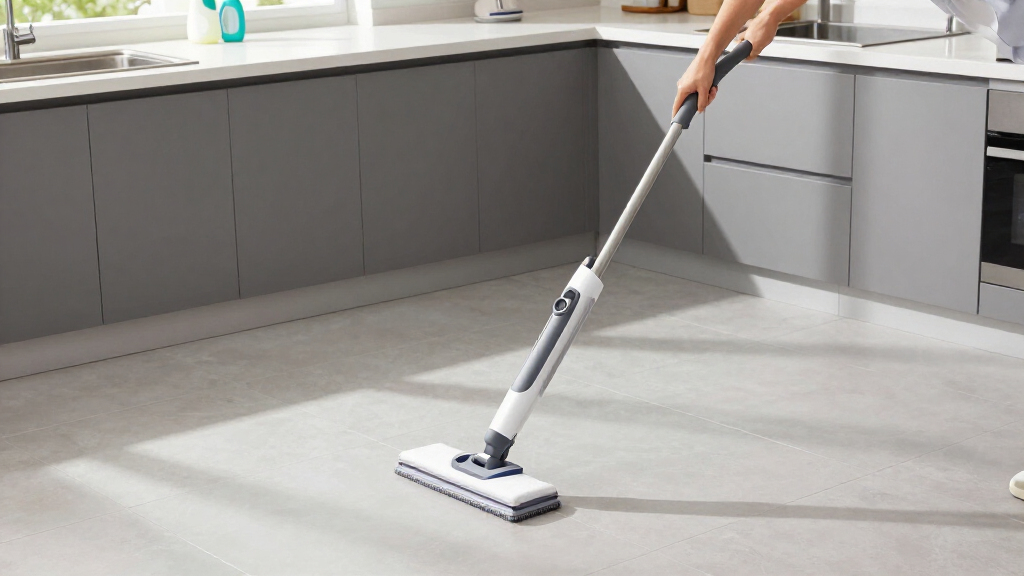
A steam mop with a detachable handheld can handle both floor and above-floor cleaning, but it’s often heavier and pricier. Consider your surfaces and cleaning habits before choosing one, and always follow manufacturer guidance for safe use.
Imagine a single tool that can scrub your floors, clean your grout, and even shine your shower doors. Sounds tempting, right? But before you rush to buy a steam mop with a detachable handheld, it’s worth understanding what you’re getting into. Not all surfaces love steam, and these appliances come with their own quirks.
In this guide, you’ll discover the real advantages—and the pitfalls—of these versatile machines. You’ll learn whether they’re worth the extra weight and expense, and how to use them safely on different surfaces. Because a smart choice starts with clear facts, not hype.
A detachable handheld adds versatility for above-floor cleaning but increases weight and complexity.
Always verify surface compatibility before using steam to prevent damage, especially on wood, laminate, or vinyl.
A good model offers adjustable steam, quick heat-up, and easy refilling—compare these features carefully.
Steam can kill germs if used correctly, but it doesn’t replace wiping or deep cleaning for hygiene.
Consider your cleaning routine—if mostly floors, a basic steam mop may be simpler, cheaper, and safer.
Should You Buy a Steam Mop With a Detachable Handheld?
One appliance can clean floors, grout, fixtures and shower doors—but versatility comes with extra weight, cost and risk. The right choice depends less on the feature list and more on your surfaces, strength and actual cleaning routine.
What the handheld actually adds
The detachable unit is most useful when its attachments solve specific, recurring problems. Steam loosens grime; brushes, cloths and wiping remove it.
Grout & corners
Concentrated steam and agitation can loosen buildup around tiled showers, grout lines and awkward edges. Unsealed grout still requires caution.
Suitable glass
Useful for shower doors and other manufacturer-approved glass. Never steam cold, cracked or damaged glass because thermal shock may cause breakage.
Fixtures & sinks
A focused nozzle reaches around taps, stovetops and crevices. Keep steam away from electrical parts, outlets and heat-sensitive seals.
Approved textiles
Some tools can refresh suitable upholstery or fabric. Test first and avoid delicate materials, leather, dyes or surfaces not expressly approved.
More hardware
Hoses, brushes and adapters expand the job list, but they also add storage, setup and maintenance. Unused attachments become costly clutter.
Not extraction
A carpet glider may refresh fibers, but it does not extract embedded soil or dirty water. It does not turn a steam mop into a carpet cleaner.
Steam is not surface-neutral
Heat and moisture can enter seams, weaken adhesives, distort vinyl and damage finishes. A “sealed floor” claim is not universal permission.
| Surface | Steam status | Primary concern | Smart action |
|---|---|---|---|
| Sealed ceramic or porcelain tile | ✓ Often suitable | Grout condition and excess water | Use controlled steam and keep the head moving. |
| Sealed stone | ~ Verify first | Sealant, porosity and stone type | Check stone-care and appliance instructions. |
| Wood or engineered wood | ~ High caution | Finish damage, seams and warping | Use only if the flooring maker explicitly permits it. |
| Laminate, luxury vinyl or linoleum | ~ High caution | Peeling, distortion and weakened adhesive | Verify the exact product warranty before steaming. |
| Unsealed or waxed wood | ✗ Avoid | Moisture penetration and finish loss | Choose a manufacturer-approved low-moisture method. |
| Porous stone, delicate fabric or leather | ✗ Avoid | Staining, heat damage and discoloration | Use a material-specific cleaning method. |
| Electronics, outlets or papered walls | ✗ Never | Electrical danger or water damage | Keep steam completely away. |
Versatility has a physical cost
Convertible machines carry extra hardware and water. Test the operating weight, detached weight, balance and trigger—not merely the empty display model.
Where the format tends to perform
Relative buying priorities—not laboratory performance scores.
Choose the handheld if…
- You regularly clean tile, grout, shower glass and fixtures.
- You can hold the detached unit comfortably.
- The hose and cord reach your intended areas.
- You will store, wash and replace the attachments.
Choose a basic mop if…
- Your routine is mostly sealed-floor cleaning.
- Low weight and maneuverability matter most.
- Your home contains many steam-sensitive surfaces.
- You want a lower price and fewer components.
From floor label to finished clean
Safe steam cleaning is a connected process. Skip one link and convenience can turn into surface damage, smeared residue or a false sense of sanitation.
Verify
Check the surface maker and steam-mop manual.
Test
Try a hidden area on the lowest setting.
Prepare
Vacuum or sweep away loose dirt first.
Steam
Use controlled output and avoid saturation.
Remove
Wipe loosened grime and wash dirty pads.
Heat needs contact time.
Steam can reduce many microorganisms only when the required temperature and exposure time are achieved. Follow the model’s tested instructions; a quick pass may clean visibly without sanitizing.
Features worth comparing
A long attachment list is less important than daily usability. Prioritize the features that keep steam controlled, visible and comfortable.
Adjustable steam
Low output helps limit moisture; higher output may assist on approved tile and stubborn residue. More is not always better.
Weight & balance
Assess the unit with a full tank. Check handheld weight, swivel movement, handle comfort and whether the trigger must be held.
Tank & refill
A larger tank runs longer but weighs more. A removable tank, visible level and safe refill process reduce interruptions.
Heat-up signals
Look for rapid heat-up and a reliable ready indicator. Clear controls reduce guesswork and accidental over-treatment.
Useful attachments
Prioritize a detail brush, focused nozzle and suitable squeegee. Confirm replacements are available before buying.
Maintenance plan
Minerals can restrict steam output. Follow the maker’s water and descaling guidance, especially in hard-water areas.
Worth it for frequent above-floor cleaning—not automatically better for floors.
Buy when the handheld solves jobs you genuinely do, your approved surfaces can tolerate steam, and the operating weight feels manageable. Otherwise, a lighter basic mop may be the smarter tool.
Will a detachable handheld really clean better than a regular steam mop?
The short answer: yes, if you need to tackle above-floor surfaces and tight spots. A detachable handheld adds reach and precision, making it easier to clean grout lines, fixtures, and even kitchen appliances. For example, a homeowner with a tiled shower loves how the handheld can get into grout corners without bending or crouching.
But remember—steam alone isn’t a magic wand. It loosens grime, but you still need to wipe or scrub. The handheld’s effectiveness depends on the attachments and your technique. Without proper tools, it’s just a fancy spray of hot vapor.
steam mop with detachable handheld
As an affiliate, we earn on qualifying purchases.
As an affiliate, we earn on qualifying purchases.
Are steam mops with detachable handheld safe for all surfaces?
Steam is a gentle heat, but not all surfaces enjoy moisture or heat equally. Sealed ceramic and porcelain tile often tolerate steam well. However, unsealed wood, laminate, and luxury vinyl plank can warp, peel, or discolor if exposed to high heat or excess moisture.
For instance, a homeowner who steam-cleaned their laminate floor without checking the manufacturer’s guidance ended up with warped edges. Always check your flooring’s manual and the steam mop’s instructions before hitting any surface.
Test a hidden spot first. Use the lowest steam setting and keep the mop moving to avoid saturating one area. When in doubt, opt for traditional cleaning methods or a microfiber mop for moisture-sensitive floors.
Understanding these surface limitations is critical because using steam improperly can cause irreversible damage. The implications are significant: damage to flooring can lead to costly repairs, and in some cases, it might void warranties. Therefore, knowing your surfaces and following manufacturer instructions isn’t just cautious—it’s essential for avoiding unintended consequences that can negate the convenience of steam cleaning.
best steam mop for above floor cleaning
As an affiliate, we earn on qualifying purchases.
As an affiliate, we earn on qualifying purchases.
How does a detachable handheld boost your cleaning power?
The biggest perk of a detachable handheld is versatility. Need to clean grout lines? Detach, attach a detail brush, and go. Want to shine glass or mirrors? Use the squeegee with steam for streak-free results. For example, a busy mom uses the handheld to quickly wipe down kitchen counters and sink fixtures between chores.
Attachments like concentrated steam nozzles or upholstery tools turn one machine into several. This can save money and storage space—if you genuinely use these tools often. Otherwise, they’re just added weight and clutter.
Beyond convenience, the handheld’s ability to reach into tight corners and delicate surfaces means you can tackle cleaning tasks that would otherwise require multiple separate tools. This expanded functionality can reduce the need for harsh chemicals or multiple devices, making your cleaning routine more efficient. However, the tradeoff is that with more tools and features, the device often becomes heavier and more complicated to operate. The decision to invest should consider whether these added capabilities align with your typical cleaning challenges and whether the convenience outweighs the potential hassle of handling a more complex machine.
steam mop with adjustable steam settings
As an affiliate, we earn on qualifying purchases.
As an affiliate, we earn on qualifying purchases.
Is a heavier, more complex steam mop with a handheld worth the extra hassle?
Weight and ergonomics matter. A model with a detachable unit often weighs more, especially when fully loaded with water. If you’re used to lightweight mops, this can feel tiring after a few minutes. For example, a senior homeowner finds the extra weight makes cleaning floors less comfortable.
Check handle comfort, balance, and whether the weight feels manageable for your routine. Also consider how easy it is to switch attachments or refill tanks without interrupting your cleaning flow.
Sometimes, the extra features complicate the simple act of mopping, making your chores more cumbersome than they need to be. The tradeoff is that heavier, more complex models may cause fatigue, reduce maneuverability, and increase the likelihood of accidental drops or mishandling. If your cleaning sessions are long or involve frequent movement, these ergonomics aren’t just minor inconveniences—they can significantly impact your experience and safety. Weigh the benefits of extra features against the potential for increased physical strain and operational complexity, especially if you have mobility issues or limited strength.
As an affiliate, we earn on qualifying purchases.
Do steam mops with detachable handhelds actually sanitize surfaces?
Steam can kill many germs if used properly—given enough heat and contact time. But a quick pass doesn’t guarantee sanitation. For instance, a parent using the steam mop to disinfect kitchen counters must hold the steam in place for several seconds, according to manufacturer instructions.
Remember: steam loosens dirt and kills some bacteria, but it doesn’t replace cleaning with disinfectants in every case. Surfaces often need to be wiped afterward to remove loosened grime and ensure thorough sanitation. Rushing through cleaning can leave bacteria behind or spread dirt to other areas.
If sanitization is a high priority, opt for models that specify high temperatures and clear contact times. Following precise instructions ensures you’re actually achieving disinfection levels. Keep in mind that improper use—such as quick passes or insufficient contact—can give a false sense of security, leaving germs alive and potentially risking health. Therefore, understanding the limits of steam and adhering to proper technique is vital to truly benefit from its sanitizing potential.
Are detachable handheld steam cleaners more expensive and harder to maintain?
Yes, generally. These models involve more parts—hoses, filters, attachments—and often come with a higher price tag. For example, a mid-range model might cost $150–$250, while basic steam mops can be under $100.
Beyond initial costs, maintenance can be more involved. Descaling is crucial, especially in areas with hard water, to prevent mineral buildup that can clog the steam outlet and reduce efficiency. Regularly cleaning filters and replacing worn attachments prolongs the life of your device but adds ongoing costs and effort. Neglecting maintenance can lead to reduced performance or damage, which might require professional repairs. Additionally, sourcing replacement parts may be more complicated or expensive, especially for models with proprietary components. Understanding these long-term costs and maintenance requirements is essential to determine if the higher upfront investment is justified by the device’s durability and performance over time.
Who really benefits from a detachable handheld steam mop?
If you regularly clean grout, kitchen fixtures, or want to sanitize surfaces without chemicals, this tool can be a game-changer. For example, someone with a tiled bathroom uses the handheld for shower doors and tiles, saving hours of scrubbing with brushes.
It’s ideal if you have sealed floors that tolerate steam and want a multi-purpose cleaner in one device. But if your main task is just floor mopping, a simple steam mop might do better.
Assess how often you’ll use the handheld and whether its attachments match your cleaning needs before investing. Consider whether the added versatility justifies the extra weight and expense for your particular situation. If you find yourself frequently tackling above-floor tasks or needing to disinfect, the investment can be worthwhile. Conversely, if your cleaning is mostly limited to floors, a basic model could be more practical and cost-effective.
When should you stick to a basic steam mop instead of a detachable one?
If your main goal is quick, lightweight floor cleaning, a simple steam mop is often better. They’re cheaper, lighter, and easier to handle. For example, a homeowner with laminate floors avoids steam altogether, sticking to microfiber mops and spray cleaners.
For moisture-sensitive floors, or if you rarely need above-floor cleaning, the extra weight and complexity aren’t worth it. Basic models are also less likely to cause accidental damage or burns. If your cleaning routine is infrequent or involves delicate surfaces, simplicity minimizes risk and effort. Remember, sometimes less truly is more—choosing a straightforward device can be more effective and safer for your specific needs.
Evaluate your typical cleaning tasks and surface types carefully to determine whether the added features of a more complex model are necessary or just an unnecessary complication.
What features should you compare before buying?
| Feature | Why it matters |
|---|---|
| Surface compatibility | Prevents damage and voids warranty |
| Weight & ergonomics | Ensures comfortable, safe use |
| Tank capacity & refill method | Longer cleaning without interruption |
| Steam control & heat-up time | Adjust for different surfaces and quick start |
| Attachments & accessories | Expands cleaning options |
| Maintenance & descaling | Extends appliance lifespan |
Frequently Asked Questions
Can a detachable handheld steam cleaner replace a regular vacuum?
No. While it can loosen dirt and refresh surfaces, it doesn’t pick up debris like a vacuum. Use it after vacuuming or sweeping for best results.Is it safe to use a steam mop with a detachable handheld on hardwood floors?
Only if both the floor and device manufacturer approve it. Always test a hidden spot first, and use the lowest steam setting to avoid warping or damage.Will steam kill mold and bacteria in my bathroom?
Steam can help reduce surface mold and bacteria if used properly—holding the steam on the area for several seconds. But it’s not a cure-all—address moisture issues and clean thoroughly afterward.Should I put cleaning chemicals in the steam mop tank?
Most manufacturers recommend water only. Adding cleaners or oils can damage the machine and create fumes. Check your manual before trying anything extra.How often should I descale my steam mop?
In hard-water areas, descale every few months or as recommended by the manufacturer. Use approved descaling agents, and follow the instructions closely to keep the steam flowing smoothly.Conclusion
Choosing a steam mop with a detachable handheld boils down to your cleaning habits and surfaces. If you frequently need above-floor detail and can handle a heavier, more complex machine, it can be a real time-saver. But for basic floor cleaning, simplicity often wins.
Think about what surfaces you have, how often you clean, and whether you’ll use the attachments. The right tool makes chores easier—just don’t forget to test first and follow safety tips. A smart buy is one that fits your home and your routine, not just the latest gadget trend.
Evergreen bestsellers Picks
bestsellers
As an affiliate, we earn on qualifying purchases.