
TL;DR

Get cleaning gear delivered free with Prime
- Fast, free delivery on millions of items
- Prime Video, Amazon Music and more included
- Member-only deals all year
Fast heat-up times boost convenience for quick tasks, while longer run times reduce interruptions on larger jobs. The best choice aligns with your typical use pattern, not just specs.
Ever started cleaning only to wait forever for your device to warm up? Or found yourself constantly refilling or recharging mid-job? Both heat-up time and run time shape your experience, but which one truly matters? Understanding the trade-offs can save you time, frustration, and money.
This guide cuts through the hype. We’ll explore how each specification impacts real-world use—and how to pick the right balance for your typical cleaning sessions. Whether you’re tackling small spots or whole rooms, knowing which feature to prioritize makes all the difference.
Total task time—initial heat-up, active work, and delays—guides better choice than specs alone.
Manufacturer claims often reflect ideal conditions, not real-world performance.
Capacity affects usability, but bigger isn’t always better if it sacrifices portability or speed.
Recovery and temperature stability matter more for demanding, continuous tasks.
Safety features and energy efficiency should match your use pattern, not just speed or size.
Heat-Up Time vs Run Time: Which Should You Prioritize?
Fast startup makes quick tasks effortless. Long endurance keeps large jobs moving. The smarter choice is the device that completes your typical task with the fewest total delays—not the one with the flashiest headline number.
Convenient at first, but repeated stops can erase the advantage.
A longer wait may pay off when operation remains uninterrupted.
A claimed 15-minute battery run may fall near half at high output.
Your use pattern matters more than either maximum claim alone.
Measure the entire job, not just the opening act
A fast-heating device can still finish late if it pauses repeatedly. Add every stage between deciding to start and actually completing the work.
Time until genuinely usable output begins.
Time spent producing useful, stable output.
Refilling, charging, reheating, recovery, and cooling.
The clearest measure of real-world usefulness.
Which side of the trade-off fits your routine?
Start with how often you use the device, how long each job lasts, and whether stopping halfway creates a real problem.
Fast & frequent
Startup speed has the greatest value when the work itself is brief.
- Spot cleaning and touch-ups
- Busy morning routines
- Several short sessions per day
- Tasks lasting only a few minutes
Long & demanding
Endurance wins when interruptions disrupt momentum or reduce quality.
- Whole-home or large-surface cleaning
- Professional and commercial work
- Travel or use away from power
- High-output continuous sessions
Mixed & shared
Flexible households need acceptable startup with practical endurance.
- Different jobs throughout the week
- Multiple people sharing one device
- Moderate sessions with occasional peaks
- Unpredictable access to refills or power
Headline specifications only tell part of the story
Compare the feature that looks impressive with the operating behavior that determines whether it remains useful after startup.
| Buying factor | Fast heat-up focus | Long run-time focus | What to verify |
|---|---|---|---|
| Quick spot task | ✓Excellent fit | ~Capacity may be unnecessary | Time until usable output |
| Large continuous job | ✗Stops can dominate | ✓Strong fit | High-setting endurance |
| Portability | ✓Often lighter | ~Larger capacity adds bulk | Filled operating weight |
| Stable high output | ~Startup proves little | ~Duration proves little | Recovery and temperature stability |
| Interruptions | ✗Risk with small capacity | ✓Fewer planned stops | Refill, swap, recharge, and cooldown rules |
| Energy efficiency | ~Fast cycling may waste power | ~Long heating is not automatically wasteful | Energy per completed task |
Advertised performance can shrink under real load
Maximum temperature, pressure, power setting, ambient conditions, and work intensity can all change the outcome. An indicator light is not proof of full usable performance.
Illustrative run-time erosion
Published figures often assume low or intermittent output. Higher demand consumes available capacity faster.
Five questions for every claim
Look for testing that resembles your hardest normal task—not a laboratory best case.
Capacity and power reshape the whole experience
A larger tank, battery, or fuel reservoir usually extends operation—but can also add weight, bulk, cost, and startup time. Raw wattage matters less than the complete thermal and power design.
More time, more weight
A large reservoir can support an hour-long job, yet feel cumbersome in tight spaces. Judge capacity against filled weight, maneuverability, and storage.
Faster is not always steadier
Higher wattage may accelerate heating but increase electricity demand. For cordless equipment, stronger output commonly reduces battery life.
Control beats brute force
Insulation, sensors, temperature control, and efficient recovery can let a lower-wattage device outperform a poorly managed high-power model.
A modest run time can still be highly practical
Refill ports, removable batteries, replaceable cartridges, and corded operation can reduce downtime more effectively than simply adding capacity.
Keep the heat working
A refillable reservoir can outperform a larger sealed tank that must cool before opening.
- Check whether refilling requires shutdown
- Confirm pressure-release procedures
- Measure restart time after refilling
Turn pauses into seconds
A spare removable battery can make a moderate stated run time suitable for marathon sessions.
- Check charge time versus discharge time
- Price replacement batteries
- Verify output remains stable near empty
Sustain useful output
Rapid temperature recovery prevents pressure loss, inconsistent results, and repeated mid-task waiting.
- Test after a sustained high-output burst
- Look for stable temperature control
- Prioritize recovery for demanding work
Translate your routine into the right specification
Follow the task from real need to real outcome. Each link prevents a headline number from becoming an expensive mismatch.
Define the task
Spot treatment, full room, professional work, or mixed use.
Estimate demand
Session length, output intensity, frequency, and portability.
Count delays
Startup, refill, recharge, recovery, reheating, and cooldown.
Verify safeguards
Overheat, pressure, dry-run, shutoff, locks, and indicators.
Compare outcomes
Total task time, energy per task, comfort, and completed quality.
Prioritize your bottleneck
If waiting to begin disrupts frequent small tasks, choose faster heat-up. If stopping halfway disrupts larger jobs, choose longer run time. When both matter, favor continuous refill or swappable power, strong recovery, stable output, and the lowest total task time.
Why Neither Spec Alone Tells the Full Story
Heat-up time and run time are often presented as straightforward specs, but reality paints a more complex picture. A device that warms up in 30 seconds might stop frequently, wasting your time. Conversely, a model with a 20-minute run time might have a sluggish start, making quick jobs frustrating.
Imagine you need to quickly spot-clean a sticky kitchen spill. A device with near-instant heat-up lets you start immediately, but if it only runs five minutes before needing a refill, you might end up juggling tasks. On the other hand, a larger-capacity device may take longer to heat but run steadily for an hour, ideal for big jobs.
The key is to evaluate total task time—adding up heat-up, active work, and delays—rather than fixating on just the initial warm-up or maximum run time. This approach helps you understand the real efficiency of a device, revealing whether it saves you time or causes delays. For example, a device with a quick heat-up but frequent refills may be less efficient overall than a slower-heating model with longer continuous operation. Recognizing these trade-offs ensures you pick a device aligned with your priorities—be it speed, endurance, or convenience.
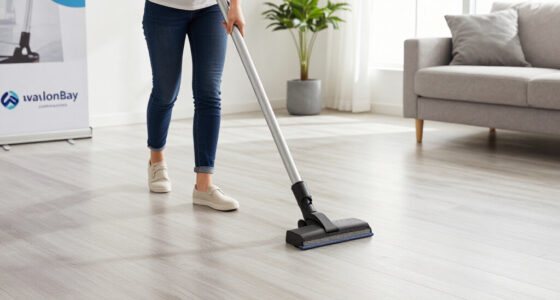
cordless vacuum cleaner with fast heat-up
As an affiliate, we earn on qualifying purchases.
As an affiliate, we earn on qualifying purchases.
What Advertised Figures Often Miss: Real-World Performance
Manufacturers publish impressive heat-up and run-time figures, but these are often under ideal conditions. A device might heat in 30 seconds on a cold day, but that’s with a full tank and low settings. In practice, heavy use, high pressure, or cooler environments slow things down.
For example, a steam mop might claim a 10-minute run time, but that’s at the lowest setting. Crank up the heat for tough grime, and the time drops sharply. Similarly, a battery-powered device may boast a 15-minute run time, but continuous high-output use could cut that in half.
Look for real-world testing, or at least understand that actual use will likely differ from the specs. This is crucial because relying solely on manufacturer claims can lead to overestimating a device’s capabilities. If you need steady performance during demanding cleaning tasks, seek out reviews or tests that simulate typical conditions—like high heat or extended use—to get a more accurate picture of how the device will perform in your environment. This helps you avoid surprises and choose a model that genuinely meets your needs rather than just looking good on paper.
handheld steam cleaner long battery life
As an affiliate, we earn on qualifying purchases.
As an affiliate, we earn on qualifying purchases.
Capacity = More Than Just a Number
Larger water tanks or batteries mean longer operation, right? Not always. Bigger capacity adds weight, bulk, and often, longer heat-up times. If you’re juggling a heavy, bulky device, it might be less practical for quick tasks or tight spots.
For example, a professional-grade steam cleaner with a 2-liter tank can run for an hour, but it’s heavy and cumbersome. A smaller, portable model heats faster and is easier to maneuver, perfect for quick touch-ups. The trick is matching capacity to your typical tasks—bigger isn’t always better if it compromises portability or ease.
Understanding this trade-off means you can choose a device that balances capacity with usability. If you often clean large areas or stubborn grime, a bigger tank or battery makes sense. But if your tasks are quick and frequent, a lighter, smaller device that heats faster and is easier to handle will serve you better. Recognizing that capacity impacts weight, heat-up time, and maneuverability helps you make a more informed choice tailored to your cleaning style.
As an affiliate, we earn on qualifying purchases.
Power, Heating, and Recovery: What Really Affects Performance
Wattage influences both how fast a device heats and how well it maintains temperature. Higher wattage heats quicker but often drains batteries faster or causes more energy cycling. A device with efficient temperature control and insulation can outperform a simply high-wattage model.
For instance, a cordless steam mop with 1500W heats up in 45 seconds, but if it can’t recover temperature quickly after heavy use, it stalls mid-clean. Conversely, a well-insulated model with 1000W might heat more slowly but sustain performance longer. This means that higher wattage isn’t always better; the design and engineering behind the device determine how well it performs under demanding conditions.
Understanding how power affects recovery and stability helps you pick a device that’s reliable during demanding tasks. A device with high wattage may seem advantageous, but if it can’t recover quickly or maintain consistent temperature, it will hinder your efficiency. Conversely, a well-designed lower-wattage device with good insulation and sensors can outperform a high-wattage model that lacks these features, ensuring steady performance and less frustration.
professional steam cleaner with long run time
As an affiliate, we earn on qualifying purchases.
As an affiliate, we earn on qualifying purchases.
Refilling, Replacing, and Continuous Operation
Some devices support continuous refilling or have removable batteries, making long jobs easier. Imagine a steam cleaner with a quick-release water tank you refill on the fly—no downtime, no waiting. Others require a cooldown period before opening or refilling, adding delays.
For example, professional cleaners prefer units with refillable reservoirs or modular batteries. They keep working without stopping, even during marathon sessions. Think about your typical use—do you need uninterrupted operation or are short, quick sessions enough?
Features like refill ports and swappable batteries can turn a moderate run time into a more practical, uninterrupted experience. The ability to refill or swap batteries on the go reduces downtime significantly, especially during extended cleaning sessions. This flexibility can be a game-changer for professionals or heavy users, ensuring continuous productivity without waiting for the device to cool down or refuel.
Recovery and Temperature Stability: Why They Matter
Initial heat-up isn’t the whole story. How well a device recovers after heavy use determines if it maintains consistent steam pressure. If the temperature drops, the cleaning power diminishes, and you might need to pause or slow down.
Picture cleaning stubborn grout lines. You want a device that quickly bounces back after a burst of high pressure, not one that cools off immediately and forces downtime. This recovery capability ensures your cleaning remains effective, even during demanding tasks. Devices with good thermal recovery often feature advanced sensors or insulation that help them regain temperature rapidly, maintaining steady performance. If a device struggles to recover, you may find yourself waiting for it to warm up again, which interrupts your workflow and reduces efficiency. Prioritizing thermal recovery means choosing a tool that can handle extended or intensive cleaning sessions without losing power or speed.
Safety Features and Energy Efficiency: More Than Just Convenience
Fast heating isn’t helpful if safety features are weak. Overheat protection, pressure relief, and automatic shutoff prevent accidents. A device that heats quickly but risks pressure buildup can be dangerous.
Similarly, energy efficiency can influence total operating cost. A device that heats in 30 seconds but cycles repeatedly due to poor insulation or control might use more energy than a slower-heating, well-insulated model. Investing in safety features and energy-efficient design not only protects you but also reduces long-term operating costs. Features like automatic shutoff, thermal cutouts, and pressure relief valves are essential for safe operation, especially when the device heats rapidly. Energy-efficient models often incorporate better insulation, sensors, and control algorithms that minimize power waste. Choosing a device with robust safety and efficiency features ensures peace of mind and helps you save money over time.
Choosing Based on Your Typical Use: Quick Jobs or Big Projects?
Match your device to your routine. For quick, daily touch-ups, prioritize heat-up time. A device that’s ready in seconds keeps your mornings smooth and spontaneous. For larger, scheduled cleaning, focus on run time and recovery—less interruptions, fewer refills.
For example, a busy parent cleaning spills every morning benefits from a quick-start model. A professional cleaner tackling entire homes needs longer operation and fast recovery to stay productive. The key is to evaluate your typical cleaning sessions and choose a device that aligns with those needs. If your routine involves frequent, short bursts of cleaning, a device with rapid heat-up and lightweight design minimizes delays. Conversely, for extensive cleaning jobs, prioritize models with longer run times and quick recovery to maintain momentum. Use this understanding to select a device that complements your cleaning style, ensuring efficiency and convenience in every session.
Use this simple table to decide:
| Usage Pattern | What to Prioritize |
|---|---|
| Quick daily tasks | Fast heat-up, lightweight design |
| Big projects or professional work | Long run time, fast recovery |
| Travel or portable use | Balanced performance with weight |
| Frequent, continuous cleaning | Refillability, modular batteries |
The Latest Trends: Smarter, Faster, Longer
Advances are blurring the lines between heat-up and run time. Instant-on systems, modular batteries, and smart sensors now let devices warm up quickly and sustain performance longer. For instance, some models heat in under 30 seconds and keep pace through hours of use with minimal downtime.
Innovations like eco modes and real-time status displays give you more control, extending effective use and reducing energy waste. These trends make choosing a device more about smart features than raw specs alone.
Stay aware—specifications might still exaggerate, so look for independent reviews and real-world tests.
What You Need to Remember When Picking Your Device
The real trick isn’t just about the numbers. It’s about matching the device’s strengths to your typical tasks. Fast heat-up is perfect for quick touch-ups. Longer run time shines on big jobs. The best device balances both based on your needs.
Think about total task time—adding up all delays and pauses—rather than just the advertised specs. Reliability, safety, and ease of maintenance matter just as much.
Choose what helps you get the job done smoothly, without waiting or constant refills. That’s how you turn a good device into a great cleaning partner.
Frequently Asked Questions
What counts as a good heat-up time?
It depends on your typical task. For quick touch-ups, a device that heats in under 1 minute is ideal. For longer cleaning sessions, 2-3 minutes might be acceptable, but anything over 5 can cause frustration.Is longer run time always better?
Not necessarily. Excess capacity can add weight, cost, and bulk. It’s more practical to choose a device that matches your usual session length, with some reserve for unexpected needs.Are manufacturer run-time claims accurate?
Claims are often based on ideal conditions. Real-world use, especially at higher settings or with continuous heavy tasks, usually shortens that runtime. Look for independent reviews or test results for a more accurate picture.Does higher wattage mean faster heating?
Typically yes, but design matters. Good insulation, sensors, and control systems also influence how quickly and steadily a device heats and recovers temperature.Does rapid heating use more electricity?
Not necessarily. Short, intense bursts can use less energy overall than slow, prolonged heating, especially if the device maintains temperature efficiently afterwards.Conclusion
Choosing between heat-up time and run time isn’t about picking a winner—it’s about matching your device to your routine. Focus on how you actually use your cleaner, and aim for a balance that minimizes waiting and interruptions.
Remember, the best tool is the one that gets the job done with the fewest delays, not the one with the flashiest specs. Think about your typical tasks, weigh the trade-offs, and pick what keeps your cleaning simple and steady.
Evergreen bestsellers Picks
bestsellers
As an affiliate, we earn on qualifying purchases.