
TL;DR

Get cleaning gear delivered free — and shop member deals
- Fast, free delivery on millions of items
- Access to Prime Big Deal Days deals on October 6–7
- Prime Video, Amazon Music and more included
Descaling a steam mop prevents mineral buildup and maintains performance. Use natural solutions like vinegar, follow manufacturer advice, and flush thoroughly to avoid wrecking it.
Use a 50/50 vinegar-water solution to remove up to 85% of mineral deposits safely.
Always rinse thoroughly after descaling to prevent lingering vinegar smell and damage.
Choose distilled or demineralized water to reduce how often you need to descale.
Test a hidden area first before applying vinegar or commercial descaling agents.
Regular maintenance, including nozzle cleaning and proper storage, extends your steam mop’s life.
Why Regular Descaling Keeps Your Steam Mop Running Smoothly
When you use your steam mop frequently, mineral deposits from tap water start building up inside. Over time, these deposits can clog nozzles, extend heating times, or even cause internal corrosion. Regular descaling is like giving your mop a health check—preventing performance issues and extending its lifespan. Imagine trying to clean with a clogged straw—no matter how much effort you put in, the flow is weak.
Most homeowners notice reduced steam or strange odors before real damage occurs. A quick descaling routine every 1-3 months, depending on water hardness, keeps your device humming. It’s a simple step that saves money and hassle down the line. Neglecting regular descaling can lead to costly repairs or the need for replacement, as mineral buildup can corrode internal components or clog critical pathways, ultimately shortening the lifespan of your device.
As an affiliate, we earn on qualifying purchases.
What Water Do You Use? The Key to Easier Descaling
The type of water you fill your steam mop with makes a big difference. Using distilled or demineralized water drastically cuts down mineral deposits, reducing the frequency and severity of scale buildup. If you’re on city water, expect more frequent descaling because it contains higher mineral content—calcium, magnesium, and other elements that leave residues. Think of it like choosing low-fat versus full-fat milk—your choice affects how often you need to clean and how much effort is required to maintain optimal performance.
For instance, a homeowner in a hard-water area might need to descale every month because the minerals accumulate rapidly, while someone with soft water can stretch it to every three months. Always check your water quality—testing with a simple water test kit or consulting local water reports can give you a clear picture. The more mineral-rich your water, the more diligent you need to be about descaling, as mineral deposits can insulate heating elements, cause uneven heating, or block steam channels, which diminishes cleaning effectiveness.
As an affiliate, we earn on qualifying purchases.
Follow These 8 Steps to Descale Your Steam Mop Safely
- Unplug and cool down. Never open or start descaling while the device is hot or plugged in. Hot components can cause burns or internal damage if disturbed prematurely.
- Empty the tank. Pour out any residual water to prevent spills, and to ensure the descaling solution contacts all internal surfaces for maximum effectiveness.
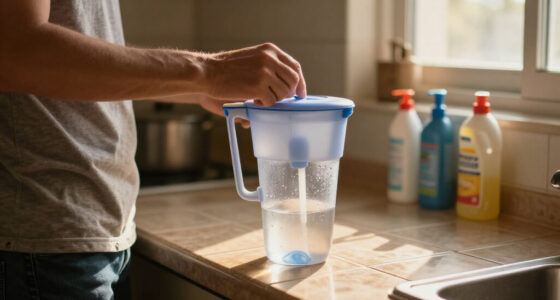
- Mix your solution. Combine equal parts of white vinegar and water, or use a manufacturer-approved descaling solution. Proper mixing ensures the acid concentration is sufficient to dissolve mineral deposits without being so strong as to damage internal parts.
- Fill the tank. Pour the mixture into the water reservoir, making sure not to overfill—this prevents spills and ensures even distribution during operation.
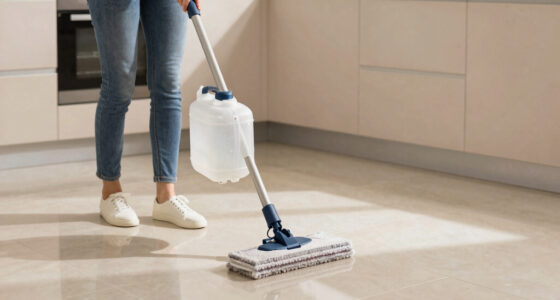
- Run the mop. Turn it on and let it operate until the solution is expelled—this helps loosen and dislodge scale from internal channels and nozzles. The agitation and heat facilitate mineral dissolution.
- Rinse thoroughly. Empty the tank, refill with clean water, and run the device again to flush out any remaining vinegar. Proper rinsing prevents lingering acidity that could damage components or cause odors.
- Clean nozzles and attachments. Use a small brush or cloth to remove any remaining deposits on nozzles, brushes, or filters—residual scale can cause blockages or uneven steam distribution.
- Dry and store properly. Wipe down surfaces with a dry cloth and store in a dry, protected place. Moisture can lead to rust or mold growth, shortening the device’s lifespan.
For example, a homeowner noticed sluggish steam output. After following these steps, they used vinegar every few months and observed their device’s performance bounce back in just one cycle. Regular maintenance like this prevents buildup before it becomes a problem, saving time and money.
As an affiliate, we earn on qualifying purchases.
Is Vinegar Safe? What You Need to Know Before Using It
Vinegar is a popular, natural descaling agent due to its acetic acid content, which effectively dissolves mineral deposits. Its affordability and availability make it a go-to choice for many homeowners. However, not all steam mop models are compatible with vinegar—especially those with sensitive plastic or rubber components. Using vinegar on incompatible parts can cause discoloration, cracking, or deterioration over time.
For example, a user with a newer model found that vinegar caused discoloration in the water tank, which could affect the appearance and integrity of the plastic. To mitigate this, always test a small, hidden area first—such as a corner of the water tank—and observe for any adverse reactions over 24 hours. Rinsing thoroughly after descaling ensures no residual vinegar remains, which could otherwise corrode internal parts or produce unpleasant odors during use. When used with caution and adherence to manufacturer guidelines, vinegar remains a safe, eco-friendly, and effective option for maintaining your steam mop, provided you do these preliminary checks.
As an affiliate, we earn on qualifying purchases.
Compare Natural and Commercial Descaling Options
| Feature | Vinegar & Water | Commercial Descaling Products |
|---|---|---|
| Cost | Very low; pennies per use | Moderate to high, depending on brand |
| Ease of use | Simple; mix and run | Follow instructions; often includes brushes or tablets |
| Effectiveness | Removes up to 85% of mineral deposits | Designed for specific appliances; highly effective |
| Safety | Generally safe if used properly; test first | Varies; follow manufacturer warnings |
For most home users, vinegar offers a cheap, effective, and safe method—just follow proper rinsing to avoid lingering smell or residue. While commercial options often promise faster or more thorough descaling, they may contain chemicals that require careful handling and adherence to safety instructions. Consider your comfort level with chemical cleaners and the specific recommendations for your device when choosing between natural and commercial options.
Watch Out! Common Mistakes That Wreck Your Steam Mop During Descaling
Even simple descaling can go awry if you’re not cautious. Using too much vinegar or leaving it inside too long can cause damage to internal seals, rubber components, or plastic parts, especially if the manufacturer advises against acids. Operating the mop while the tank is still filled with acidic solution can lead to corrosion or leaks, damaging sensitive internal mechanisms. Always wait until the device has cooled and been emptied before attempting any maintenance.
Another frequent mistake is skipping thorough rinsing. Residual vinegar can cause persistent odors, degrade internal components over time, or lead to corrosion. Moreover, using harsh chemical cleaners without verifying compatibility can erode internal parts, void warranties, or cause irreversible damage. For example, a homeowner once used a commercial cleaner incompatible with their model, resulting in a costly repair of the heating element. Being cautious and following guidelines helps prevent these costly mistakes, ensuring your device’s longevity and safe operation.
How to Keep Your Steam Mop Descaling-Friendly for Years
Regular maintenance and proper water choice are your best defenses against mineral buildup and costly repairs. Use distilled or demineralized water whenever possible, as it contains fewer minerals that cause scale. Incorporate a quick vinegar flush every few months to dissolve any developing deposits—this proactive approach prevents stubborn buildup. Keep nozzles and steam channels clear by gently brushing or blowing out debris with compressed air. Proper storage in a dry, protected place prevents rust and mold growth that can compromise internal components.
Think of your steam mop as a car engine—regular oil changes, filter replacements, and checkups keep it running efficiently. Small habits like avoiding overfilling, cleaning nozzles regularly, and storing in a dry environment extend the lifespan of your device. Some newer models include self-cleaning features—use them as instructed to automate maintenance. Staying proactive not only saves money but also ensures your steam mop continues to perform at its best, providing effective cleaning for years to come.
Adopting these habits turns descaling from a reactive chore into a routine part of maintenance, ultimately protecting your investment and keeping your floors spotless with minimal effort.
Frequently Asked Questions
Can I use vinegar in all types of steam mops?
Most steam mops tolerate vinegar if used in moderation and followed by thorough rinsing. Always check your manual first, especially for plastic or rubber parts that might be sensitive to acids.How often should I descale my steam mop?
Depending on your water hardness, every 1-3 months is typical. Hard water users may need more frequent descaling to prevent buildup.Are commercial descaling products better than vinegar?
They can be more precise and faster, but they often cost more. Always verify compatibility with your model and follow the instructions carefully to avoid damage.What signs indicate I need to descale my steam mop?
Look for reduced steam output, longer heating times, or strange odors. These signals point to mineral buildup that needs addressing.What’s the biggest mistake to avoid when descaling?
Using too much vinegar or leaving it in too long can damage internal parts. Always rinse thoroughly and follow manufacturer instructions for safe, effective maintenance.Conclusion
Descaling your steam mop doesn’t need to be a gamble. With simple steps—using vinegar, rinsing well, and following manufacturer guidance—you can keep it performing at its best. Think of it as giving your cleaning tool a quick, safe tune-up that pays off every time you mop. Keep it clean, keep it safe, and enjoy spotless floors without worry.Halloween Picks
halloween
As an affiliate, we earn on qualifying purchases.