
TL;DR

Get cleaning gear delivered free with Prime
- Fast, free delivery on millions of items
- Prime Video, Amazon Music and more included
- Member-only deals all year
An Ideal Home gardening report says mulching can help protect plants from frost and heavy rain, retain moisture, and improve soil over time. The benefits depend on the material, how it is applied and local conditions; the report does not provide comparative trial results.
Ideal Home has published a seasonal guide arguing that mulching beds, borders and containers can help gardens cope with changing weather, from winter frost and heavy rain to summer heat. The report identifies six potential benefits, including moisture retention, improved soil structure and habitat for wildlife, while presenting expert advice rather than results from a comparative study.
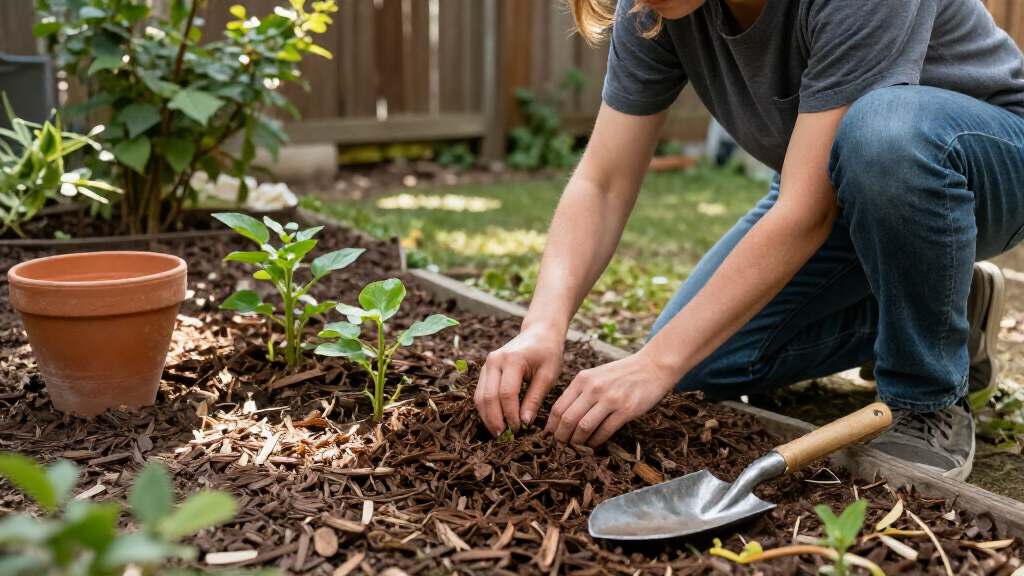
The guide defines mulching as placing a layer of organic material on soil in garden beds, borders or containers. It says a covering can act as insulation against frost and help limit soil erosion and nutrient loss during heavy rain. Landscape gardener Carl Jones of CJ Landscapes says organic mulch can protect plant roots and reduce erosion. The report also points to evergreen shrubs and groundcover as living ground cover that can stabilise soil and suppress weeds.
For soil improvement, grow-your-own author Huw Richards recommends a mulch depth of 5–7 centimetres (2–3 inches). As organic materials break down, they add organic matter and feed organisms including worms and fungi, according to Richards. The report says regular mulching can also improve soil structure and reduce the need to dig, although the pace and extent of any change will depend on the garden and materials used.
The remaining benefits cited are keeping soil cooler and wetter in hot weather, potentially reducing how often plants need watering, and supporting wildlife. Green Feathers wildlife expert James Ewens says compost, leaf mould and bark chippings can support invertebrates that serve as food for birds, hedgehogs, frogs and toads. The guide cautions indirectly that mulch can also provide shelter for slugs and snails; it does not claim that mulching will prevent pest problems.
How Mulch Can Help Through the Seasons
The practical case in the report is that a single garden task may address several pressures at once: temperature swings, water loss, rain-driven erosion and declining soil quality. For gardeners, retaining moisture could reduce watering needs, while a layer over exposed soil may help protect roots during cold or wet spells. The guide says these benefits can apply across seasons, rather than only during winter.
Mulching may also support a less disruptive approach to gardening. If repeated applications build organic matter and improve soil structure over time, gardeners may have less need to turn or dig beds before planting. That is a potential long-term benefit, not a guaranteed outcome for every soil type or garden. The wildlife argument is similarly linked to conditions: organic matter can provide food and habitat for invertebrates, but the report offers no measured evidence quantifying changes in wildlife populations.
Products Worth Considering

Ring Battery Doorbell (2nd Gen) and Indoor Cam Plus Bundle, Matte Mocha and Black

Levoit Vital 100S-P Air Purifier for Home and Pets

Sony BRAVIA 5 85-Inch Mini LED 4K HDR Smart TV (K-85XR50)
As an affiliate, we earn on qualifying purchases.
A Seasonal Task, Not a Trial
The source is an Ideal Home gardening-advice article framed around preparing gardens for winter. Its advice draws on comments from gardening and wildlife specialists, including James Ewens, Huw Richards and Carl Jones. It is not a controlled experiment and does not compare specific mulch products or quantify effects on frost damage, water use, yields or biodiversity.
The report describes several materials, including compost, straw, leaves, grass clippings, leaf mould and bark chippings. Richards advises covering compost used for mulching with another material to protect it from winter weather. Those recommendations are presented as expert guidance in the article; the best choice may vary with the plants, soil and purpose.
“A layer of mulch acts like a blanket to protect the soil from frost.”
— James Ewens, wildlife expert at Green Feathers
Results Depend on Garden Conditions
The article does not specify a publication date or provide trial data to establish how much mulch reduces frost damage, watering or erosion. It also does not compare materials, explain how long benefits take to appear, or quantify effects on soil health and wildlife. Those outcomes may vary with the mulch used, its depth, the plants and local weather.
The guide notes that mulch can offer slugs and snails shelter, while also describing those animals as food for some wildlife. It does not establish whether that balance will hold in every garden or advise on managing a serious pest problem. Its recommendations should be read as general gardening guidance, not a guarantee of particular results.
What Gardeners Can Do Now
The report encourages gardeners to add mulching to their seasonal garden jobs, especially where soil is exposed or plants may need protection from winter conditions. Its specific guidance is to aim for 5–7 centimetres of mulch and, when using compost for winter coverage, protect it with straw, leaves or grass clippings. Gardeners should choose materials with their plants and purpose in mind.
No follow-up study or further development is announced in the source. The practical next step is to observe how the chosen material performs in the garden through wet, cold or hot conditions; the article provides no timetable for assessing results.
Key Questions
What is mulching?
Mulching means applying a layer of material over soil in beds, borders or containers. The report discusses organic options such as compost, leaves, leaf mould, straw and bark chippings.
How deep should mulch be?
Huw Richards advises a depth of 5–7 centimetres (2–3 inches). The source does not give separate depths for different materials or plants.
Can mulch protect plants from frost and heavy rain?
The experts quoted by Ideal Home say mulch can insulate soil against frost and help protect roots and reduce erosion during heavy rain. The report does not quantify the protection or guarantee that plants will avoid weather damage.
Does mulch attract slugs?
Mulch can provide shelter for slugs and snails, according to the report. Ewens also says these animals are food for some wildlife, but the article does not claim mulch will control slug numbers in every garden.
Does mulching mean I will need to water less?
The guide says mulch can help soil retain moisture, which may reduce how often plants need watering in hot weather. The amount saved will depend on conditions, and the source provides no measured water-use figures.
Source: idealhome.co.uk