TL;DR

Get cleaning gear delivered free with Prime
- Fast, free delivery on millions of items
- Prime Video, Amazon Music and more included
- Member-only deals all year
For most hardwood floors, Bona Hardwood Floor Cleaner is safer because it uses controlled water-based cleaning, while steam mops risk damage from heat and moisture. Always follow manufacturer guidance and test first to avoid costly repairs.
Picture this: you’re tired of streaks, footprints, and sticky spots on your hardwood, and you reach for a steam mop, thinking it’s a quick fix. But is that really safe? Or is a simple water-based cleaner like Bona a smarter choice? It’s not just about cleaning power — it’s about protecting your investment.
In this guide, you’ll discover how each method works, what risks they carry, and which one fits your floor type best. Whether you’re a busy homeowner or a cautious DIYer, knowing the details can save you time, money, and a costly floor repair.
Most hardwood warranties restrict steam cleaning due to moisture and heat risks.
Bona Hardwood Floor Cleaner is safer for sealed or finished floors, especially engineered wood.
Steam mops can quickly loosen grime but risk damaging the finish or adhesives over time.
Always check your flooring’s manufacturer instructions before choosing a cleaning method.
Routine maintenance with Bona can help extend your floor’s lifespan and keep it looking new.
What’s the real difference between a steam mop and Bona Hardwood Floor Cleaner?
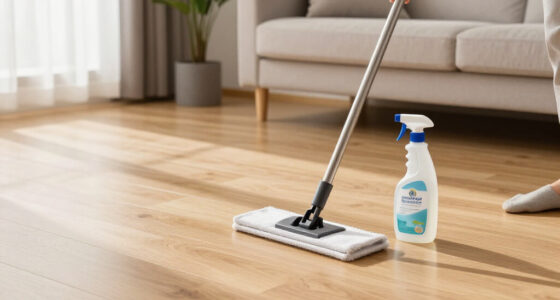
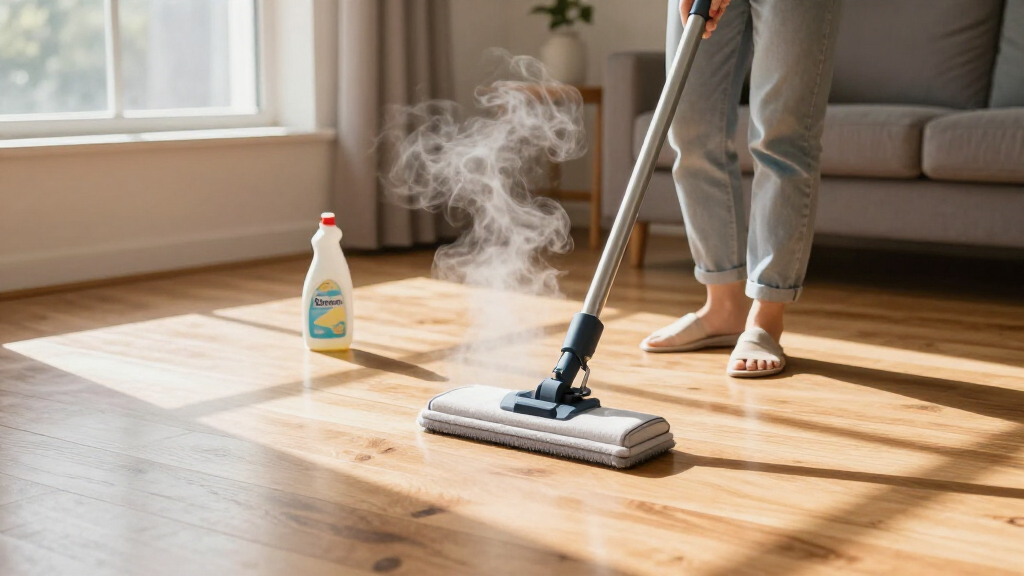
Steam mops use heat and moisture to loosen dirt. They spray hot vapor, which feels like a gentle steam bath for your floor. Bona, on the other hand, is a water-based cleaner designed to be sprayed lightly and wiped away with a microfiber pad.
Imagine wiping a greasy countertop — you want just enough cleaner, not a flood. That’s what Bona provides. Steam mops deliver intense heat, which can be too much for delicate finishes or seams in your hardwood.
Here’s the key: Steam mops clean with heat and moisture, Bona cleans with controlled liquid application. The difference is in how much risk each method poses to your floor’s finish and structure.
As an affiliate, we earn on qualifying purchases.
Why does heat and moisture from a steam mop threaten hardwood floors?
Wood is a natural material that constantly responds to its environment by expanding and contracting based on moisture levels. When you expose hardwood to high heat and moisture from a steam mop, it can cause uneven expansion or contraction. This can lead to cupping, where the edges of the planks rise, or warping, which distorts the floor’s flatness. Additionally, moisture can seep into tiny cracks or seams, weakening adhesives and causing layers to separate over time. For instance, a homeowner in a recent case saw their floor develop cloudy patches after using a steam mop on worn areas, illustrating how heat can accelerate deterioration.
The risk isn’t just immediate damage; it can compromise the structural integrity of your flooring, leading to costly repairs. The implications are significant because hardwood floors are a long-term investment, and damage from heat and moisture can reduce their lifespan. Remember: Even sealed floors aren’t immune to the risks of excessive heat and moisture, especially if the sealant isn’t perfectly intact or if there are existing vulnerabilities.
As an affiliate, we earn on qualifying purchases.
How does Bona Hardwood Floor Cleaner keep your floors safe?
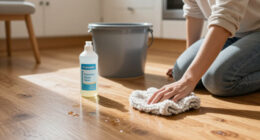
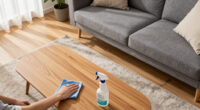
Bona is formulated to be safe for sealed, finished wood floors. It’s a water-based cleaner that you spray in a light mist and wipe with a microfiber pad. Think of it as a gentle rinse for your floor that doesn’t flood or bake the wood.
Unlike steam, Bona’s method keeps moisture levels low, preventing the swelling or warping that high heat can cause. Its surfactants lift dirt and grime from the surface without penetrating deeply or weakening the finish. This controlled approach minimizes the risk of moisture-related issues, which is why many flooring brands approve Bona for regular maintenance. For example, a homeowner with a finished oak floor reports that Bona keeps her floors shining without any warping or cloudiness — unlike her previous experience with steam mops.
Bottom line: Bona’s controlled, low-moisture approach aligns with best practices for hardwood care, helping preserve the floor’s appearance and structural integrity over time.
As an affiliate, we earn on qualifying purchases.
Frequently Asked Questions
Can I use a steam mop on sealed hardwood floors?
Not necessarily. Sealed floors aren’t automatically steam-safe. Check your manufacturer’s instructions first. If they approve, use the lowest steam setting and keep the mop moving to avoid moisture buildup. Even then, consider the age and condition of your floor, as older or worn finishes may be more vulnerable to heat damage. The tradeoff is between convenience and potential long-term harm — if your floor has any cracks or signs of wear, a steam mop could accelerate deterioration rather than clean it effectively.
Is Bona safe for all hardwood floors?
Primarily, Bona is safe for sealed, finished floors. If your floor is waxed, oiled, or unfinished, you should use a product specifically approved for that surface. Using Bona on incompatible surfaces might cause dullness or damage the finish over time. Always verify with your flooring provider or manufacturer to ensure compatibility, as using the wrong cleaner can void warranties or lead to costly refinishing. When used correctly on suitable surfaces, Bona provides a gentle, effective clean that preserves the floor’s appearance and longevity.
Does a steam mop disinfect hardwood floors?
Steam may kill some microbes if it reaches the right temperature and contact time, but it’s not a reliable disinfectant for hardwood. The high heat can reduce bacteria and viruses on the surface, but it doesn’t guarantee thorough disinfection, especially if the steam doesn’t contact every area uniformly. For thorough sanitation, especially in households with health concerns, consider using approved disinfectants compatible with your floor type. The tradeoff is between convenience and true disinfection — relying solely on steam might leave some microbes behind, which could be risky in certain environments.
Will Bona leave a sticky film?
If you spray too much or use incompatible products, Bona can leave a residue or sticky film. The key is to use a light spray, ensuring the microfiber pad is clean and slightly damp, not soaked. Also, avoid mixing Bona with other cleaning agents unless approved, as this can cause streaks or buildup. Proper application and regular pad cleaning help maintain a streak-free, residue-free finish, prolonging the floor’s appearance and preventing dullness or stickiness that can attract more dirt.
How often should I clean my hardwood floors?
Regular dusting and vacuuming prevent abrasive dirt from scratching the finish. Light cleaning with Bona or a similar water-based cleaner can be done weekly or as needed, depending on foot traffic. Spot cleaning spills promptly prevents staining and moisture damage. Over-cleaning or excessive moisture can harm the finish or promote mold, so balance is key. Understanding your floor’s specific needs and manufacturer recommendations ensures you maintain its beauty and structural integrity over time.
As an affiliate, we earn on qualifying purchases.
Conclusion
Choosing between a steam mop and Bona hardwood floor cleaner boils down to safety and the type of finish on your floors. When in doubt, stick with a water-based cleaner approved by your flooring manufacturer. It’s gentler, safer, and often more effective for day-to-day upkeep.
Imagine your floors shining, free of streaks and worries. A simple, cautious approach keeps your beautiful hardwood looking its best — and your wallet intact. Your floors deserve the right care, so choose wisely and enjoy the lasting beauty of your home.
Halloween Picks
halloween
As an affiliate, we earn on qualifying purchases.