TL;DR

Get cleaning gear delivered free with Prime
- Fast, free delivery on millions of items
- Prime Video, Amazon Music and more included
- Member-only deals all year
Use soft pads for routine cleaning and delicate surfaces. Reserve scrub pads for stubborn dirt and textured floors. Proper pad choice protects your floor’s finish and prolongs its life.
Imagine tackling a routine clean and accidentally dulling your floor’s shine or scratching a delicate surface. It happens more often than you think, usually because the wrong pad was used. Choosing the right pad isn’t about fancy brands or colors; it’s about understanding your floor’s needs and respecting its finish.
In this guide, you’ll learn how to match scrub pads and soft pads to different flooring types. Plus, practical tips on testing and avoiding common mistakes. Your floors deserve gentle handling, and picking the correct pad is the first step toward lasting beauty and durability.
Match your pad to your floor’s finish and soil level—don’t just grab the stiffest pad available.
Always test a small, hidden area before committing to a full cleaning session.
Avoid overly aggressive pads on delicate surfaces like hardwood, vinyl, or sealed stone.
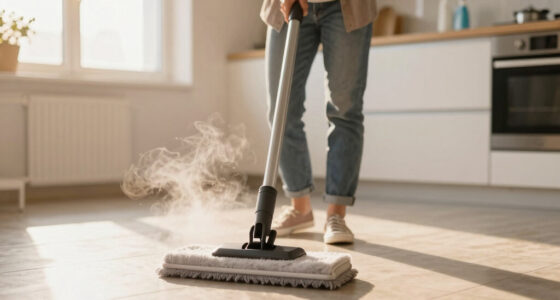
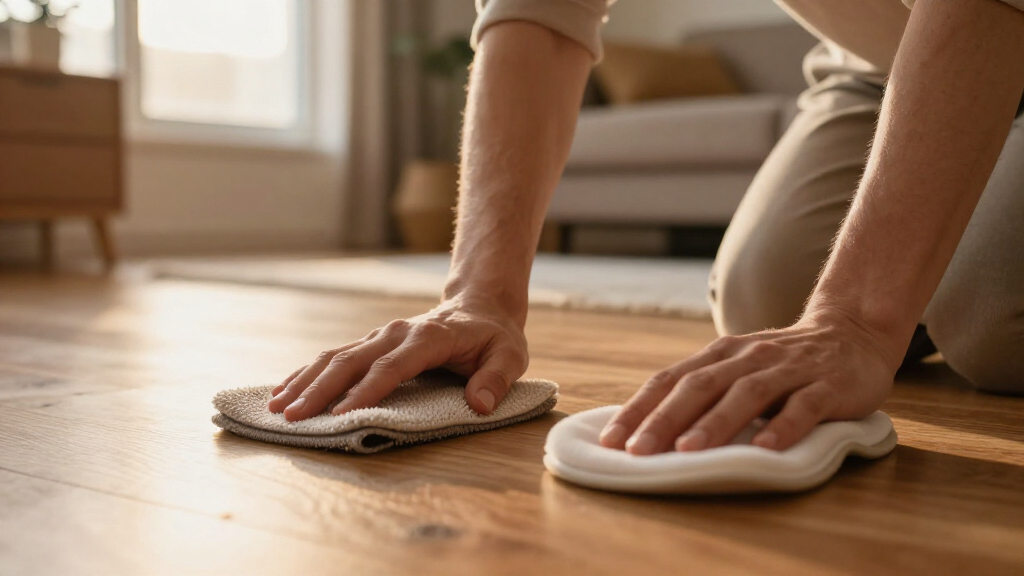
Use a soft microfiber pad for daily dusting, polishing, and light cleaning.
Reserve scrub pads for stubborn, embedded dirt on durable, textured, or heavily soiled floors.
Scrub Pads vs Soft Pads: Which for Which Floor
Cleaning power is only useful when it respects the surface beneath it. Match pad aggressiveness to the floor’s finish and the soil level to remove dirt without sacrificing gloss, coatings, or long-term durability.
Increase abrasion only when a softer pad cannot remove confirmed soil.
Best for dust, light spills, polishing, and scratch-sensitive finishes.
Reserve abrasive pads for embedded grime, grout, and durable textured floors.
Gentle maintenance or controlled abrasion?
Pad choice is a tradeoff between cleaning speed and surface preservation. A pad that removes grime quickly can also remove gloss, sealer, or finish.
The everyday helper
Fine fibers, microfiber, sponge, or polishing material lift light soil and maintain shine with a lower scratching risk.
- Daily dusting and damp mopping
- Light dirt, spills, and polishing
- Hardwood, laminate, vinyl, cork, and polished stone
- Any surface with unknown abrasion tolerance
The targeted problem solver
Coarser fibers act like tiny abrasives, cutting through embedded soil, grease, scuffs, buildup, and certain old finishes.
- Grout and textured tile
- Grease or heavy-traffic buildup
- Durable commercial surfaces
- Finish removal only with a designated stripping system
Choose by finish, not appearance alone
A dirty-looking patch may be soil, but it may also be wear, etching, sun damage, or coating failure. More abrasion cannot repair a damaged finish.
| Floor type | Recommended pad | Key precaution |
|---|---|---|
| Ceramic or porcelain tile | Mixed use Soft for routine care; non-scratch scrub for grout |
Highly abrasive pads can scratch glazed tile. |
| Marble, limestone, or travertine | Soft only Microfiber or stone-approved polishing pad |
Avoid harsh abrasion and acidic cleaners; both may etch or dull stone. |
| Granite | Gentle first Soft pad; stone-safe non-scratch pad if needed |
Sealers and polished finishes can still be damaged. |
| Luxury vinyl or vinyl plank | Soft only Microfiber or manufacturer-approved pad |
Abrasives can wear the protective layer and create dull patches. |
| Finished hardwood | Soft only Soft microfiber with minimal moisture |
Avoid abrasive pads, excess water, and unapproved steam. |
| Laminate | Soft only Lightly damp microfiber |
Abrasion can dull the wear layer; keep water away from seams. |
| Sealed concrete | Test first Soft or approved medium-duty pad |
An aggressive pad may remove sealer or alter the sheen. |
| Unsealed concrete | Scrub suitable Medium- or heavy-duty scrub pad |
Porosity and surface dust may require specialized cleaning. |
| Epoxy or resin flooring | Approved pads Soft or manufacturer-approved scrub pad |
Heavy abrasion can dull glossy coatings. |
| Rubber, cork, or terrazzo | Special care Soft pad for maintenance |
Follow the floor maker’s system before using stronger pads. |
| Carpet | Different system Carpet-specific bonnet or extraction pad |
Hard-floor scrub pads can damage carpet fibers. |
Every step upward increases finish risk
Commercial pads are grouped by function. Color may offer a clue—white is often mild and black aggressive—but systems vary by manufacturer.
Pad color is not a universal standard
Never choose solely by color. Check the product label, pad function, machine compatibility, floor manufacturer guidance, and approved cleaning chemistry.
Five steps before the full clean
A small closet corner can reveal scratching, haze, coating loss, or gloss change before the same damage spreads across the room.
Remove loose grit
Vacuum or sweep thoroughly so trapped particles cannot scratch the floor.
Choose a hidden spot
Use a closet corner, area behind furniture, or another inconspicuous patch.
Use light pressure
Apply a small amount of approved water or cleaner without forcing the pad.
Let the area dry
Wet surfaces can temporarily hide haze, scratches, and gloss loss.
Inspect and decide
If the finish looks dull, hazy, or scratched, stop and switch to a softer pad.
No scratching + no haze + no gloss change = proceed carefully.
Common mistakes that shorten floor life
The most expensive cleaning errors often begin with a shortcut: skipping grit removal, adding pressure, or assuming all pads with the same color behave alike.
Assuming all pads are the same
Read the abrasiveness, intended task, and approved surface information on the label.
Using a kitchen scrubber
Household dish scrubbers may be far too rough for coated or polished flooring.
Scrubbing over grit
Loose sand becomes an abrasive trapped beneath even a relatively soft pad.
Applying extra pressure
Pressure increases friction, wear, heat, and the chance of uneven dull patches.
Treating damage as dirt
Etching, worn finish, and discoloration will not disappear with harder scrubbing.
Using too much moisture
Wood, laminate, cork, and resilient floors benefit from controlled low-moisture care.
From floor diagnosis to lasting protection
Smart pad selection connects four decisions. Skipping any link increases the risk of incomplete cleaning or permanent finish damage.
Know whether the visible layer is wood finish, vinyl wear layer, stone polish, sealer, or coating.
Separate removable dirt from wear, etching, sun damage, and coating failure.
Escalate only when the floor tolerates it and gentler cleaning has not worked.
Preserved coatings mean better appearance, easier maintenance, and longer floor life.
What’s the real difference between scrub pads and soft pads?
Scrub pads are like tiny sandpapers—coarser, more abrasive, and built to tackle stubborn, embedded dirt. They contain fibers or materials that can scrape away grease, scuffs, or old finish. Soft pads, on the other hand, are gentle. Made of microfiber, sponge, or polishing compounds, they clean light soil and maintain shine without scratching.
Think of scrub pads as your heavy-duty tool for tough jobs, and soft pads as your everyday helpers for routine care. For example, if you see a thick layer of grime on ceramic tile, a scrub pad can cut through it—if used carefully. But if you’re just wiping down a sealed hardwood floor, a soft microfiber is safer and more effective.
Color codes often hint at abrasiveness—white usually mild, black more aggressive—but these vary by brand. Always check the label rather than rely on color alone.
Understanding these differences matters because choosing the wrong pad can lead to unintended damage. A scrub pad on a delicate surface can scratch or dull the finish, while a soft pad on a heavily soiled, textured surface may not clean effectively. Knowing when to use each type helps balance cleaning power with surface preservation, ensuring longevity and avoiding costly repairs.
As an affiliate, we earn on qualifying purchases.
Choose the right pad for your flooring: a quick comparison
| Floor Type | Recommended Pad | Precautions |
|---|---|---|
| Ceramic or porcelain tile | Soft pad for routine; non-scratch scrub for grout | Glazed tile can scratch with abrasive pads |
| Natural stone (marble, limestone) | Soft microfiber; stone-safe polishing | Avoid acids and harsh abrasives |
| Granite | Soft pad; non-scratch when needed | Sealers and finishes may dull |
| Luxury vinyl or vinyl plank | Microfiber or manufacturer-approved pad | Abrasives can dull protective layers |
| Hardwood and laminate | Soft microfiber; minimal moisture | Abrasive or overly wet pads risk damage |
Choosing the correct pad for your flooring isn’t just about surface compatibility; it’s about understanding the tradeoffs. Using an overly abrasive pad on delicate surfaces can cause scratches or dullness, reducing the floor’s visual appeal and potentially necessitating costly refinishing. Conversely, a pad that’s too gentle might not remove stubborn dirt effectively, leading to incomplete cleaning and buildup over time. Recognizing these nuances helps you strike a balance—cleaning thoroughly without compromising your floor’s integrity or finish.
floor scrub pads for stubborn dirt
As an affiliate, we earn on qualifying purchases.
As an affiliate, we earn on qualifying purchases.
When to reach for a soft pad and when to grab a scrub pad
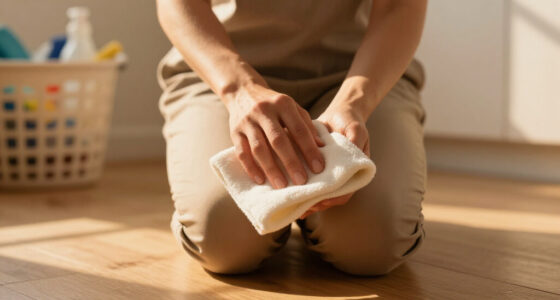
Using a soft pad for everyday dusting, light spills, and polishing keeps floors shiny and scratch-free. For example, a quick damp wipe with a microfiber keeps hardwood gleaming without risking damage.
A scrub pad is your go-to for embedded soil, greasy buildup, or textured surfaces like rough tile. Imagine cleaning a busy kitchen floor after a dinner party—grime that won’t budge with gentle wiping needs a more aggressive approach.
Understanding the implications of each choice is crucial. Using a soft pad on heavily soiled or textured surfaces may leave dirt behind, leading to quicker re-soiling or damage from repeated scrubbing. Conversely, employing a scrub pad on delicate surfaces can cause scratches or dullness, diminishing the floor’s appearance and lifespan. Therefore, matching the pad type not only affects the cleanliness but also impacts the long-term condition of your floors, making it essential to assess soil level and surface sensitivity carefully.
As an affiliate, we earn on qualifying purchases.
Why pad aggressiveness can make or break your floor’s look
Choosing the wrong level of abrasiveness can cause permanent damage. A medium or aggressive scrub pad might remove tough stains, but it can also dull the glossy finish or scratch softer surfaces like vinyl or hardwood. That’s why understanding pad classification is key.
Commercial pads range from polishing (very mild) to stripping (highly aggressive). For example, using a stripping pad on your living room hardwood can strip away the finish, leaving it vulnerable to damage and dullness.
Understanding the tradeoffs is vital because an overly aggressive pad might seem effective at first, but it can cause irreversible harm—dulling the shine, scratching the surface, or removing protective coatings. Conversely, an excessively gentle pad might not do enough to clean, leading to buildup, staining, and the need for more frequent or harsher cleaning methods. Recognizing these tradeoffs helps you choose a pad that balances cleaning efficacy with surface preservation, ensuring your floors remain beautiful and intact over time.
As an affiliate, we earn on qualifying purchases.
How to test your pad before committing to a full clean
Before tackling your entire floor, test the pad in a hidden spot. Remove loose grit first—vacuum or sweep thoroughly. Use gentle pressure and a small amount of water or cleaner, then observe.
Check for scratches, haze, or gloss loss after drying. If the finish looks dull or scratchy, switch to a softer pad. For example, a tiny patch on a closet corner can reveal if your pad is too abrasive or safe to use.
This step is crucial because it allows you to assess how your pad interacts with your specific flooring finish. A pad that seems gentle in theory might still cause damage depending on surface condition, existing coatings, or dirt embeddedness. Testing minimizes the risk of costly damage, preserves the floor’s appearance, and helps you select the most appropriate pad for the job, ultimately extending your floor’s lifespan.
Common mistakes and how to avoid them
- Assuming all pads are the same—always check the label.
- Using a kitchen scrub pad on your floor—too rough and risky.
- Scrubbing without vacuuming grit—causes scratches.
- Applying too much pressure—wears down finishes faster.
- Using an aggressive pad on delicate surfaces—dull or scratch.
For example, many people grab a heavy-duty scrub pad for a quick wipe, only to find their once-glossy hardwood now dull and scratched. Avoid this by understanding the differences in pad abrasiveness, testing in hidden areas, and always matching the pad to the surface’s needs. Recognizing these common pitfalls and taking precautions ensures your floors stay pristine and undamaged over time.
Latest trends: better pads, smarter cleaning
Microfiber systems are now standard because they trap fine dirt with less water and chemical use. Low-moisture cleaning is especially good for wood, laminate, and resilient floors, reducing drying time and minimizing damage.
Diamond-impregnated pads are gaining popularity for restoring polished concrete and stone, offering a controlled, gentle way to bring back shine. Eco-friendly, recycled pads are also hitting the market, aligning with sustainable practices.
Using manufacturer-approved pads and following specific protocols is becoming the norm, reducing accidental damage and preserving warranties.
These innovations matter because they reflect a shift toward more sustainable, efficient, and surface-friendly cleaning methods. They allow homeowners and professionals to achieve better results with less risk, ultimately prolonging the life and beauty of floors while reducing environmental impact.
Frequently Asked Questions
Will a scrub pad scratch my floor?
It can. The risk depends on the pad’s abrasiveness, the soil trapped beneath, the floor’s finish, and how much pressure you apply. Always test first and use the gentlest effective pad.
Can I use a green scrub pad on vinyl plank?
Probably not unless the manufacturer specifically approves it. Many green pads are too abrasive for vinyl’s delicate wear layer and can cause permanent dull spots.
What pad is safest for hardwood?
A clean, soft microfiber pad used with minimal moisture and approved wood-floor cleaner is safest for hardwood surfaces. Avoid abrasive or overly wet pads.
Can I scrub ceramic tile?
Yes, but use a non-scratch pad on glazed tile to avoid scratching. For grout lines or stubborn stains, a slightly more abrasive pad can work if tested carefully first.
What should I use on marble?
Opt for a soft microfiber or stone-safe polishing pad combined with a pH-neutral cleaner. Avoid acids or harsh abrasives that can etch the surface.
Conclusion
Choosing the right pad isn’t just about cleaning—it’s about protecting your investment. A gentle touch with the proper pad can keep your floors looking new for years. Remember, when in doubt, test first and always prioritize gentle cleaning over harsh scrubbing.
Think of your floors as a canvas—gentle strokes preserve their beauty. Pick your pad wisely, and your floors will thank you with lasting shine and resilience.
Fall Picks
fall essentials
As an affiliate, we earn on qualifying purchases.