TL;DR

Get cleaning gear delivered free — and shop member deals
- Fast, free delivery on millions of items
- Access to Prime Big Deal Days deals on October 6–7
- Prime Video, Amazon Music and more included
Building a weekly floor cleaning routine starts with understanding your floor type and setting a fixed schedule. Consistency, the right tools, and involving your household make it easier to stick. Recent trends like eco-friendly products and robotic cleaners can help maintain floors with less effort.
Think about the last time your floors really looked spotless. Now, imagine if cleaning became a predictable, manageable part of your week—no stress, no last-minute scrambles. The trick isn’t just about cleaning more often; it’s about building a routine that sticks. When you set a specific day and follow a simple plan, floor cleaning becomes less of a chore and more of a habit.
In this guide, you’ll learn how to craft a practical weekly routine tailored to your floor type and household life. We’ll cover choosing the right tools, involving your family, and the latest trends that make maintenance easier. Ready to make clean floors a regular thing? Let’s get started.
Understand your specific floor type and choose compatible cleaning tools and products.
Set a fixed weekly schedule to turn cleaning into a habit, not a chore.
Involve household members to share the workload and build consistency.
Use a simple, step-by-step process: sweep/vacuum, mop, spot clean, dry.
Leverage technology like robotic cleaners to maintain floors effortlessly.
How to Build a Weekly Floor Cleaning Routine That Sticks
Clean floors become easier when the work is predictable. Match the method to your floor, anchor it to a fixed time, keep the steps short, and share the load. The goal is not a perfect home—it is a repeatable system.
One routine, different rules
Floor materials react differently to moisture, chemicals, and abrasion. A compatible tool-and-product pair protects the finish while removing enough dirt to make the weekly effort worthwhile.
Hardwood
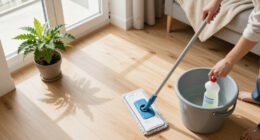
Vacuum grit first, then use a barely damp microfiber mop. Excess water can enter seams and contribute to swelling or warping.
Best match · pH-neutral cleanerTile & Vinyl
Use a soft mop with mild detergent. Pay extra attention to textured areas and grout where fine dirt tends to collect.
Best match · biodegradable cleanerLaminate
Remove debris with a vacuum or microfiber cloth. Avoid soaking the boards and dry any moisture left near the joints.
Best match · laminate-safe formulaChoose care, not damage
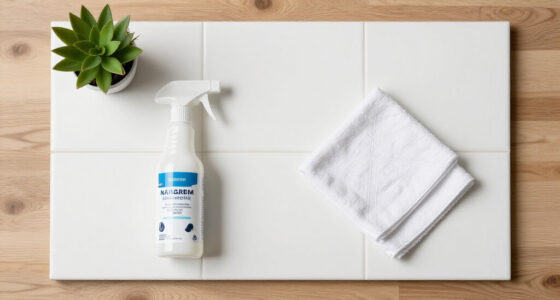
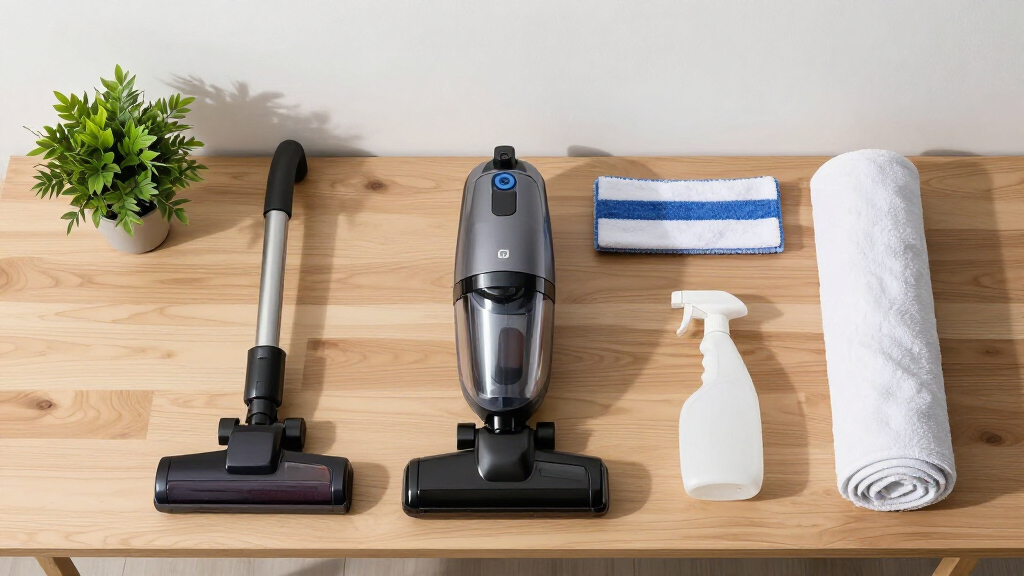
Organize a small floor-care kit and keep it within reach. When every item has a clear purpose, setup takes seconds and the risk of reaching for an unsuitable product drops.
| Floor type | Recommended tools | Best product | Avoid |
|---|---|---|---|
| HardwoodFinished wood planks | ✓Microfiber mop + vacuum | ✓pH-neutral cleaner | ✗Standing water or harsh chemicals |
| Tile / VinylSealed resilient surfaces | ✓Soft mop + gentle brush | ✓Mild biodegradable detergent | ~Abrasives and slippery residue |
| LaminateLayered floating boards | ✓Microfiber cloth + vacuum | ✓Gentle laminate-safe cleaner | ✗Steam and excess moisture |
| CarpetTextile floor covering | ✓HEPA-filter vacuum | ~Material-safe spot treatment | ✗Over-wetting or hard scrubbing |
Four moves. Same order. Every week.
Repeating a short sequence reduces decision fatigue. Always remove loose debris before adding moisture, then target stains and finish by removing excess water.
Sweep or vacuum
Lift grit, hair, crumbs, and dust before they become embedded or scratch the finish.
Damp mop
Use the least moisture your surface needs and work from the far corner toward the exit.
Spot clean
Treat sticky patches with a compatible product before stains have time to set.
Dry & reset
Remove excess moisture, return furniture, rinse tools, and restock the cleaning kit.
Design around real life
A routine sticks when the time, effort, and household roles are visible. Start with a fixed weekly anchor, then add only the maintenance your traffic level genuinely requires.
Scale effort to traffic
Use one weekly clean as the baseline. Add short maintenance passes where pets, children, outdoor shoes, or entertaining create faster buildup.
Remove the friction
Turn intention into an automatic loop
Each part supports the next: a visible cue starts the routine, shared roles shorten it, and a quick review keeps the system useful when household life changes.
Protect the material
Match water, cleaner, and tool choice to the floor rather than relying on one aggressive solution.
Use smart support
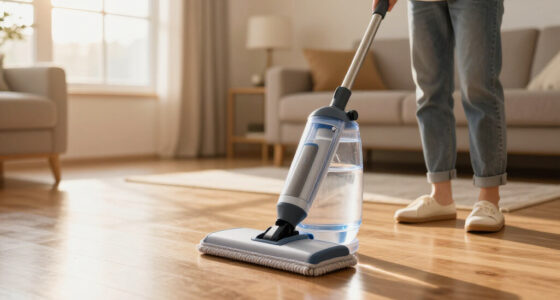
Robotic vacuums and mops can handle routine upkeep, while manual cleaning tackles edges and stubborn spots.
Stay flexible
Add a pass after gatherings, during muddy weather, or when pets shed—then return to the baseline schedule.
Know Your Floor: Why Different Floors Need Different Care
Every floor type has its quirks. Hardwood, laminate, tile, vinyl—each demands a tailored approach. For example, hardwood floors love pH-neutral cleaners and hate excess water, which can cause warping. Tile floors handle mild detergents but can get slippery if you use harsh chemicals.
Understanding these differences isn’t just about avoiding damage; it’s about optimizing your cleaning process for durability and appearance. Using the wrong cleaner on hardwood, for instance, can strip the finish or cause warping over time, leading to costly repairs. Conversely, overly gentle cleaning on tile or vinyl might leave dirt behind, reducing their lifespan and aesthetic appeal. Recognizing these tradeoffs helps you choose products that balance safety and effectiveness, ensuring your floors stay beautiful and functional longer. It also means you can avoid unnecessary cleaning steps or products, saving time and money, while reducing the risk of accidental damage.
As an affiliate, we earn on qualifying purchases.
Set a Routine: How to Pick the Perfect Day and Time
Pick a day that naturally fits your weekly rhythm—Sunday mornings, Saturday evenings, or midweek evenings. Consistency is key. When you assign a specific time, it becomes a habit, just like brushing your teeth.
Establishing a fixed schedule isn’t just about routine; it’s about creating a mental cue that triggers your cleaning behavior. This reduces decision fatigue—you’re less likely to skip cleaning because it’s already integrated into your weekly schedule. For example, Sarah, a busy mom, found that Thursday evenings work best after her kids are in bed. Now, she automatically pulls out her mop and vacuum, and cleaning feels less like a chore and more like a routine. Over time, this consistency reinforces the habit, making cleaning feel less burdensome and more like a normal part of her week. The key is to pick a time that aligns with your energy levels and household flow, ensuring you’re more likely to follow through regularly.
As an affiliate, we earn on qualifying purchases.
Tools and Products: What You Need for Different Floors
Using the right tools makes all the difference. For hardwood and laminate, a microfiber mop paired with a pH-neutral cleaner works wonders because it cleans effectively without damaging delicate surfaces or stripping finishes. Tile and vinyl floors benefit from a gentle detergent and a soft-bristled brush or mop, which remove dirt without scratching or dulling the surface.
Choosing the right tools and products isn’t just about cleaning; it’s about preserving the integrity of your floors. For example, using a harsh chemical on hardwood can cause peeling or discoloration, while using too much water can lead to warping. Conversely, a subpar tool or inappropriate cleaner on tile might leave residues or cause scratches, shortening the floor’s lifespan. Here’s a quick comparison:
| Floor Type | Recommended Tools | Best Products |
|---|---|---|
| Hardwood | Microfiber mop, vacuum | pH-neutral cleaner, distilled water |
| Tile/Vinyl | Soft mop, mild detergent | Biodegradable floor cleaner |
| Laminate | Microfiber cloth, vacuum | Gentle, laminate-safe cleaner |
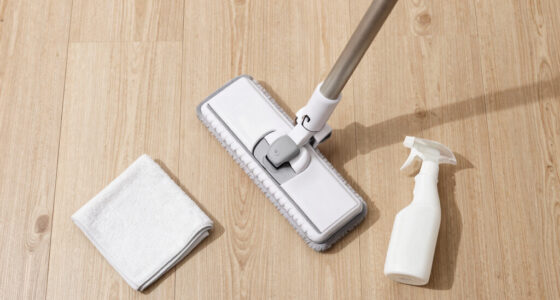
Keeping supplies organized and within reach ensures you can perform quick, effective cleanings without hunting for tools or products, encouraging consistency and saving time in your routine.
As an affiliate, we earn on qualifying purchases.
Step-by-Step: Your Simple Weekly Cleaning Game Plan
- Start with a quick sweep or vacuum—this lifts dirt and prevents scratches, especially on textured surfaces. Skipping this step can embed dirt into the floor, making it harder to clean thoroughly later and potentially damaging the finish over time.
- Follow with a damp microfiber mop for a thorough clean. This method picks up fine dust and dirt particles that sweeping might miss, especially in corners or textured areas, ensuring a deeper clean.
- Spot clean any stubborn stains or sticky spots with appropriate cleaners. Addressing stains promptly prevents them from setting in, which could require more aggressive cleaning or even refinishing later.
- Dry the floor with a clean cloth or towel for a streak-free finish. Removing excess moisture prevents water spots, streaks, and potential water damage, especially on hardwood or laminate surfaces.
Imagine doing this in 15 minutes on a Sunday morning. Once it becomes routine, it’s almost automatic—like brewing your coffee. The key is to keep each step simple and quick, so that it doesn’t feel like a burden but rather a seamless part of your weekly schedule.
As an affiliate, we earn on qualifying purchases.
Make It a Family Affair: How to Get Everyone on Board
Involving household members spreads the workload and builds shared responsibility. Assign simple tasks—vacuuming, wiping, or organizing supplies. Turn it into a team effort that feels more like a shared goal than a chore.
For example, you might ask your teenager to vacuum the living room while you focus on the kitchen. When everyone pitches in, the routine feels less burdensome and more like a team project. This shared responsibility not only reduces your individual workload but also helps instill good cleaning habits in children, teaching them the importance of maintaining a clean home. When everyone knows their role, the routine becomes more consistent and less stressful, turning what could be a chore into a collaborative effort that fosters a sense of pride and ownership in the household’s cleanliness.
Adjust and Improve: Keep Your Routine Fresh and Effective
Regularly evaluate your routine by observing the condition of your floors and your own convenience. Are floors staying cleaner longer? Is the schedule fitting into your weekly flow? Adjust as needed—adding an extra cleaning session after hosting a gathering or switching cleaning days if your schedule changes. Flexibility prevents burnout and keeps the routine sustainable. For example, a friend with a dog found that cleaning twice a week kept fur and mud at bay, preventing buildup and reducing allergen accumulation. Recognizing when your routine needs tweaking—whether increasing frequency or trying new products—ensures ongoing effectiveness. Continual assessment helps you identify inefficiencies or areas where you can save time or improve results, making the routine more resilient and aligned with your lifestyle.
Latest Trends Making Floor Cleaning Easier
Eco-friendly, non-toxic cleaners are gaining popularity because they’re safer for children, pets, and the environment. They often use biodegradable ingredients that reduce chemical exposure and pollution, making your routine healthier and more sustainable. Additionally, robotic vacuums and mops have become sophisticated enough to handle weekly maintenance with minimal supervision. These devices can navigate around furniture, avoid stairs, and adapt to different floor types, providing consistent cleaning without manual effort. Setting a robotic cleaner to run on a schedule—like every Tuesday evening—ensures your floors stay tidy with little intervention. This trend not only saves time but also aligns with a growing awareness of environmental impact and health, making routine cleaning more efficient and less stressful.
Frequently Asked Questions
How often should I clean my floors weekly?
Most households find that once a week works for regular maintenance. However, high-traffic areas or homes with pets may need cleaning two or more times weekly to stay fresh and free of allergens.What cleaning products are safest for my specific floor?
Use pH-neutral cleaners for hardwood, mild detergents for tile, and gentle, laminate-safe solutions for laminate floors. Always test a small hidden area first to prevent damage.How can I make my cleaning routine easier and more likely to stick?
Set a consistent day and time, keep supplies organized in one spot, and involve others in your household. Automating parts of the process, like with a robotic vacuum, also helps.Are robotic cleaners effective for weekly maintenance?
Yes, robotic vacuums and mops are excellent for routine upkeep, especially in high-traffic or pet-friendly homes. They keep floors tidy between deep cleans but might need manual intervention for stubborn stains.What are eco-friendly options for floor cleaning?
Vinegar solutions, baking soda, castile soap, and biodegradable commercial cleaners are natural choices. Always verify they are safe for your specific flooring surface.Conclusion
Building a weekly floor cleaning routine isn’t about perfection—it’s about creating a habit that feels natural. When you understand your floors, pick a consistent time, and involve others, cleaning becomes less of a hassle and more of a part of your week.
Think of it like watering a plant: a little effort regularly keeps everything vibrant and healthy. Why not start today and turn clean floors into a steady, easy routine?
Fall Picks
fall essentials
As an affiliate, we earn on qualifying purchases.