TL;DR
Listen free for 30 days with Audible
Thousands of audiobooks and originals — cancel anytime.
Start your free trialAs an affiliate, we earn on qualifying purchases.
Steam mops can clean tight spaces and around furniture if you use the right techniques. Focus on edge tools, gentle steam settings, and careful moisture control to avoid damage and get a thorough clean.
Imagine the frustration of cleaning your entire floor, only to leave behind a dusty line along the baseboard or miss grime tucked behind furniture. You want a spotless, sanitized home — but tight spots and low-clearance areas seem impossible to reach with a bulky steam mop. The good news: with a few simple tricks, you can master steam mopping around furniture and into those narrow cracks.
This guide shows you how to use your steam mop effectively in tight corners, under low furniture, behind appliances, and along baseboards. You’ll learn the best techniques, tools, and safety tips to keep your floors sparkling without risking damage or excess moisture buildup. Ready to become a cleaning pro in those tricky spots?
Use specialized attachments like crevice nozzles and triangular heads to reach tight spots and corners.
Tilt the mop at angles and use the push-pull technique to clean under low furniture efficiently.
Always adjust steam settings to low near wooden furniture and baseboards to prevent warping.
Utilize the detachable handheld steamer for behind toilets and narrow gaps, then wipe with a microfiber cloth.
Protect furniture with felt pads and avoid holding the mop in one spot to prevent moisture damage.
Choose the Right Tools for Narrow Spaces and Edges
Start with the right attachments. Many steam mops now come with detachable handheld units, crevice tools, or angled nozzles designed for tight spots. These are perfect for cleaning behind toilets, between appliances, or along baseboards where the standard head falls short.
For example, a slim, triangular head can pivot into corners better than a rectangular one. Using a microfiber brush or detail nozzle on your handheld steamer allows you to scrub grout lines, vents, and tight gaps effectively. Think of these tools as your secret weapons—lightweight, precise, and easy to maneuver.
Invest in accessories like felt pads or sliders for furniture. These allow you to gently shift lightweight tables or chairs to clean underneath, then slide them back without scratching or damaging the finish.
steam mop crevice nozzle attachment
As an affiliate, we earn on qualifying purchases.
As an affiliate, we earn on qualifying purchases.
Master the Art of Edge and Corner Cleaning
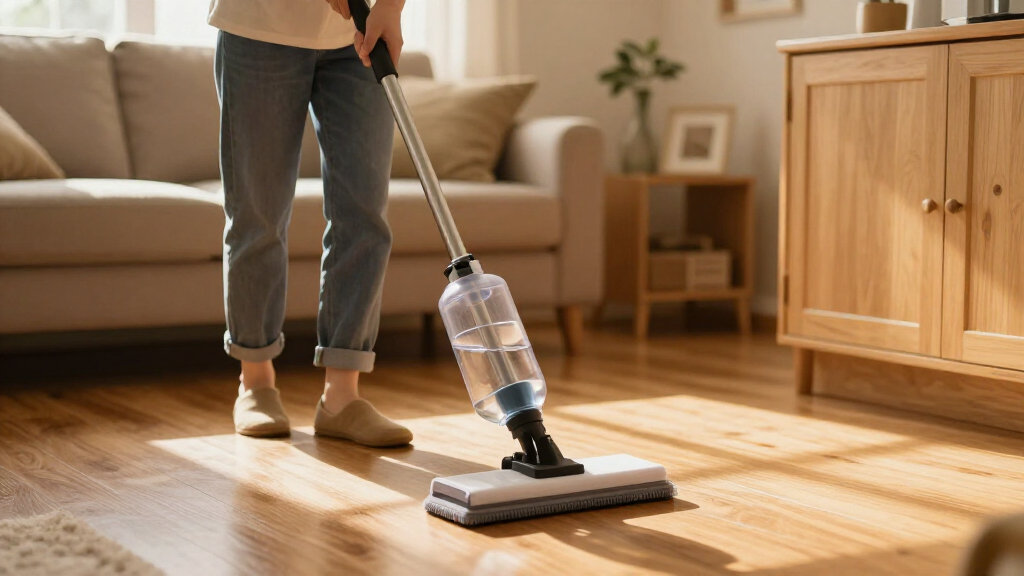
Using the edge or corner of your steam mop head is key. Instead of pushing the mop straight into a corner, tilt it slightly to run the edge along baseboards or into tight corners. This directs steam and microfiber directly where grime hides.
For example, when cleaning along the bottom of a cabinet, angle the mop head just enough to run the edge along the base without hitting the wall or damaging the finish. Swiveling or triangular heads are especially good for this because they pivot smoothly into tricky spots.
Work in a systematic pattern—start from the farthest corner and work your way out. This prevents you from stepping on freshly cleaned areas or leaving dirt behind.
Proper edge and corner cleaning matter because grime and bacteria tend to accumulate in these less accessible spots. Neglecting them can lead to bacterial buildup and uneven cleanliness, which defeats the purpose of a thorough clean. By focusing on these areas with precise techniques, you ensure every inch of your floor is sanitized and looking its best, avoiding the need for repeated cleaning or risking cross-contamination.
As an affiliate, we earn on qualifying purchases.
The Push-Pull Technique for Under-Furniture Cleaning
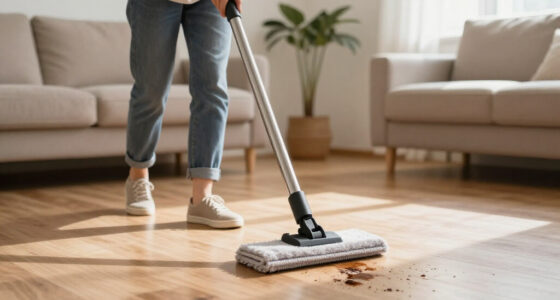
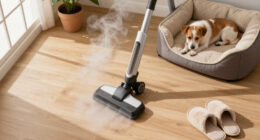
The push-pull method simplifies cleaning under low furniture. Push the mop head under the piece as far as possible, then pull it straight back. This action drags dirt and dust out instead of pushing it further underneath.
For instance, when cleaning under a sofa with only 4 inches of clearance, tilt the handle nearly horizontal, then slide the head underneath. When you pull it back, the microfiber pad picks up dust, hair, and grime—leaving the area fresh.
This technique prevents you from trapping dirt in hard-to-reach spots, reducing the need for scrubbing later. It also minimizes the risk of scratching delicate flooring surfaces, since you’re controlling the direction and pressure of the mop. By consistently applying this method, you avoid pushing debris into corners or deeper under furniture, which often leads to stubborn dirt buildup that’s harder to clean later. This approach ensures a more thorough and efficient clean, saving time and effort while maintaining your floors’ integrity.
handheld steam cleaner for tight spaces
As an affiliate, we earn on qualifying purchases.
As an affiliate, we earn on qualifying purchases.
Use the Right Settings to Prevent Damage and Excess Moisture
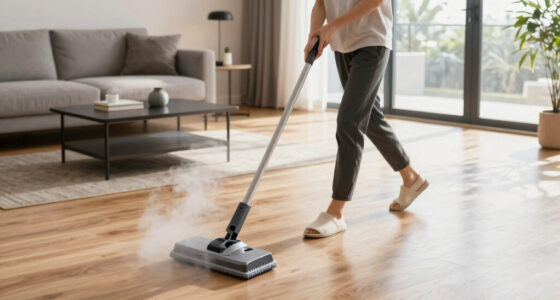
Adjust your steam mop to the lowest effective setting when working near wood, laminate, or furniture legs. Too much steam risks warping or loosening adhesives. Keep the mop moving—never hold it in one spot—so moisture doesn’t pool or cause swelling.
For example, near baseboards and delicate wood furniture, a gentle, continuous motion at low steam prevents over-saturation. Excess moisture can seep into seams, cause swelling, or promote mold growth if left unattended. The tradeoff here is between effective cleaning and the risk of surface damage; too little steam may leave grime behind, but too much can harm your surfaces. Finding the right balance—using low steam and brief, controlled passes—ensures a clean surface without compromising its integrity. Additionally, proper ventilation helps moisture evaporate quickly, reducing the chance of long-term damage or mold formation. Wiping with a dry cloth afterward helps remove residual water, further protecting your floors and furniture from moisture-related issues.
As an affiliate, we earn on qualifying purchases.
Cleaning Behind Toilets and in Narrow Gaps Without a Hassle
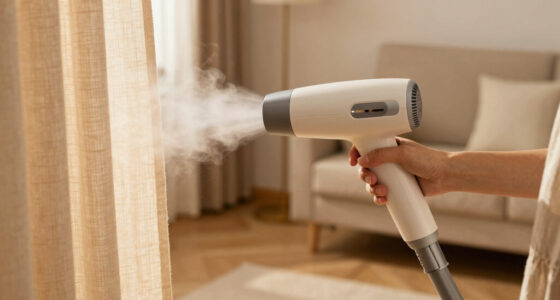
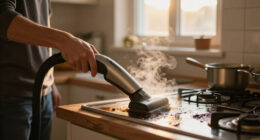
For spots your mop can’t reach—like behind toilets or between appliances—use the detachable handheld steamer with a crevice nozzle or small brush. These tools fit into tight corners and narrow gaps easily.
For example, a 2-inch gap between the fridge and counter can be cleaned by directing the handheld nozzle into the space, then wiping with a microfiber cloth dampened with hot water. This ensures you remove grime without over-wetting or damaging nearby surfaces.
Finish with a dry cloth to remove any lingering moisture, especially around sensitive areas. This step is crucial because residual moisture can lead to mold or damage if left to sit. Using the handheld steamer allows you to target these hard-to-reach spots precisely, reducing the risk of pushing dirt further into inaccessible corners. It also minimizes the amount of water used, helping prevent over-saturation of sensitive surfaces. This method ensures deep cleaning while preserving the integrity of delicate or hard-to-clean areas.
Protect and Care for Your Furniture and Floors
Always keep furniture legs and edges protected. Use felt pads or sliders to prevent scratches and avoid direct steam contact on wood finishes. When cleaning around delicate furniture, tilt the mop head to avoid splashing or soaking the wood.
For example, a wooden chair with fragile veneer may warp or peel if exposed to excess moisture. Cover furniture with a cloth or use a soft cloth dampened with hot water for gentle cleaning around legs.
Remember: a quick wipe with a dry cloth after steaming helps prevent residual moisture and potential damage.
Protecting your furniture and floors isn’t just about preventing immediate damage; it also preserves the longevity of your surfaces. Using felt pads and gentle techniques minimizes the risk of scratches, warping, or peeling, especially with delicate materials like veneer or antique finishes. Tilt the mop head to control where the steam contacts, reducing the chance of over-wetting sensitive areas. This careful approach ensures your cleaning routine maintains rather than damages, prolonging the life and appearance of your furnishings and floors.
Frequently Asked Questions
Can I use a steam mop on hardwood or laminate floors?
Yes, but only if your floors are sealed and you’re on the lowest steam setting. Keep the mop moving and avoid lingering in one spot to prevent moisture damage. Always do a patch test in a hidden area before full cleaning.
How do I clean under a low sofa or bed that the mop head won’t fit under?
Use the detachable handheld unit with a crevice tool or small brush. Tilt the handle nearly horizontal, slide the nozzle underneath, then wipe or steam as needed. For very tight spots, a microfiber cloth dampened with hot water works well.
Is it safe to steam mop around wooden furniture and baseboards?
Yes, if you use low steam settings and keep the mop moving. Protect wood with felt pads, avoid direct contact with high heat, and wipe away residual moisture afterward. Ventilate to help everything dry quickly.
Will steam damage my baseboards or cause mold?
Excess moisture can lead to warping or mold if left sitting. Use gentle steam, wipe dry after steaming, and ensure good ventilation. Regularly inspect and clean baseboards to prevent buildup.
How long does it take for the floor to dry after steaming?
Usually 10-20 minutes, depending on humidity and ventilation. Faster drying occurs if you open windows or run a fan. Always check that surfaces feel dry before walking barefoot or allowing pets nearby.
Conclusion
Cleaning tight spaces with a steam mop isn’t about brute force—it’s about finesse, patience, and the right tools. By mastering angled approaches, using the right attachments, and controlling moisture, you can reach every corner without risking damage.
Next time you tackle a deep clean, think of your steam mop as a precision instrument. With a little planning, those tricky spots will shine just as brightly as the open floors.
Fall Picks
fall essentials
As an affiliate, we earn on qualifying purchases.